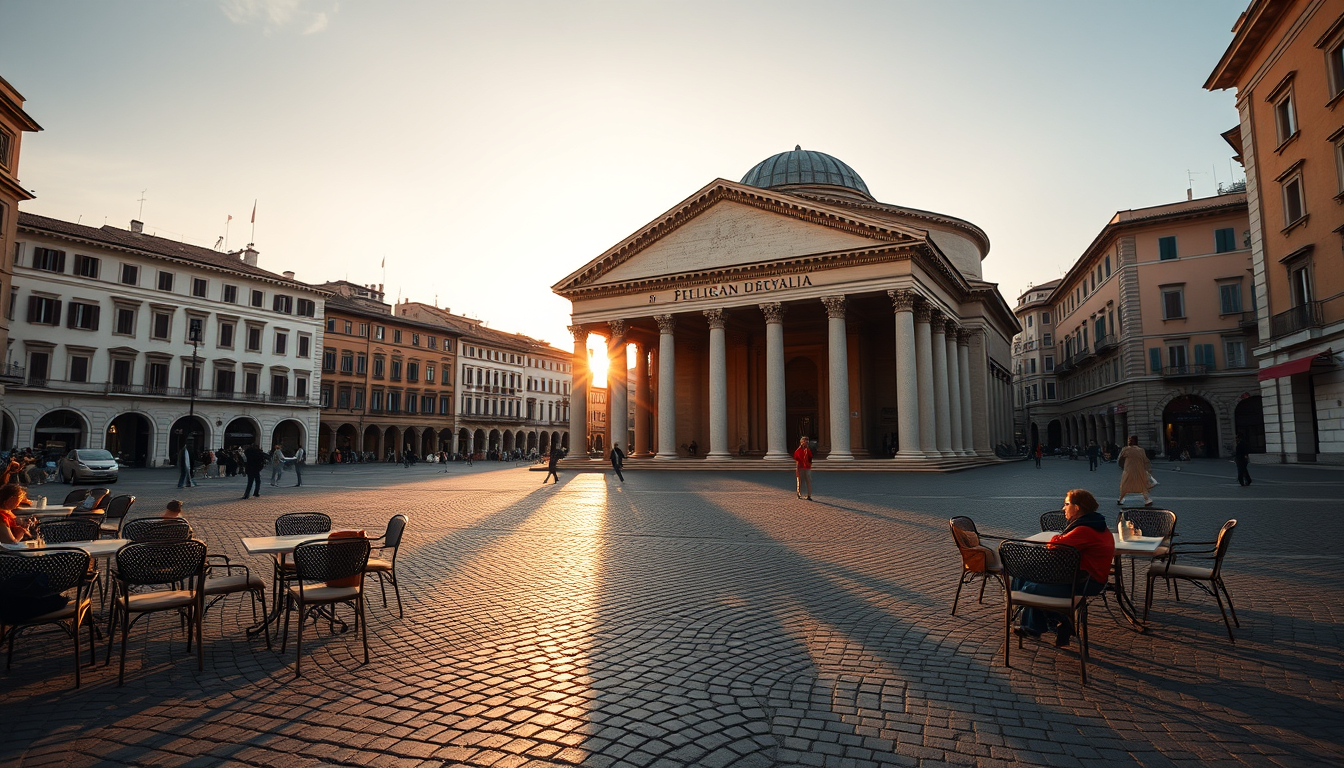
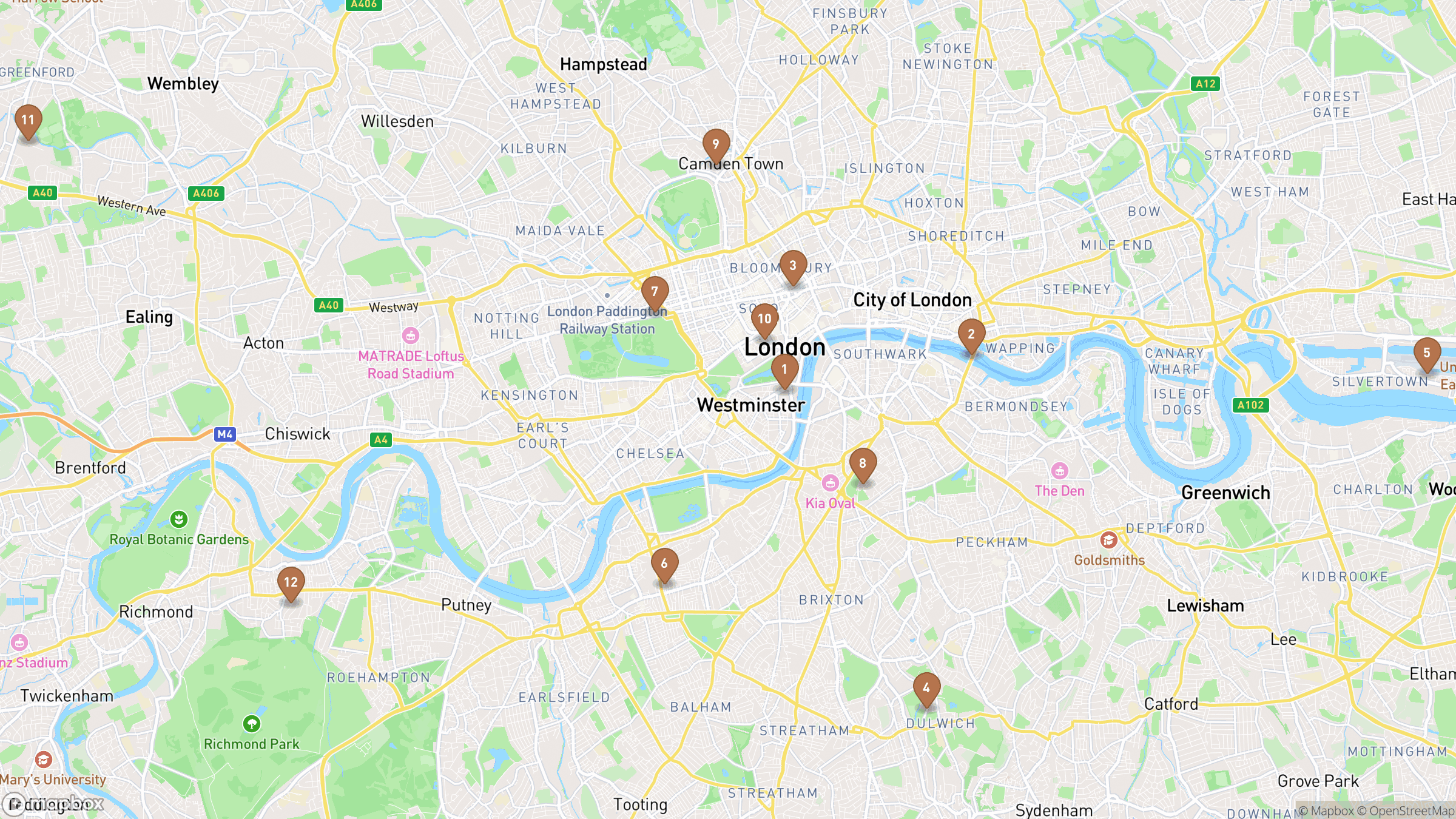
At-a-Glance
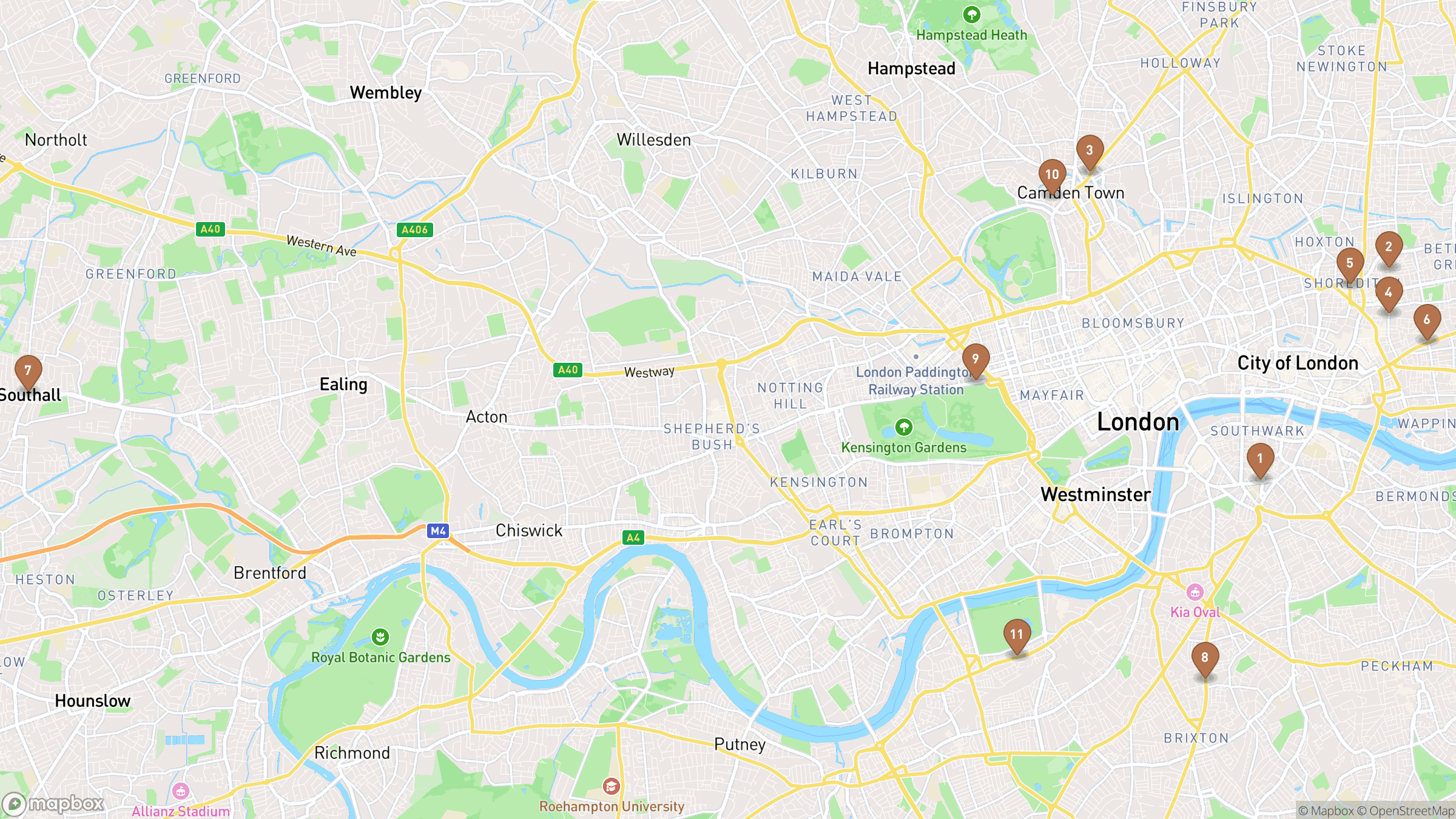
Westminster, the South Bank and riverside walking
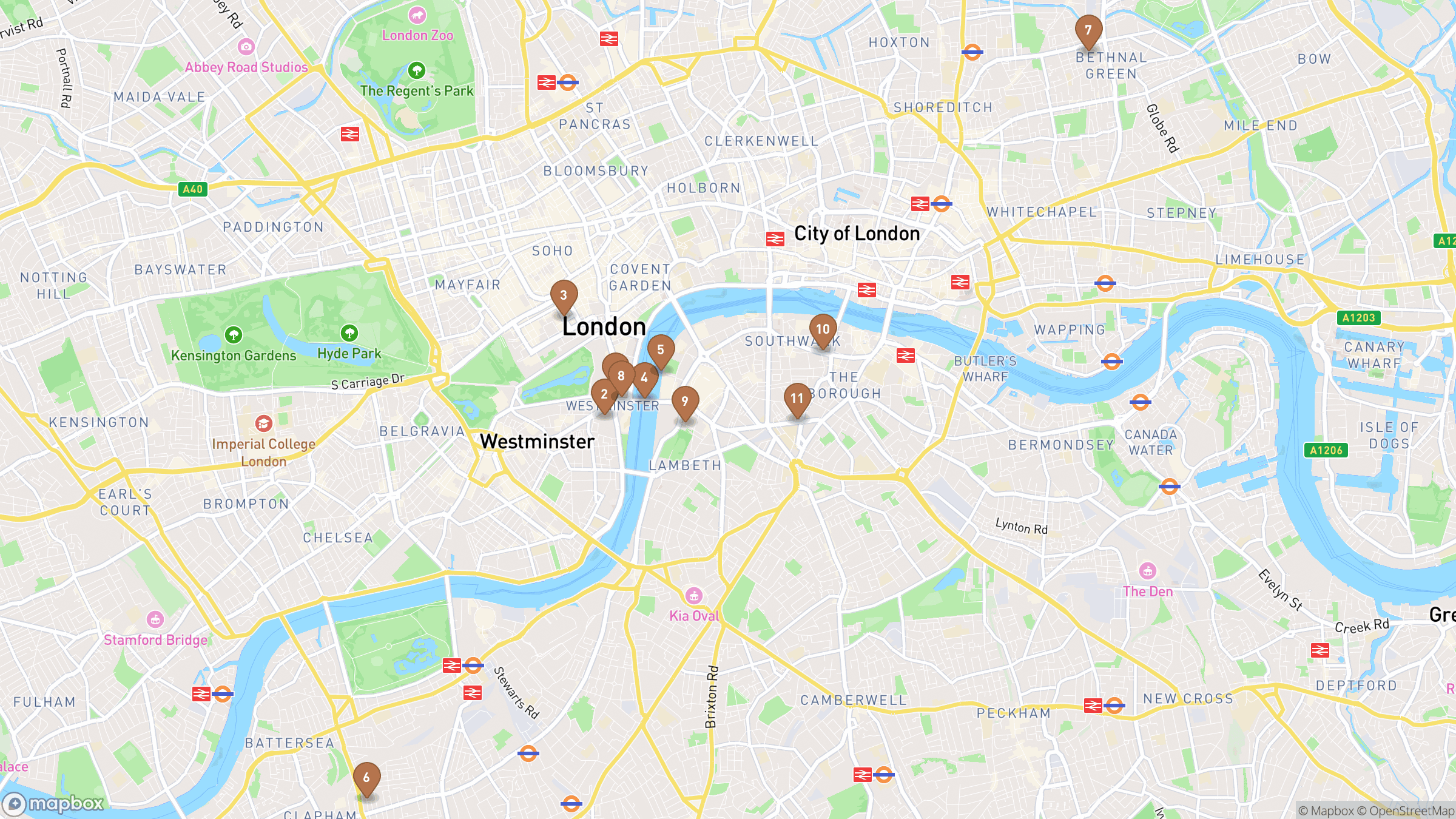
- Westminster Abbey
- St James's Park
- National Theatre
- Southbank Centre
- Borough Market
The City, St Paul's and slow museum time
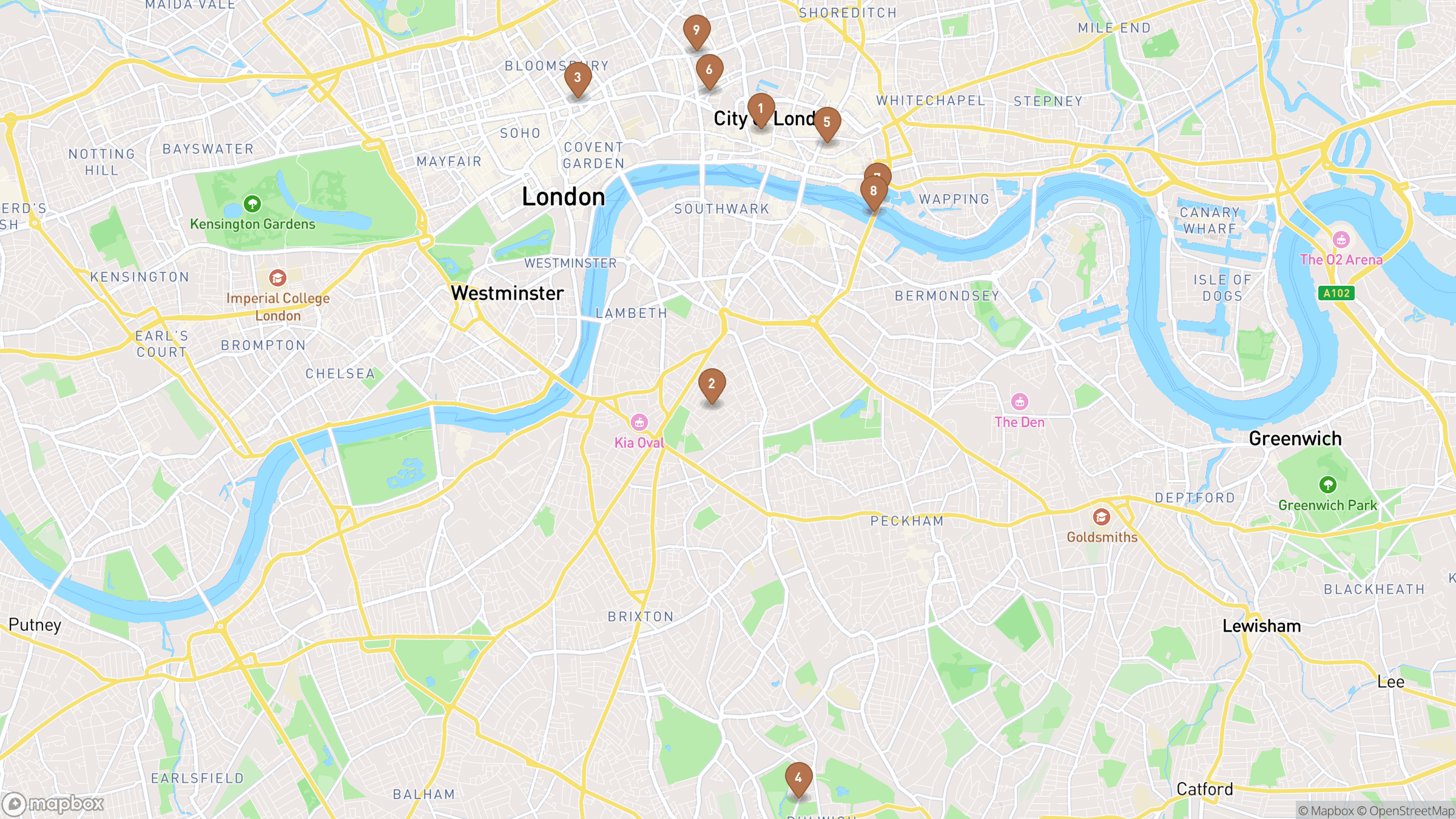
- St Paul's Cathedral
- Museum of London
- British Museum
- National Gallery
- Leadenhall Market
Greenwich—maritime history, parkland and a slower pace
- Royal Observatory
- Greenwich Park
- Old Royal Naval College
- Cutty Sark
- Greenwich Market
Markets, neighborhoods and multicultural London
- Borough Market
- Brick Lane
- Southall
- Brixton
- Hyde Park
London in 5 Days: A Slow-Travel Approach Beyond the Checklist
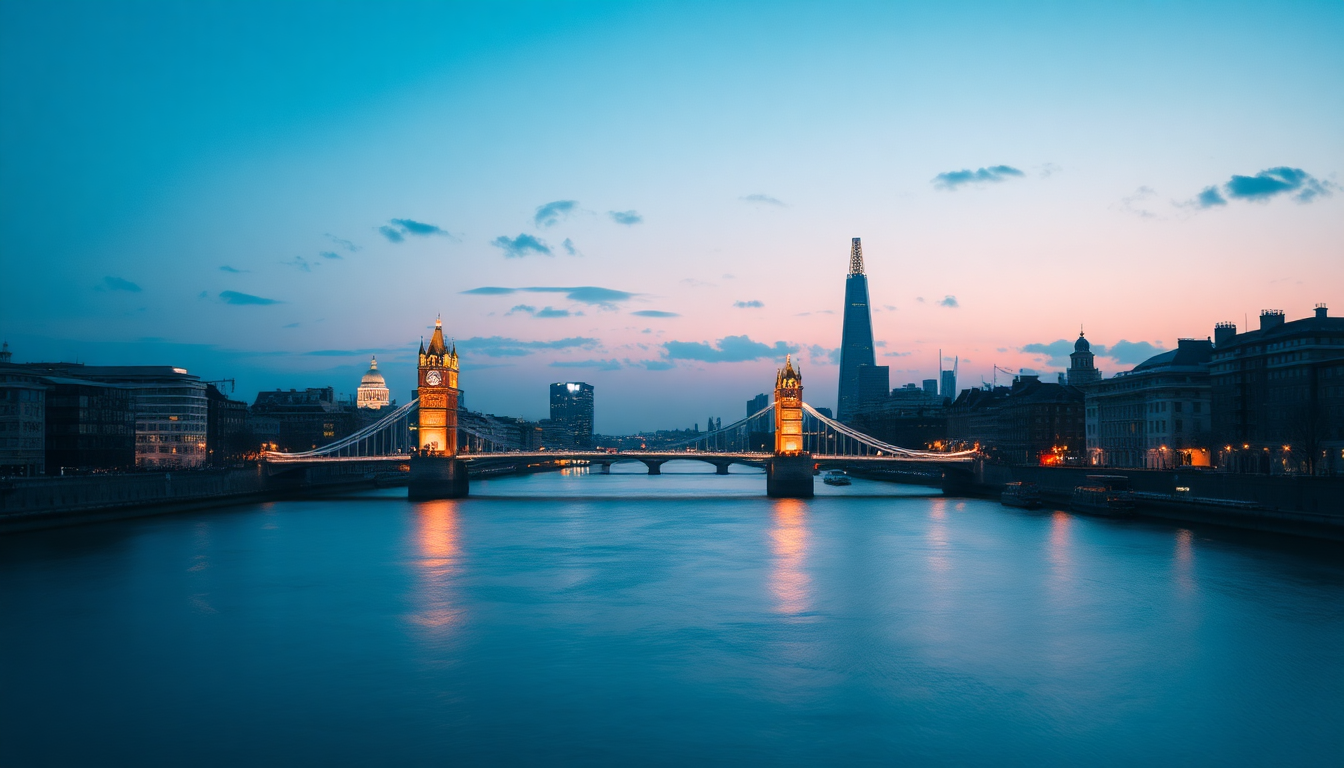
Five days in London can feel like either a blur of rushed queue-hopping or a deliberate immersion in a city where Roman walls sit beneath Georgian squares, which sit beneath postwar brutalism. This guide takes the latter approach, reimagining those five days not as a sprint through landmarks but as an invitation to slow down—walking between sights, lingering in free museums, discovering markets and neighborhoods, and sitting in a Borough Market bakery for an hour instead of grabbing a sandwich between Tube stops.
The goal is to return home with memories of conversations in cafes, unplanned discoveries in side streets and genuine engagement with the city’s communities, not just photo stops at Big Ben and the Tower Bridge. Though Big Ben is worth seeing once—go at dusk from the Westminster side to avoid the worst of the crowds—then move on.
London rewards the unhurried visitor. Its scale and density can overwhelm, but its walkable core, extensive free cultural institutions and network of public green spaces make it ideal for slow travel. This itinerary combines the iconic—Westminster, the South Bank, the City—with quieter neighborhoods, parks and markets that reveal layers often bypassed in checklist-driven tours. You will still see the sights that define London’s global image, but you will also find time to breathe, to observe, and to let the city unfold on its own terms.
Why slow travel works in London: fewer sights, deeper immersion
London’s sheer volume of attractions—palaces, museums, theatres, markets, parks—can tempt visitors into a relentless pace, ticking boxes from dawn until late evening. But the city’s real strengths emerge when you resist that urge.
Many of London’s major museums, including the British Museum, National Gallery and Tate Modern, offer free entry to their permanent collections, though special exhibitions may charge. This policy invites repeat visits and removes the pressure to “see it all” in a single afternoon.
Five days allow you to combine the iconic areas—Westminster, the City, the South Bank—with quieter discoveries in Greenwich, Bloomsbury or east London’s diverse neighborhoods. You can spend an entire morning in a single gallery, an afternoon walking a Thames-side path, and an evening in a local pub without feeling you’ve wasted precious time. Slow travel aligns naturally with what London offers: walkable routes between landmarks, public green spaces scattered across the city and the National Theatre’s riverside terraces, where you can sit for hours watching the light change on the Thames without being asked to buy anything.
London has eight Royal Parks—Hyde Park, Kensington Gardens, Regent’s Park, St James’s Park, Green Park, Richmond Park, Bushy Park and Greenwich Park—all free public green spaces open year-round. These parks punctuate the urban fabric, offering respite, vantage points and pathways that connect neighborhoods organically. A slow itinerary weaves parks into the daily rhythm, using them not as afterthoughts but as destinations in their own right.
The goal of this approach is qualitative rather than quantitative. You return home with memories anchored in place: the light streaming through a gallery window, the smell of a Borough Market bakery, a conversation with a bookseller along the South Bank. These moments depend on having margin in your schedule, on building days around walking routes and neighborhoods rather than a list of must-see ticks.
Getting around: contactless payment, walking routes and off-peak rhythms
One of London’s greatest practical assets for slow travel is its public transport system, which becomes even more straightforward when you understand how to move efficiently and affordably. Buses, the Tube, tram, Docklands Light Railway (DLR), London Overground and most Elizabeth line services all accept contactless payment cards and mobile payment for pay-as-you-go travel. This means you can simply tap your bank card or phone at the barriers and on buses, without needing to navigate ticket machines or calculate fares in advance.
Daily and weekly fare caps automatically limit how much you pay when using contactless or Oyster across London’s public transport network within zones. Once you hit the daily cap, additional journeys that day are effectively free. This system removes the anxiety of budgeting transport costs and rewards exploration—if you decide to make an extra trip to a neighborhood or market late in the day, the fare structure won’t penalize you.
But slow travel in London often means choosing to walk rather than defaulting to the Tube for every connection. Many central sights sit within comfortable walking distance: Westminster to the South Bank is a bridge crossing and a riverside stroll; the British Museum to King’s Cross or Covent Garden is a pleasant meander through Bloomsbury’s Georgian squares; St Paul’s Cathedral to the Thames and beyond connects the City’s financial towers with its medieval lanes. Walking above ground reveals street life, architecture, shopfronts and the rhythm of neighborhoods in ways the Tube bypasses entirely.
But slow travel in London often means choosing to walk rather than defaulting to the Tube for every connection.
These walking routes help structure leisurely days that combine landmarks with parks, markets and cafes along the way. The Jubilee Walkway, for example, traces a loop through central London that touches Westminster, the South Bank, the City and back, offering a framework you can follow or adapt as your interests dictate.
Travel outside weekday peak hours—typically after 9:30am and before 4pm—for cheaper fares on some services, less crowded carriages and a more relaxed pace that suits slow-travel goals. Peak-hour London can feel overwhelming, with packed trains and stations designed for commuters moving quickly. Off-peak travel transforms the experience: you find a seat, you have space to consult a map, and the city feels more welcoming. Weekends generally avoid the worst of the rush, though popular tourist areas remain busy.
Day 1–2: Westminster, the South Bank and riverside walking
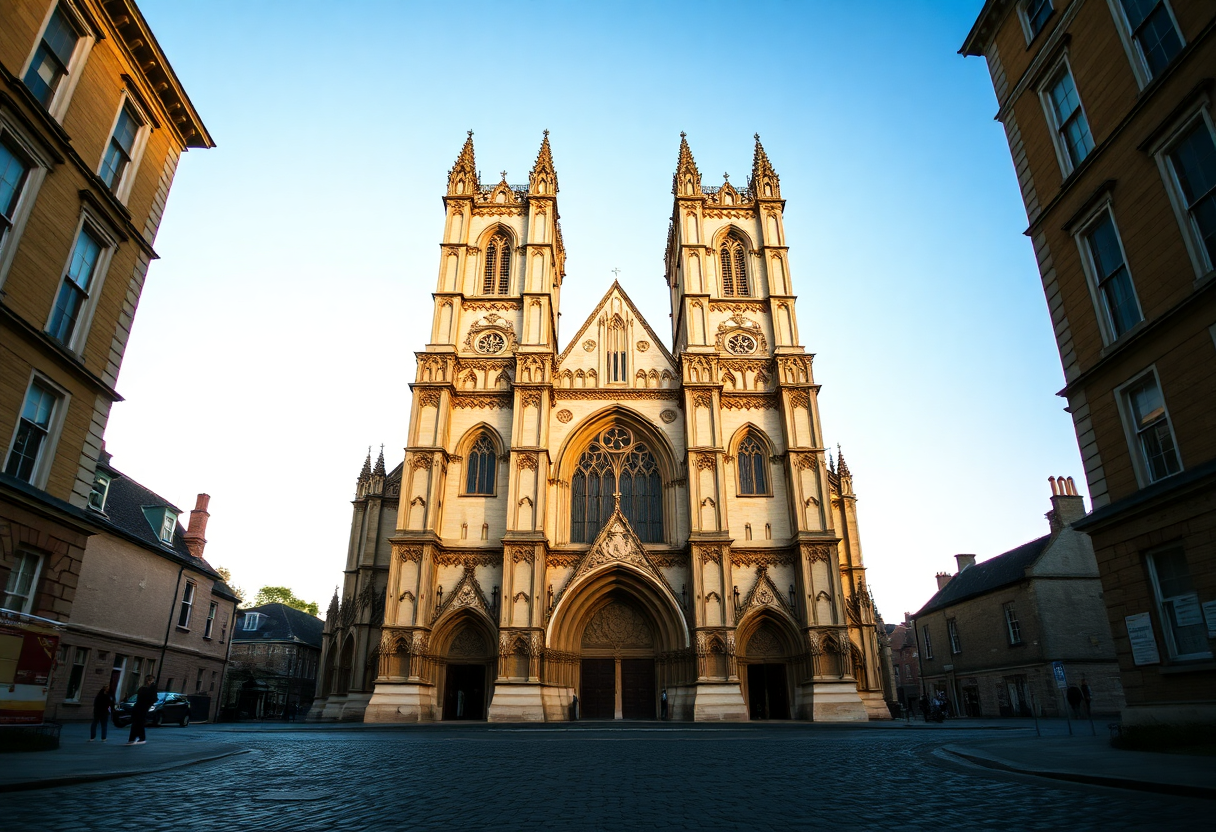
Westminster anchors most visitors’ mental image of London: the Houses of Parliament, Big Ben’s tower, Westminster Abbey’s Gothic facade. Start here, but resist the urge to tick every box on the first day. Westminster Abbey has been the traditional site of English and later British coronations since the crowning of William the Conqueror in 1066, and its interior holds centuries of royal and literary history. But one or two sights explored slowly beat half a dozen rushed, so choose what genuinely interests you and allow time to walk the streets, observe daily life and sit in St James’s Park, one of London’s most elegant green spaces.
St James’s Park stretches from Westminster toward the royal residences, its lake and pelicans offering a calm counterpoint to the surrounding formality. Walk through the park rather than around it; notice the willows, the flower beds, the ducks. This is where slow travel begins to differ from checklist tourism: you’re not filling time, you’re experiencing place.
Cross Westminster Bridge or walk eastward along the South Bank from the London Eye, taking in the cultural institutions and riverside activity without rushing between them. The National Theatre on London’s South Bank offers a public programme that includes theatre productions, tours and exhibitions, reinforcing the South Bank’s role as a major cultural district along the River Thames. Even if you don’t attend a performance, the building’s terraces and brutalist architecture invite exploration, and the Southbank Centre nearby hosts free exhibitions, music and a secondhand book market under Waterloo Bridge.
The South Bank’s post-war development, including the Royal Festival Hall and later arts venues, grew out of the 1951 Festival of Britain, intended to promote a sense of recovery and modernity after the Second World War. That mid-century optimism still shapes the area’s public-spirited character: open terraces, accessible culture, spaces designed for gathering rather than just transit. Year-round programmes of free events, riverside benches, bookstalls and street performers make the South Bank perfect for a slow afternoon that combines culture with people-watching.
As you walk, the Thames itself becomes a presence. The tide rises and falls dramatically, exposing muddy banks or lapping at stone embankments. Stand on Westminster Bridge at sunset: medieval Westminster Abbey on your left, the glass-and-steel South Bank Centre on your right—two centuries of architectural choice in one frame.
Take your time. Stop for coffee. Sketch or photograph the skyline. Let the first two days establish a rhythm that prioritizes experience over coverage.
Avoid the curry row under the railway arches; instead head to the quieter pubs east of Southwark Cathedral, like The Wheatsheaf on Stoney Street. Borough Market, one of London’s oldest food markets, operates on specific days—check schedules—but its surrounding streets hold bakeries, wine bars and gastropubs that serve Londoners as well as visitors. The area around Southwark Cathedral, with its medieval bones and modern surroundings, offers a compressed history lesson and a quieter alternative to the busier stretches closer to the London Eye.
Day 3: The City, St Paul’s and slow museum time
Walk Cheapside: a 17th-century street plan lined with 1980s office towers; every corner jars you into noticing the collision. The City of London Corporation notes that the Square Mile contains a mix of historic sites like St Paul’s Cathedral and the Museum of London alongside contemporary architecture, financial institutions and riverside walks. Rather than moving point-to-point by Tube, walk its lanes and alleyways: discover Roman wall fragments, Wren’s churches tucked between glass towers, and courtyards that reveal hidden gardens or historic livery halls.
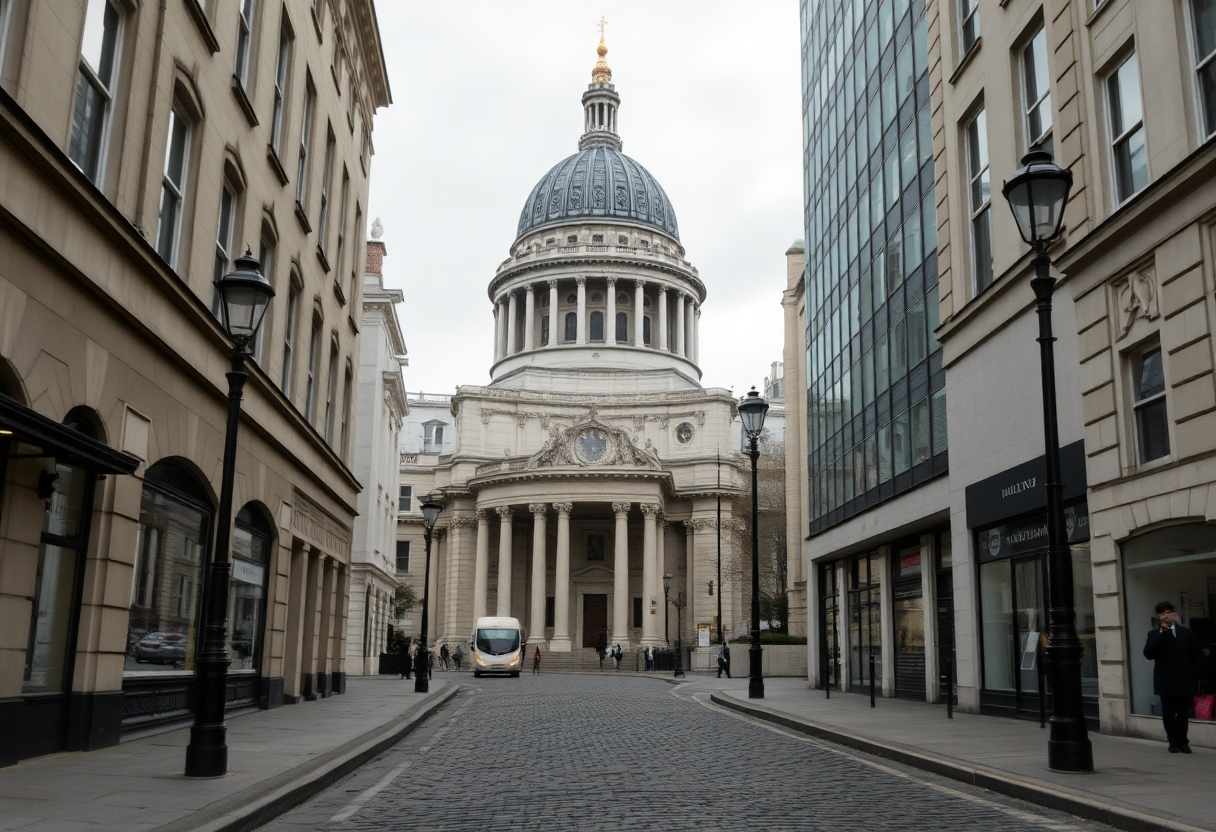
The area now known as London began as the Roman settlement of Londinium around the mid-1st century CE, developing as an important commercial centre on the Thames. Look down at the pavement near the Museum of London; glass panels expose Roman floor mosaics and walls still in situ.
The City’s medieval structure persists too, in the narrow lanes off main thoroughfares and in the parishes that once defined neighborhood identity. Walking slowly lets you notice these layers, to read the plaques, to pause where old and new collide.
St Paul’s Cathedral dominates the City’s skyline, its dome a constant reference point. Christopher Wren’s baroque masterpiece replaced the medieval cathedral destroyed in the Great Fire of 1666, and its interior combines grandeur with surprising intimacy in the side chapels and crypt. If you visit, take your time. Climb to the Whispering Gallery or the exterior galleries for views over the City and beyond, then descend to find monuments to Nelson, Wellington and other figures woven into Britain’s imperial history.
But Day 3 is also an opportunity to dedicate serious time to a single major museum rather than trying to cover multiple institutions in a blur. The British Museum, National Gallery, Victoria and Albert Museum—all offer free entry to permanent collections and all hold more than a visitor can absorb in one visit. Choose one, arrive when it opens to avoid crowds, and spend a morning or afternoon with a deliberate subset of rooms.
Sit with a few galleries, read the labels, sketch or journal, and treat the experience as contemplation rather than completion.
Skip the rest of the museum when you hit a wall. The free entry means you can come back Tuesday and hit the galleries you missed—no guilt, no sunk cost. This removes the economic pressure to extract maximum value from a single visit and aligns the museum experience with slow-travel principles: quality of engagement over quantity of objects seen. If the British Museum’s Egyptian galleries fascinate you, spend two hours there and ignore the rest. If the National Gallery’s Renaissance rooms draw you in, linger until the paintings feel familiar rather than rushing to the next wing.
The City’s riverside paths and historic markets—such as Leadenhall Market with its Victorian ironwork or Smithfield’s meat market still operating at dawn—add texture to a day that might otherwise feel corporate or tourist-heavy. Walk eastward along the Thames Path toward Tower Bridge if energy and time allow, or north through Clerkenwell’s craft breweries and design studios. The City is compact enough to walk end-to-end in under an hour, but its density rewards a full day of meandering.
Day 4: Greenwich—maritime history, parkland and a slower pace
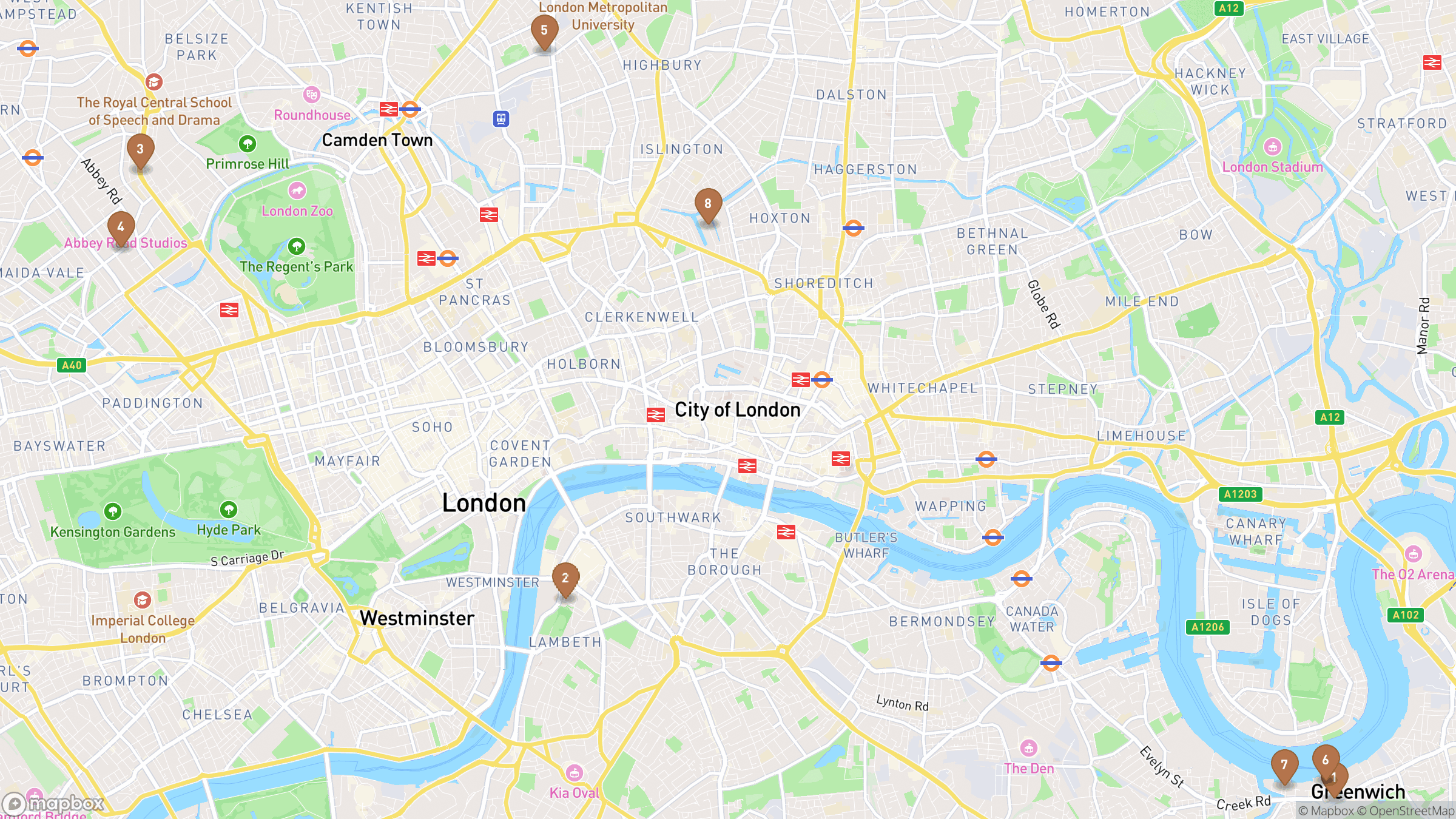
Greenwich sits within London but feels distinct, both geographically and in atmosphere. Reached by river boat (scenic), DLR (efficient) or train, it offers a half-day or full-day outing that reinforces slow-travel principles through green space, historic architecture and a riverside neighborhood that retains village character despite proximity to central London. Plan a full day to explore the UNESCO World Heritage Site without feeling rushed to return to busier zones.
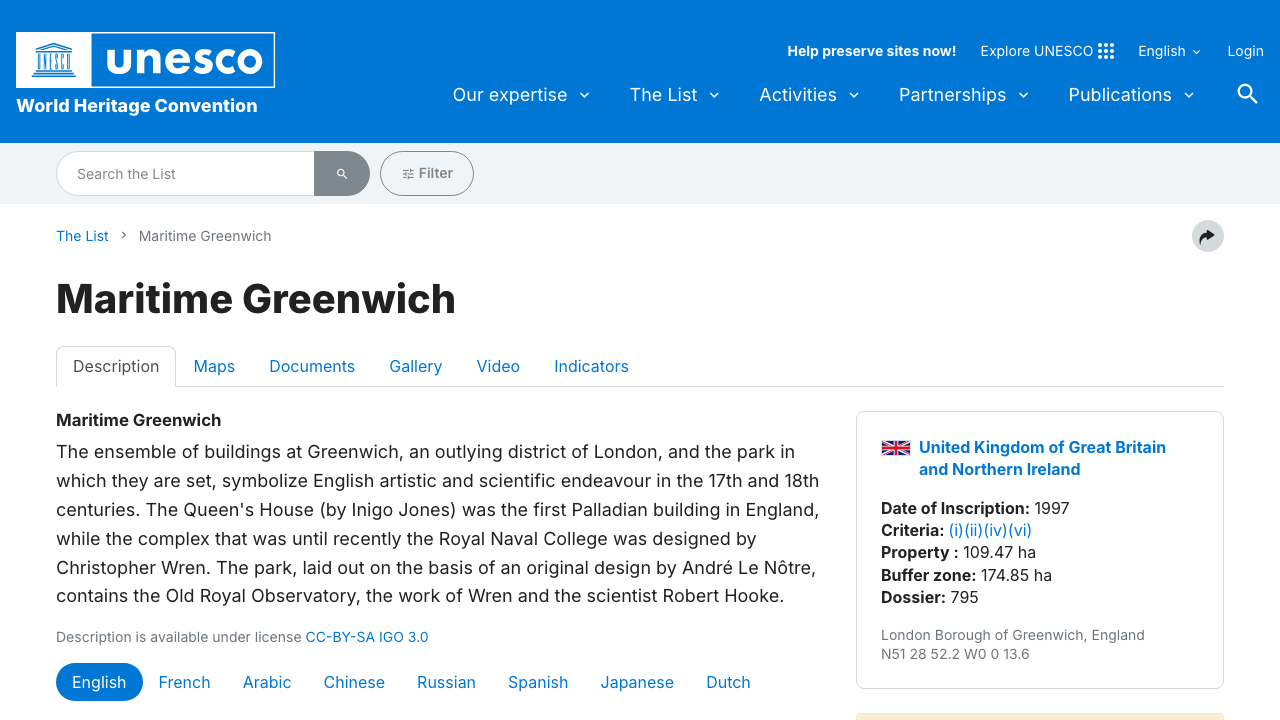
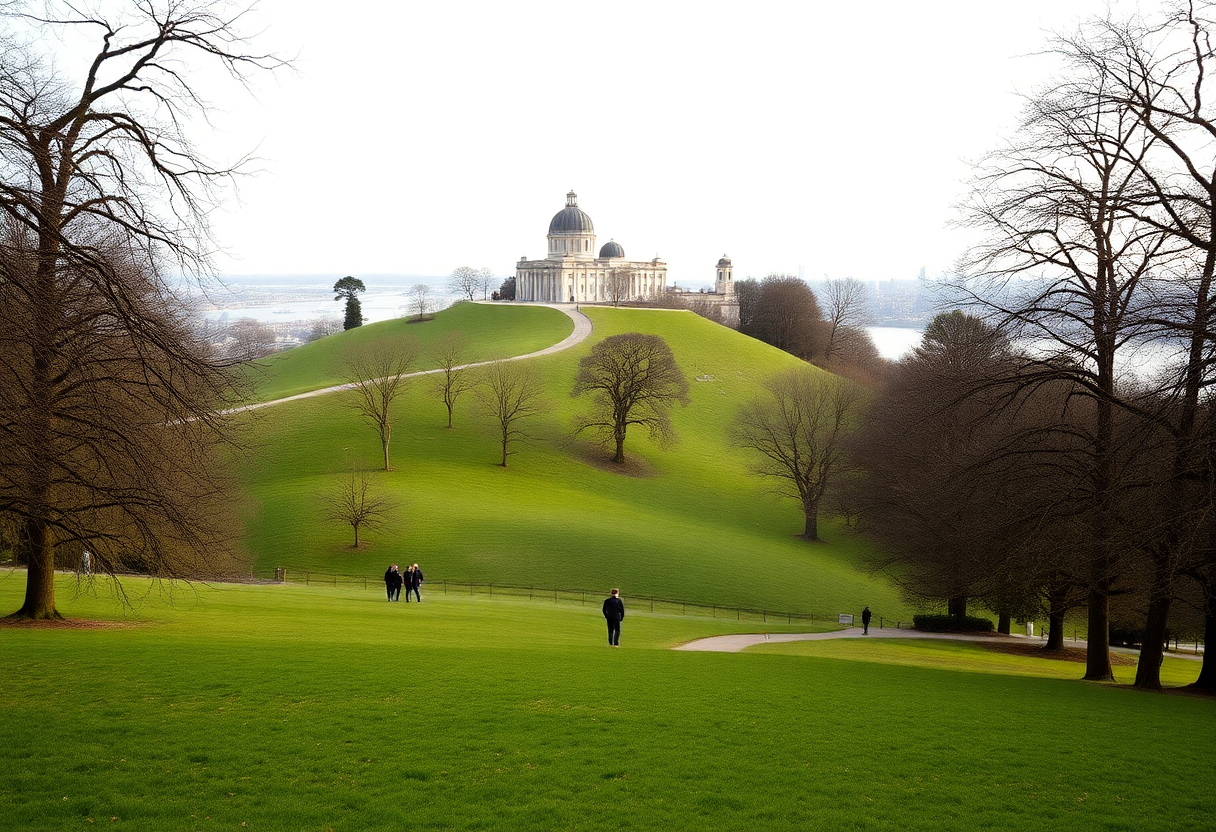
Maritime Greenwich is inscribed as a UNESCO World Heritage Site for its ensemble of historic buildings and landscape linked to Britain’s maritime history, including the Royal Observatory, Queen’s House and Old Royal Naval College. These institutions cluster within Greenwich Park, a hilly green expanse offering views over the Thames toward Canary Wharf’s skyscrapers and the City’s distant towers. The park itself, one of London’s eight Royal Parks, invites walking, picnicking and simply sitting on the slope to watch the light change over the river.
The Royal Observatory at Greenwich was founded in 1675 to improve navigation at sea and later became the location of the Prime Meridian of the world, from which Greenwich Mean Time is measured. Standing astride the meridian line—one foot in the eastern hemisphere, one in the western—feels playful but also anchors you in the global systems of measurement and navigation that shaped Britain’s maritime empire. The Observatory’s museum and planetarium add depth to that history, linking astronomy, timekeeping and oceanic exploration.
Below the hill, the Queen’s House and Old Royal Naval College present Palladian and baroque architecture on a grand scale, their colonnades and painted halls open to visitors. The Painted Hall in the Old Royal Naval College, with its ceiling frescoes celebrating British naval power, took nearly two decades to complete in the early 18th century and now serves as a cultural venue as well as a historic monument. Guided tours and talks provide context, but simply walking the courtyards and riverside promenades offers visual pleasure and a sense of scale different from central London’s compressed streets.
Greenwich Market and the riverside pubs offer lunch and browsing opportunities that feel local rather than touristy. The market, sheltered in a Victorian covered hall, holds food stalls, crafts and vintage goods; weekends bring larger crowds, but weekday visits allow quieter exploration. The Cutty Sark, a 19th-century tea clipper preserved in dry dock near the river, provides a tangible link to Britain’s maritime past and merchant shipping era. Its gilded prow and towering masts dominate the waterfront, a physical reminder that Greenwich’s heritage is built on commerce and exploration as much as science and monarchy.
Use Greenwich as a counterpoint to the density of central London: more sky, more green space, a different rhythm that reinforces the slow-travel ethos. If you arrive by river boat, the journey itself—passing the Thames Barrier, Canary Wharf, the Tower—becomes part of the day’s experience. If you travel by DLR, the elevated route through the Docklands offers a different perspective on London’s post-industrial transformation. Either way, Greenwich rewards a full day, and the return journey at dusk, watching the city light up, closes the day with a sense of having traveled further than the map suggests.
Day 5: Markets, neighborhoods and multicultural London
Reserve the final day for neighborhood exploration and market visits, letting the rhythm shift from iconic sights to lived communities. London’s markets operate on specific days—Borough Market’s main trading days, Columbia Road Flower Market on Sunday mornings, Camden’s year-round alternative culture scene—so check schedules and plan accordingly. Each market offers different textures: food, flowers, crafts, vintage clothing, street art.
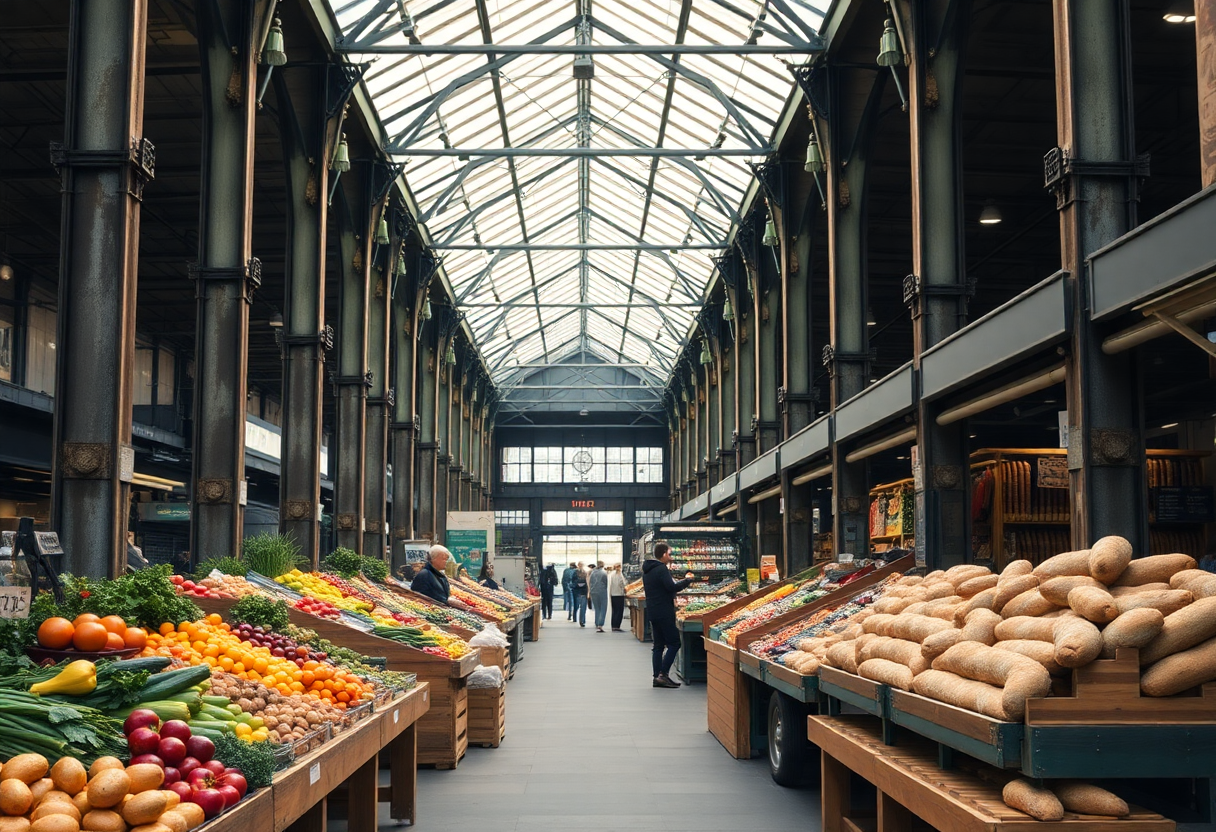
These are not just tourist attractions but working markets serving local residents, which gives them authenticity and a sense of purpose beyond the transactional. Vendors know their products, conversations happen, and the market becomes a social space as well as a commercial one.
But London’s multiculturalism reveals itself most clearly outside the markets, in neighborhoods shaped by waves of immigration and long-standing communities. London is highly multicultural, with more than 300 languages spoken, and exploring different neighborhoods—such as Southall, Brick Lane, Chinatown or Brixton—exposes visitors to diverse food, culture and communities. These areas offer authentic experiences beyond central tourist zones, where the city’s global character is lived rather than performed.
Skip the touristy curry row under the rail bridge—locals eat at restaurants on the side streets. The sari shops on Fashion Street still dress the neighborhood; window-shop at ground level. Brick Lane, in east London, centers on the Bangladeshi and wider South Asian communities that have shaped the area since the 1970s. Sunday mornings bring crowds, but weekday afternoons allow quieter exploration. Walk north into Shoreditch for contemporary art galleries and cafes, or south toward Whitechapel Gallery and its exhibitions of modern and contemporary art.
Southall, in west London, holds one of Britain’s largest Punjabi communities, with markets, temples and shops that feel more like Punjab than England. Brixton’s Afro-Caribbean heritage shapes its markets—covered arcades of Caribbean groceries, African textiles, reggae record shops—and its nightlife, though recent gentrification has brought tensions between long-time residents and newer arrivals. Chinatown, compact and centered on Gerrard Street near Leicester Square, offers dim sum, bakeries and the density of a neighborhood squeezed into a few blocks.
You wander into a fabric shop in Southall, chat with the owner, and end up at the temple next door during evening prayers—none of it planned, all of it memorable. Walking these areas without a fixed agenda lets you respond to what you find: a bakery’s unfamiliar pastries, a bookshop specializing in a language or region, a conversation with a vendor who recommends a dish or a shop.
End with a park visit if the weather allows: Hyde Park’s Serpentine lake and Speaker’s Corner, Regent’s Park’s rose gardens and open-air theatre, or a return to Greenwich Park for a final riverside view. Alternatively, a last riverside walk—Battersea Park to Chelsea, or Tower Bridge east toward Wapping—provides reflection time, a chance to process the week and notice how your understanding of London has deepened. These closing hours confirm that slow travel’s rewards are as much internal as external: a shift in pace, an openness to chance, a memory shaped by experience rather than checklist.
Practical tips: booking windows, crowd avoidance and cultural etiquette
Book timed-entry tickets ahead for special exhibitions and royal palaces. Permanent collections stay free and first-come. This applies to special exhibitions at the major museums, certain royal palaces and other high-demand sites. However, the permanent collections at the British Museum, National Gallery, Tate Modern and many other institutions remain free and generally do not require advance booking, allowing spontaneity within the framework of a slow itinerary.
Balance advance planning with white space in your schedule. Book one or two key experiences—a theatre show, a special exhibition, perhaps a guided tour—but leave at least half of each day open for spontaneous walks, market discoveries and the inevitable detours that make slow travel rewarding. Over-scheduling defeats the purpose; under-scheduling risks aimlessness. The ideal sits between: enough structure to ensure you see what matters most to you, enough flexibility to follow what you discover.
Visit popular museums early or late in the day for quieter galleries. The British Museum or National Gallery at opening time, before tour groups arrive, offers a different experience from midday crowds. Late openings—some museums extend hours one or two evenings per week—can also provide calmer visits, though not all galleries may be open. Use weekday mornings for markets or neighborhoods that fill with weekend crowds, and save weekends for parks or areas less affected by the tourist/local divide.
Standard big-city precautions apply. Keep valuables out of sight, watch for pickpockets in crowded tourist areas, and use only licensed taxis or registered minicabs. London is generally safe and welcoming for international visitors, but crowded Tube platforms, busy markets and tourist hotspots do attract opportunistic theft. Keep bags zipped, phones secure and awareness up, especially in the evening or in unfamiliar areas.
Respect local norms and slow travel thrives on positive human exchange. Queue patiently—the British take queuing seriously, and jumping the line causes genuine offense. Stand on the right on Tube escalators, allowing those in a hurry to pass on the left.
Ask a Borough Market pastry vendor where they source their fruit, and they’ll tell you about the Kent orchards they drive to weekly—suddenly the croissant tastes different. Londoners are often more reserved than southern Europeans or Americans in public, but genuine curiosity and respect are universally welcomed.
Ask a Borough Market pastry vendor where they source their fruit, and they’ll tell you about the Kent orchards they drive to weekly—suddenly the croissant tastes different.
Tipping practices in London follow UK norms: 10-15% in restaurants if service is not included, rounding up in pubs or cafes, small tips for taxi drivers or tour guides if the service merits it. Check bills for service charges before adding a tip to avoid double payment. Many card terminals now prompt for tips, but these are optional; use your judgment based on service quality rather than feeling pressured by the technology.
If you’re planning to extend your London stay with a day trip to places outside the city, you can compare tour options here, though the slow-travel approach would suggest that London itself offers more than most visitors can absorb in five days, and day trips risk diluting the immersive experience you’ve been building.
Beyond the five days: building a long-stay mindset
This five-day framework extends naturally into a week, two weeks or a month by deepening engagement with fewer neighborhoods rather than adding more sights. Slow travel scales up gracefully: instead of ticking off the remaining monuments, you return to a favorite museum to explore a different wing, revisit a market on a different day to see how it changes, or spend a full day in a single neighborhood like Hampstead, Dulwich or Richmond that barely registered on the initial itinerary.
Long-stay travelers develop routines—a preferred cafe for morning coffee, a particular park bench, a bookshop or gallery that becomes a reference point. These routines anchor you in place in ways short visits cannot, transforming London from a destination to be conquered into a city to be inhabited, even temporarily. The distinction matters: tourists consume sights; residents (even temporary ones) live among them.
Skip the day trips. Five days in London is five days in London—Stonehenge will still be there in a year, and depth beats coverage every time.
Bring a small notebook. Sketch the pelicans in St James’s Park or write down a vendor’s recipe tip. These sketches and notes will stick with you longer than the 200 photos on your phone. Slow travel generates different souvenirs, internal and external, that resist the commodification of travel memory.
Returning to London becomes easier when you’ve experienced it slowly the first time, knowing which neighborhoods and routines you want to revisit or explore more deeply. You arrive not as a first-time tourist but as someone returning to a place with history, however brief. That shift in relationship—from stranger to returner—changes how you move through the city and what you notice. The familiar becomes a lens for seeing the new, and the cycle of deepening engagement continues.
Ultimately, this five-day approach to London is not prescriptive but suggestive. The specific neighborhoods, museums and markets matter less than the underlying principles: walk when possible, prioritize free or low-cost cultural experiences, allow time for parks and unplanned discoveries, engage with local communities, and resist the pressure to maximize sightseeing at the expense of actual experience.
London doesn’t give itself up easily. The more slowly you move, the more it shows you. Five days traveled at this pace yield more understanding and more genuine memory than ten days rushed. The city rewards those who pause as much as those who move, and this itinerary builds that pause into the structure of each day, transforming a short stay into a foundation for longer engagement with one of the world’s great urban places.
To explore more about what London offers and begin planning your visit, start here.
London’s historic layers are recognized globally, with four UNESCO World Heritage Sites within the city: the Tower of London, Maritime Greenwich, the Palace of Westminster and Westminster Abbey, and Kew Gardens. These sites represent centuries of architectural, political and scientific achievement, but visiting them slowly—spending half a day in Greenwich’s maritime museums or an hour in the Tower’s lesser-known chapels—reveals details that rushed tours miss entirely.
For practical planning, Visit London offers current information on opening hours, temporary exhibitions and seasonal events that can shape your itinerary around what’s happening during your specific dates. Meanwhile, resources like Wikivoyage provide neighborhood-level context that helps you understand how areas connect—knowledge that transforms a five-day visit from a series of disconnected stops into a coherent exploration of an evolving city.
Ultimately, slow travel in London means accepting that you cannot see everything, and finding freedom in that limitation. The city will still be here, layers accumulating, neighborhoods shifting, museums rotating exhibitions. What you take home are not exhaustive checklists but moments of genuine connection—a conversation with a market vendor in Borough, the particular light on the Thames at Rotherhithe, the quiet corners of the British Museum where you sat alone with objects that have survived millennia. That is the London worth returning to.