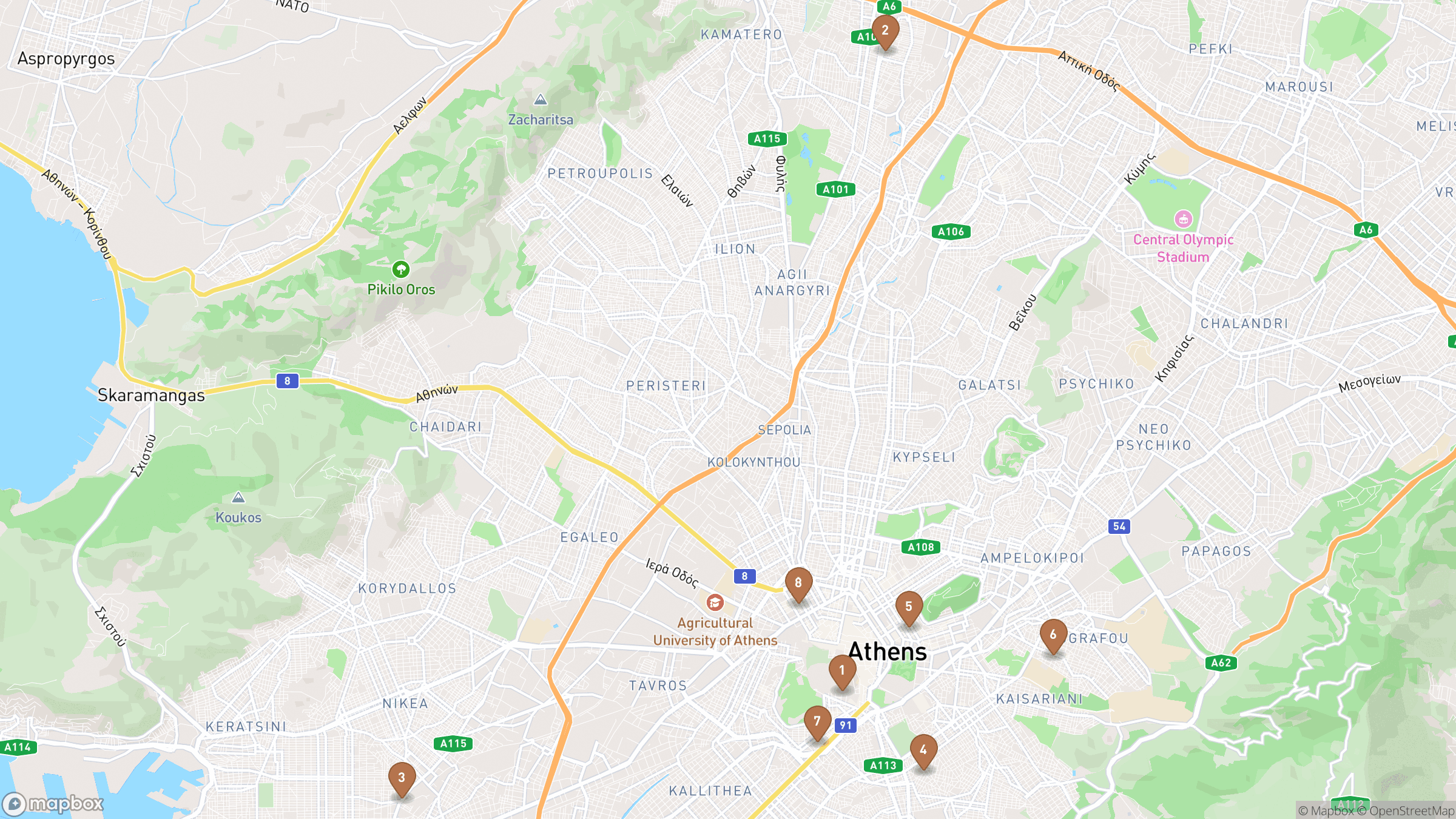
At-a-Glance
The Acropolis and Plaka's Historic Heart
- Acropolis
- Parthenon
- Erechtheion
- Temple of Athena Nike
- Anafiotika
- Plaka
- Acropolis Museum
Ancient Agora, Monastiraki and the Democratic Legacy
- Ancient Agora
- Temple of Hephaistos
- Stoa of Attalos
- Monastiraki
- Hadrian's Library
National Archaeological Museum and Roman Athens
- National Archaeological Museum
- Temple of Olympian Zeus
- Hadrian's Arch
- Panathenaic Stadium
Gazi's Industrial Heritage and Lycabettus Views
- Technopolis
- Gazi district
- Lycabettus Hill
- Chapel of St. George
Athens in 4 Days: Ancient Ruins Meet Modern Neighborhoods
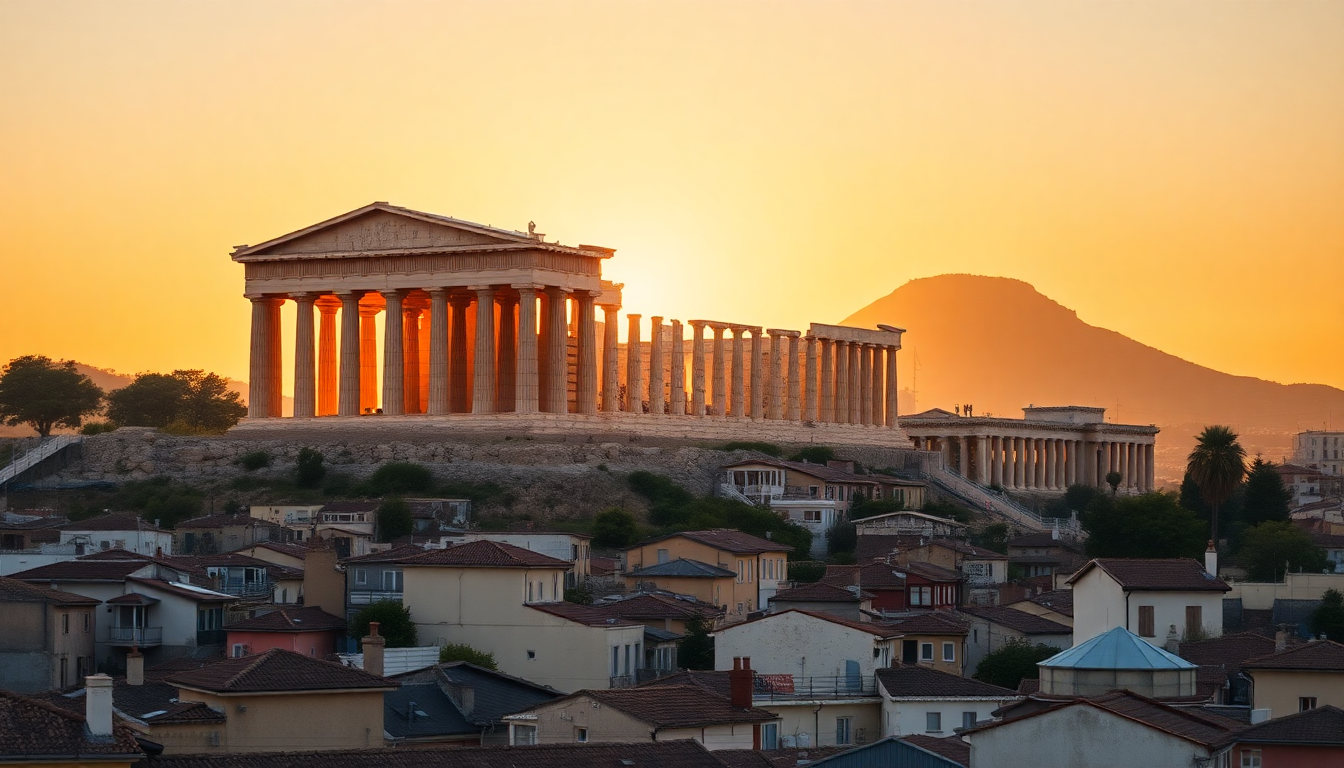
Four days in Athens offers the perfect balance between exploring UNESCO-listed ancient monuments and experiencing the city’s thriving contemporary culture. Where a 5th-century temple sits across from a street-art mural, where the Ancient Agora’s empty ground now adjoins Monastiraki’s Sunday flea market, vendors selling antiques a few blocks from where Athenians once debated law. Beyond the marquee archaeological sites, the city reveals itself as a living metropolis where neoclassical architecture meets street art, where sunset views from pine-covered hills illuminate both Doric columns and apartment blocks.
The timeline is deliberate: enough hours to absorb the scale of the Acropolis and the depth of the National Archaeological Museum, yet sufficient breathing room to wander Plaka’s lanes without a checklist, to linger over coffee in Monastiraki, and to discover the post-industrial creativity of Gazi.
Athens rewards the four-day visitor who resists the temptation to sprint through monuments and instead takes time to see how history shapes contemporary Greek life.
Day One: The Acropolis and Plaka’s Historic Heart
Begin your Athens journey at the city’s most recognizable landmark: the Acropolis, an ancient citadel perched on a rocky outcrop above the modern metropolis. This UNESCO World Heritage Site contains several classical buildings from the 5th century BCE, including the Parthenon, Propylaia, Erechtheion, and Temple of Athena Nike. Arriving early—ideally within the first hour of opening—helps you avoid the midday heat and the largest tour groups, allowing a more measured encounter with structures that have defined Western architecture for millennia. Given high demand during peak season, consulting Acropolis advance booking information helps secure timed access and avoid extended queues at the ticket office.
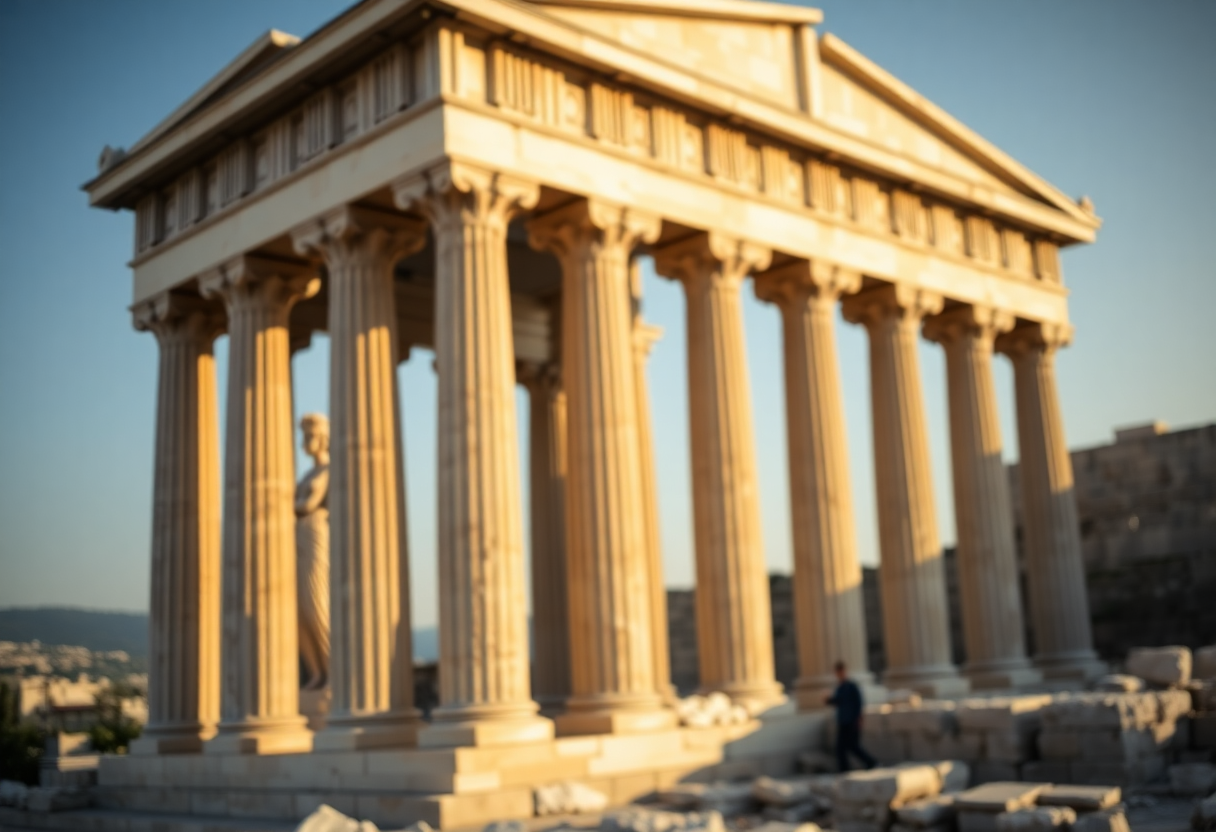
The Parthenon dominates the summit, its Doric columns and carved metopes still commanding despite centuries of damage and removal. Walking the perimeter reveals how the builders compensated for optical illusions through subtle curves and column spacing. The Erechtheion, with its famous Caryatid porch, stands to the north, its asymmetrical plan reflecting the uneven bedrock and multiple cult functions. The smaller Temple of Athena Nike guards the approach, its Ionic order and friezes depicting mythological battles a counterpoint to the Parthenon’s grander scale.
After descending from the rock, detour through Anafiotika, a pocket of whitewashed houses clinging to the northern slopes. Built by craftsmen from the Cycladic island of Anafi in the 19th century, these structures evoke island villages transported into the urban fabric. The narrow lanes and bougainvillea-draped walls offer quiet contrast to the monumental stone above.
From Anafiotika, the path leads naturally into Plaka, Athens’ oldest neighborhood. Situated on the slopes of the Acropolis, Plaka is known for its neoclassical architecture, narrow streets, and proximity to major monuments. Adrianou Street retains neoclassical facades from the 1834 rebuild; residents live in the upper floors while ground-floor tavernas and tourist shops occupy the street level. The neoclassical facades reflect the city’s 1834 proclamation as capital of the newly formed Greek state, when extensive urban planning and construction reshaped Athens around its ancient core.
Dedicate the afternoon to the Acropolis Museum, a modern archaeological institution housing artifacts from the citadel and its surrounding slopes. The transparent floor revealing excavation beneath is visually striking, though the white plaster casts marking pieces in foreign museums can feel melancholic. The building’s galleries ascend chronologically from archaic sculptures to the Parthenon’s original friezes and pediment figures. The top-floor Parthenon Gallery replicates the temple’s dimensions and orientation, displaying the surviving marble sculptures in their original sequence.
End the day with dinner in one of Plaka’s traditional tavernas, where menus lean toward grilled meats, moussaka, and slow-cooked stews. Remember that Plaka is a residential neighborhood despite its tourist traffic; local authorities emphasize respecting residents by keeping noise down at night and not blocking the narrow lanes or doorways. The district’s charm lies precisely in its dual identity—a place where ancient stones meet lived experience.
Day Two: Ancient Agora, Monastiraki and the Democratic Legacy
The Ancient Agora served as the heart of Athenian democracy, hosting assemblies, law courts, and everyday commercial life from the 6th through 4th centuries BCE. Located northwest of the Acropolis, this sprawling site was the center of political, commercial, administrative, and social activity in ancient Athens. Walking its paths today requires imagination to populate the empty spaces with stoas, altars, statues, and the thousands of citizens who gathered here to debate laws, settle disputes, and conduct trade.
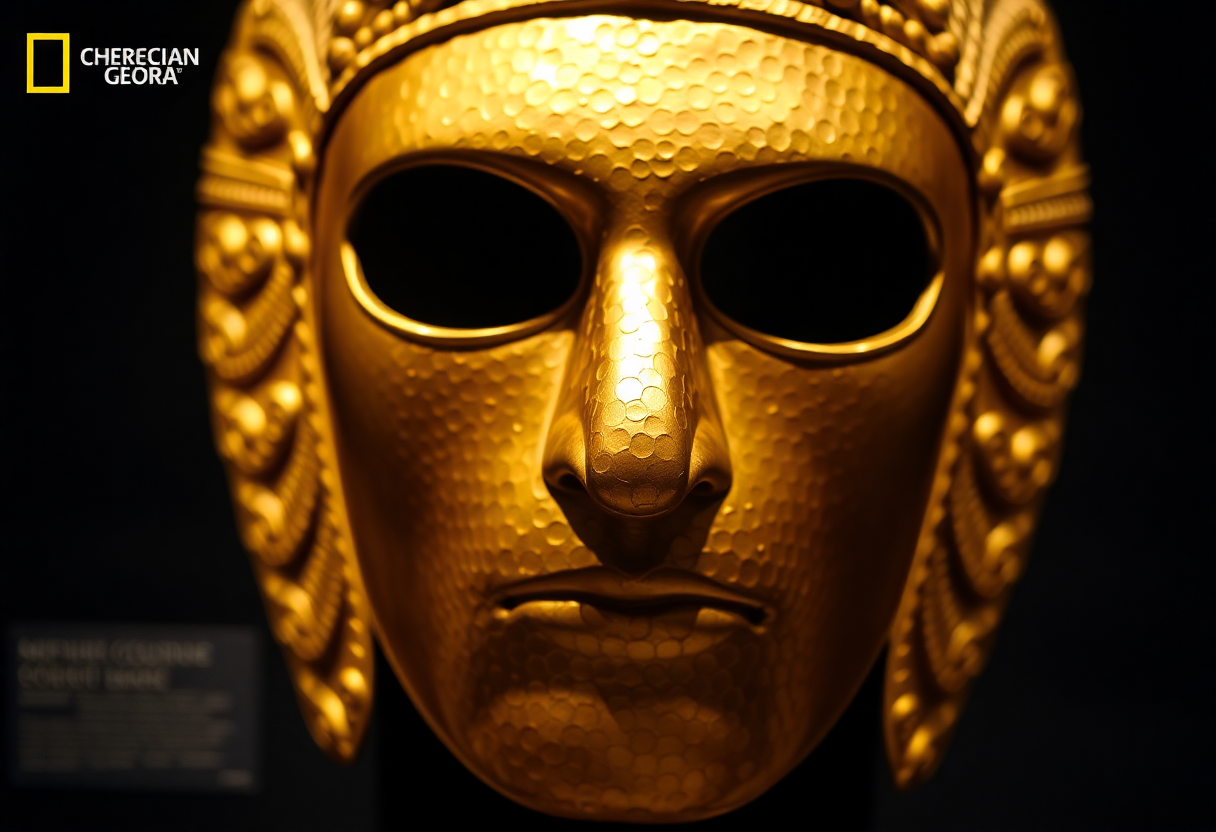
The Temple of Hephaistos, perched on the western edge of the agora, is one of the best-preserved classical Greek temples anywhere. Its Doric columns and intact roof demonstrate the design principles that influenced countless later buildings, while its dedication to the god of metalworking and craftsmanship reflects the neighborhood’s ancient industrial character.
The reconstructed Stoa of Attalos, a two-story colonnade originally built in the 2nd century BCE, now houses the Agora Museum and offers a tangible sense of the covered porticos where Athenians once sheltered from sun and rain while conducting business or philosophical discussion.
Political buildings such as the Bouleuterion (council house) occupied the agora’s western side, where representatives from the ten tribes deliberated on legislation. Courts met in open-air settings or simple structures, embodying the transparency and accessibility that defined Athenian civic life. You can read the democratic values in the layout—no palatial throne room, just open ground where free male citizens argued policy.
From the agora, a short walk leads into Monastiraki, where ancient monuments meet modern Athenian commerce. Near the Ancient Agora and Hadrian’s Library—a 2nd-century CE structure whose surviving columns frame views of modern traffic—Monastiraki is known for its flea market, shops, and eateries. Sundays see the flea market expand into surrounding streets, vendors selling antiques, vintage clothing, hand tools, and curiosities alongside souvlaki stands and coffee carts. The neighborhood embodies sixth-century temples, Ottoman-era mosques, 19th-century neoclassical facades, and contemporary graffiti all occupying adjacent blocks.
If you plan to visit multiple archaeological sites over your four-day stay, consider the combined ticket that provides access to a group of major ruins within a defined validity period. Buy it once and spread your visits across four days at your own pace; no need to rush through the Acropolis, Agora, and Roman Forum in a single marathon. Monastiraki’s metro station makes it easy to navigate between ancient zones and modern neighborhoods, the underground platforms themselves displaying artifacts uncovered during construction.
Photograph the transition from ancient columns to contemporary street life in Monastiraki Square, where the Church of the Pantanassa sits amid competing visual layers. The compact density of this zone—where you can stand with Hadrian’s Library in one sightline and street vendors in another—captures Athens’ refusal to separate past from present.
For a full multi-day plan in Paris, see Best things to do in Paris in 3 days: a curated itinerary.
Day Three: National Archaeological Museum and Roman Athens
Dedicate the morning to the National Archaeological Museum, Greece’s largest collection spanning prehistoric cultures through late antiquity. The museum houses extensive collections of artifacts illustrating the development of Greek civilization from the prehistoric Aegean through the classical and Hellenistic periods to Roman times. Arrive early to avoid the school groups that pack the galleries by mid-morning; the lighting in the sculpture wing is superb in the first two hours after opening. Plan at least three hours to do justice to the major galleries, though enthusiasts could easily spend a full day among the pottery, sculpture, bronzes, and frescoes.
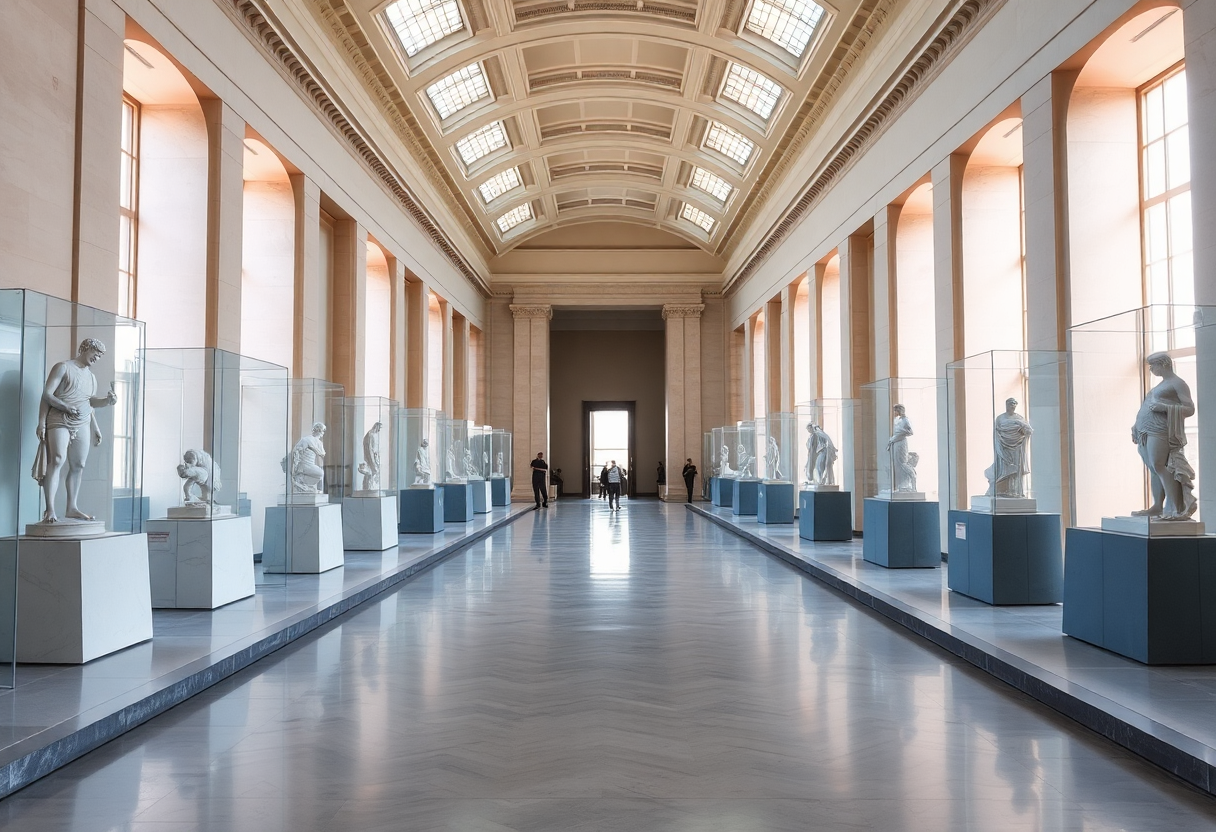
The Mask of Agamemnon, discovered by Heinrich Schliemann at Mycenae, anchors the prehistoric collection despite scholarly debate about its attribution. The gold funerary mask, dated to the 16th century BCE, represents Bronze Age craftsmanship and the burial practices of Greece’s earliest palace civilizations. Nearby cases display Linear B tablets, Cycladic figurines, and Minoan frescoes, documenting cultures that preceded the classical Greek city-states by a millennium.
The sculpture galleries trace the evolution from archaic kouroi—stylized male figures with rigid poses—to the naturalism and movement of classical and Hellenistic works. The Antikythera Mechanism, a 2nd-century BCE astronomical calculator recovered from a shipwreck, demonstrates the sophisticated mechanical knowledge of ancient engineers. Bronze statues fished from the sea floor—including the Poseidon of Cape Artemision and the Jockey of Artemision—retain detail that weathering destroyed in their marble counterparts.
Use the integrated public transport ticketing system to reach the museum efficiently from central areas like Syntagma or Monastiraki, taking advantage of the metro network rather than relying solely on taxis. The Victoria or Omonia metro stations are closest to the museum, and the walk from either involves navigating busy modern Athens streets—a useful reminder that the city extends far beyond the tourist-focused historic center.
After the museum, return to central Athens to explore Roman-era monuments. The Temple of Olympian Zeus stands in the core archaeological zone near Syntagma and the Acropolis area, easily visited on foot from other major sites. Once one of the largest temples in the ancient world, construction began in the 6th century BCE but was only completed under the Roman emperor Hadrian in the 2nd century CE. Fifteen massive Corinthian columns survive from the original 104, their scale hinting at the ambition of a project that spanned six centuries.
Hadrian’s Arch, standing adjacent to the temple, marked the boundary between the old city of Theseus and Hadrian’s new extension. Inscriptions on either side acknowledge both Greek heritage and Roman patronage, embodying the cultural continuity and imperial power that characterized Athens under Roman rule. The arch’s preservation amid modern traffic and metro construction speaks to the ongoing negotiation between ancient monuments and urban development.
Walk from the temple complex to the Panathenaic Stadium, built entirely of marble and occupying the site of an ancient stadium first constructed in the 4th century BCE. Later rebuilt in marble in the 2nd century CE for the Panathenaic Games, it was refurbished in the 19th century to host the first modern Olympic Games in 1896. The stadium preserves genuine continuity with antiquity while serving contemporary ceremonial functions, its U-shaped track and tiered seating testifying to the endurance of athletic culture across millennia.
For practical transit detail in Rome, see How to get around Rome using public transport: a complete guide.
Day Four: Gazi’s Industrial Heritage and Lycabettus Views
Explore Gazi–Keramikos, where Athens’ 19th-century gasworks has been transformed into Technopolis, a cultural hub for exhibitions, concerts, and contemporary art. The former gasworks, established to provide gas lighting for the growing capital, ceased operation in the late 20th century and has been converted into a complex that reflects the city’s industrial and post-industrial transformation. Preserved brick buildings, iron structures, and machinery now frame performance spaces, galleries, and event venues, creating a dialogue between industrial heritage and creative reuse.
Gazi hosts cultural venues, restaurants, and nightlife around the Technopolis complex, demonstrating that Athens extends far beyond its archaeological fame. The neighborhood’s evolution tracks broader European patterns of post-industrial urban regeneration, where obsolete infrastructure becomes the skeleton for new cultural quarters. Galleries in the area showcase Greek and international contemporary artists, while music venues range from experimental jazz clubs to electronic music spaces that draw crowds until dawn.
The surrounding streets reveal how industrial transformation reshapes residential patterns and commercial life. Restaurants occupy converted warehouses; small theaters operate in former workshops. Head to Vathis Street in Gazi where locals crowd small tavernas and wine bars after 10 p.m.; tourist menus are rare here.
Head to Vathis Street in Gazi where locals crowd small tavernas and wine bars after 10 p.m.; tourist menus are rare here.
After exploring Gazi, head to Lycabettus Hill, one of the highest points in central Athens offering panoramic views over the city and the Acropolis. The summit can be reached on foot via hiking paths that wind through pine forest, or by funicular railway that departs from the Kolonaki neighborhood. The climb on foot takes roughly 30 to 45 minutes depending on pace and route, rewarding effort with changing perspectives on the urban sprawl below.
Time your visit for late afternoon or early evening to see the illuminated Acropolis and modern cityscape as sunset progresses. From Lycabettus, the Parthenon appears as a brilliant focal point amid the grid of streets and apartment blocks that stretch to the Saronic Gulf.
The view synthesizes your four-day journey—ancient monuments surrounded by a living metropolis of three million people, green hills and archaeological zones interrupting the urban fabric, port cranes and island ferries visible in the distance.
The hilltop Chapel of St. George crowns the summit, a small whitewashed structure that hosts services and festivals. A café and restaurant occupy adjacent terraces, offering refreshment and lingering opportunities as the light shifts. The panorama from Lycabettus completes the narrative arc from ancient citadel to contemporary city, showing how Athens layers time and function across the same landscape.
Navigating Athens: Public Transport and Walkable Districts
Athens operates an integrated metro, tram, bus, and trolleybus network with unified ticketing across most modes. Tickets purchased from machines in metro stations or kiosks near major stops cover transfers within a time window, making it straightforward to combine metro rides with surface transport. The public transport authority provides route maps and fare information, though signage in English and ticket validation rules sometimes confuse first-time users.
The metro connects central areas like Syntagma, Monastiraki, and Acropolis stations with outer districts and Piraeus port. Line 1 (green) runs from Piraeus through Monastiraki to the northern suburbs, serving the port and areas beyond the historic center. Line 2 (red) and Line 3 (blue) intersect at Syntagma, linking residential neighborhoods, universities, and the airport. During metro construction in the 1990s and 2000s, crews uncovered significant archaeological remains; selected artifacts are now displayed in several stations, turning commuter infrastructure into impromptu museums.
Key archaeological sites and neighborhoods form a compact historic center accessible on foot from Syntagma, Monastiraki, and Acropolis metro stations. Walking from the Acropolis to the Ancient Agora, then through Plaka and Monastiraki to Syntagma Square, covers roughly three kilometers and reveals Roman libraries, Byzantine church domes, Ottoman-era mosques, neoclassical storefronts, and contemporary graffiti all occupying adjacent blocks. Comfortable shoes and attention to traffic—pedestrian crossings are not always respected by drivers—make this exploration safer and more pleasant.
The tram network extends from Syntagma along the coast to Piraeus and the southern beaches, offering access to the waterfront and relief from the dense historic center. Trams run frequently during daytime hours, less so late at night, and provide air-conditioned comfort during summer heat. Buses and trolleybuses fill gaps in the metro network but can be slower due to traffic; metro and tram generally prove more reliable for visitors navigating between major areas.
Keep bags zipped on Line 1 between Piraeus and Monastiraki, where pickpockets work crowded platforms during peak hours; elsewhere, standard urban awareness suffices. Athens is generally safe for visitors, but basic vigilance prevents avoidable problems.
Beyond the Tourist Script: Misconceptions and Hidden Layers
Athens offers vibrant contemporary culture, nightlife, and creative scenes alongside its archaeological fame, particularly in neighborhoods like Gazi, Psirri, and Exarchia. The assumption that the city consists solely of ancient ruins and tourist-oriented tavernas ignores the galleries, design studios, live music venues, and experimental theaters that animate districts across the metropolitan area. Young Athenians have reshaped post-crisis Athens through cooperative cafés, independent bookshops, urban gardens, and cultural initiatives that visitors willing to venture beyond Plaka will discover.
Plaka, despite its tourist traffic, is not merely a commercial zone but the oldest neighborhood of Athens, characterized by preserved neoclassical houses, small museums, and proximity to major monuments. The official tourism board describes it as a living, historically significant district on the slopes of the Acropolis, where residential life persists alongside visitor-oriented commerce. Respecting its dual identity—keeping noise down at night, not blocking doorways or narrow lanes—acknowledges the people who call Plaka home.
The Panathenaic Stadium is not a modern replica built only for the 1896 Olympic Games. It occupies the site of an ancient stadium first built in the 4th century BCE and later rebuilt in marble in the 2nd century CE; it was refurbished in the 19th century to host the first modern Olympics, preserving continuity with its ancient past. The marble seats and track configuration follow the original form, making it one of the few athletic venues with genuine links to both ancient games and the modern Olympic revival.
The Temple of Olympian Zeus and Hadrian’s Arch are not distant excursions requiring separate trips; they stand in central Athens near Syntagma and the Acropolis area, forming part of the core archaeological zone that can be visited on foot from other major sites. The perception that Roman-era monuments lie outside the main tourist circuit reflects itinerary templates more than geographical reality. A 15-minute walk from Plaka brings you to both structures, integrating Roman imperial patronage into the broader narrative of Athens’ multi-layered history.
A 15-minute walk from Plaka brings you to both structures, integrating Roman imperial patronage into the broader narrative of Athens’ multi-layered history.
Four days allow deeper exploration of Athens’ multi-layered identity, moving beyond surface-level monument-hopping to understand ongoing urban life. The time frame creates space for both intensive museum visits and slower-paced neighborhood wandering, for structured sightseeing and spontaneous discovery of street art, local markets, or a park bench with Acropolis views. You’ll leave with specific memories: the taste of an ouzo in Monastiraki, the temperature drop inside the Parthenon’s shadow, the view from Lycabettus at sunset.
Practical Considerations for a Four-Day Stay
Early-morning or late-afternoon visits to open-air sites help manage heat exposure and crowd levels, following daylight-based opening hours. The Acropolis and other archaeological sites typically open in the early morning and close around sunset hours, with extended opening in summer. Visiting the Acropolis within the first hour of operation or in the late afternoon reduces both physical discomfort and competition for unobstructed photographs, though afternoon light can be harsh for photography.
Buy the combined archaeological ticket once and spread your visits across four days at your own pace; no need to rush through the Acropolis, Agora, and Roman Forum in a single marathon. The ticket’s validity period removes pressure to see everything immediately, aligning with a travel philosophy that values absorption over accumulation.
Respect the residential character in neighborhoods like Plaka and Anafiotika by observing local norms around noise, movement, and private space. The narrow lanes and preserved neoclassical architecture that make these districts appealing also mean that visitor behavior directly affects residents’ quality of life. Late-night conversations in stairwells, blocking doorways for photographs, or treating residential streets as public stages disregards the people who live here. Tourism officials and neighborhood associations increasingly emphasize responsible visiting practices that balance access with livability.
Integrated public transport allows efficient movement between ancient zones, modern districts, and green spaces like the National Garden. The metro, tram, and bus network makes it practical to visit the National Archaeological Museum in one morning, the Acropolis in another, and Gazi or Piraeus in the afternoon without returning to a single base. Understanding the ticketing system and main transfer points—Syntagma for metro lines, Monastiraki for metro and flea market access—reduces stress and wasted time.
Four days create space for both intensive monument visits and slower-paced neighborhood wandering, balancing structured sightseeing with spontaneous discovery. Build in margin time—an extra hour at the Acropolis Museum, an unplanned coffee break in Monastiraki Square, a detour through the National Garden when the afternoon heat peaks. Athens rewards the visitor who allows rhythm and accident to shape experience, who recognizes that understanding a city comes as much from watching people navigate daily life as from guided tours and information plaques. The interplay between ancient stones and contemporary streets, between planned itinerary and serendipitous encounter, defines the four-day Athens experience.