Versailles or Fontainebleau: Which Day Trip from Paris Should You Choose?
Both Versailles and Fontainebleau are world-class royal estates reachable in under an hour from Paris, yet they offer entirely different experiences. This guide compares transport, timing, atmosphere, and what to expect so you can decide which château fits your schedule and travel style.
Whether you’re drawn to Europe’s most visited palace or prefer a quieter historical retreat surrounded by ancient forest, understanding the practical differences between these two destinations will help you make the most of your day trip from the capital.
How to Reach Versailles from Paris
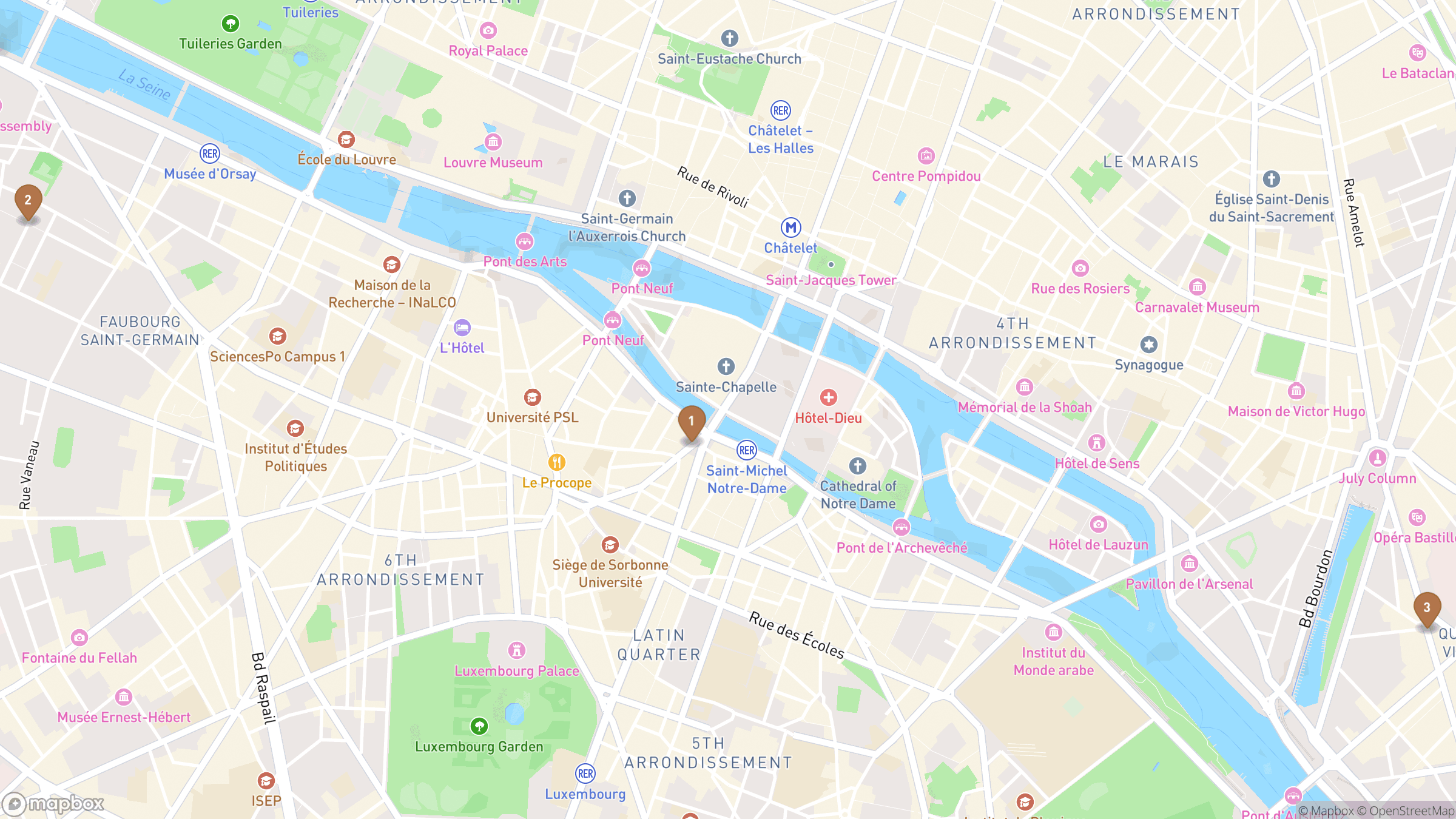
Getting to Versailles from central Paris is straightforward and well-served by public transport. Take the RER C line from major stations like Saint-Michel–Notre-Dame or Invalides, traveling direct to Versailles Château–Rive Gauche. The journey typically takes about 40–50 minutes one way, with frequent departures throughout the day.
The station drops you within comfortable walking distance of the palace entrance, eliminating the need for taxis or additional connections. Buy a standard RER ticket; you don’t need to reserve the train in advance. Simply validate your ticket at the station and board any train marked for Versailles Château–Rive Gauche—the line is dedicated to serving the palace, so navigation is minimal even for first-time visitors.
Avoid trains 7–9 AM and 5–7 PM. Board after 10 AM for comfortable seating.
How to Reach Fontainebleau from Paris
The journey to Fontainebleau begins at Gare de Lyon in central Paris. From there, board a Transilien Line R train heading toward Montargis, Montereau, or Laroche-Migennes. Travel time to Fontainebleau-Avon station runs around 40–50 minutes, making it comparable to the Versailles journey in terms of duration.
Upon arrival at Fontainebleau-Avon, the connection to the château is managed by Bus Line 1. The bus stop sits directly outside the station with clear signage, and departures run approximately every 15 minutes during daytime hours. The ride to the château takes about 16 minutes, depositing passengers near the palace entrance without any complex navigation.
This two-step connection—train followed by local bus—is well-coordinated and designed for tourists. Trains run frequently throughout the day, and the bus schedule aligns with train arrivals to minimize wait times.
No taxi is needed, and the entire route from Paris to the château remains straightforward for independent travelers. The France Travel guide provides additional context on day-trip logistics from the capital.
Time Required for Each Visit
Versailles covers 815 hectares; plan 6–8 hours minimum to see the main palace and gardens without backtracking. Arrive early and allocate several hours not just for the main palace interiors, but also for the expansive gardens and outlying structures like the Grand Trianon and Petit Trianon.
The Hall of Mirrors alone warrants substantial time, and the formal gardens stretch far beyond immediate view from the palace windows.
Fontainebleau, by contrast, fits comfortably into a more relaxed half-day schedule focused on the château interior. Arrive by 9:30 AM when the château opens—but note it’s shut Tuesdays. Plan to leave by 5 PM Oct–Mar, 6 PM Apr–Sep. The palace is also closed on January 1, May 1, and December 25.
An early departure from Paris gives you ample touring time inside, with the afternoon free to enjoy lunch in the town or explore the surrounding forest.
Picking Versailles costs 8 hours; Fontainebleau costs 4. Versailles rewards those who can dedicate an entire day and want to immerse themselves in France’s most famous royal setting. Fontainebleau appeals to travelers who prefer a gentler schedule or want to combine palace touring with outdoor activities in the vast Fontainebleau forest.
For a full multi-day plan in Paris, see Best things to do in Paris in 3 days: a curated itinerary.
Atmosphere and Crowds: What to Expect
Versailles holds 7 million annual visitors, making it one of the most crowded palaces in Europe. Peak congestion typically hits late morning and early afternoon.
Even with timed entry arrangements, expect queues at entry points, crowded galleries in the main apartments, and busy garden pathways during high season.
The palace infrastructure is designed to handle mass tourism, but privacy and solitude are not part of what you’ll find here.
Fontainebleau averages 400,000 annual visitors versus 7 million at Versailles; midday waits rarely exceed 15 minutes. Tour groups are less common, and lines at entry points stay short. At Fontainebleau, you can spend 20 minutes in a single room without being nudged forward by tour groups.
If you value a calmer environment and prefer to explore at your own pace without constant jostling, Fontainebleau has a clear advantage. That serenity doesn’t diminish the historical significance or architectural beauty—it simply means you’ll experience it with more breathing room.
For travelers sensitive to crowd density or visiting during peak tourist months, this difference in atmosphere can be decisive.
For practical transit detail in Paris, see How to navigate Paris Metro and RER like a local.
What Each Château Offers: Highlights and Character
Versailles is built for shock value: 357 mirrors in one room, 1,400 fountains in the gardens, and deliberate architectural one-upmanship. The Hall of Mirrors remains one of Europe’s most recognized interior spaces. Formal gardens stretch across hundreds of acres, punctuated by fountains, sculptures, and meticulously maintained parterres.
The estate also includes the Grand Trianon, Petit Trianon, and Marie Antoinette’s hamlet—separate structures offering diverse architectural styles and historical contexts within one visit.
You’ll see François I’s Renaissance wing alongside Louis XIV’s Baroque apartments, each visibly distinct. The château’s park and surrounding forest add a significant nature component to the experience. The park and gardens of Château de Fontainebleau are free to enter, while access to the palace interior requires arrangements.
Versailles leans toward spectacle and the most recognized royal branding in France. Fontainebleau balances historical depth with tranquility, offering an intimate look at centuries of royal habitation without the overwhelming crowds.
If you’re also planning to visit other Parisian landmarks, understanding what distinguishes these two palaces helps you allocate your limited travel days most effectively.
Choosing Between Versailles and Fontainebleau
Pick Versailles if you want the most famous royal palace experience in France and can dedicate a full day to the visit. The scale, the status, and the sheer breadth of what’s on display make it a bucket-list destination for many travelers, even if that means navigating crowds and committing an entire day to the estate.
Choose Fontainebleau if you prefer a quieter, more relaxed visit with rich historical layering and easier logistics for a shorter trip. The palace offers depth without overwhelming scale, and the option to combine château touring with a forest walk or leisurely lunch in town makes for a well-rounded day.
Both destinations sit under an hour from Paris by train, so transport time is nearly identical—the decision hinges on your tolerance for crowds, your interest in gardens versus forest, and whether you value spectacle or historical intimacy.
Go to Versailles if crowds don’t bother you and you have 8+ hours free; pick Fontainebleau if you want solitude.
Practical Tips for Your Day Trip
Catch the 7:15 AM RER train to Versailles; you’ll be through gates by 9 AM before tour groups arrive. Consider arranging access in advance to streamline entry and avoid standing in long ticket queues. The estate is vast, so comfortable walking shoes are essential, and bringing water and snacks can save time if you plan to spend the afternoon exploring the gardens.
At Fontainebleau, a typical itinerary might involve visiting the château in the morning when it opens at 9:30, having lunch in the charming town center, and then spending the afternoon walking through the forest or relaxing in the gardens. The park’s free access means you can return after lunch without additional arrangements.
Standard train tickets from Paris cover both destinations without requiring advance reservations for the rail journey itself. However, check château closure days before traveling: Fontainebleau is closed Tuesdays and on certain public holidays, while Versailles is open daily except for closures.
Skip the tours—RER and self-guided exploration are faster and cheaper than organized options. If you’re planning multiple day trips from the capital, the Paris travel hub on Travify can help coordinate logistics across different destinations.