How to Get Around Rome Using Public Transport: A Complete Guide
Rome’s public transport network—run primarily by ATAC—combines metro lines, buses, trams, and suburban trains into an integrated system that can take you almost anywhere in the city for as little as €1.50. Understanding tickets, validation rules, and which mode works best for each journey turns navigating Rome from overwhelming into straightforward. The system’s integrated ticketing means a single fare covers seamless transfers across modes within validity periods, making it economical for visitors willing to learn the basics.
Understanding Rome’s Public Transport Network
ATAC operates Rome’s main urban transport services including buses, trams, metro lines, and some urban rail lines within the city. This unified approach means the same ticketing system works across all modes, eliminating the confusion of separate fare structures.
You get seamless transfers within validity windows—one ticket covers metro to bus to tram without buying multiples each time.
Termini Station serves as the central hub connecting metro lines, numerous bus routes, and national and regional train services. Nearly every major cross-city journey passes through Termini at some point, making it the natural transfer point when planning longer trips. Watch your bag at Termini—it’s a known pickpocket hotspot.
The historic ancient center has no metro access due to archaeological constraints, making buses and walking essential for central attractions like the Forum, Colosseum neighborhood streets, and Piazza Navona. Services generally run from approximately 05:30 to midnight, with night buses covering key routes after regular services end. Planning around these hours prevents late-night surprises, especially since the metro shuts earlier than many European capitals.
Metro Lines: Fast but Limited Coverage
Rome’s metro network operates daily from approximately 05:30 to 23:30, with extended service until about 01:30 on Saturdays. The early closure on weekdays means you’ll be stranded if your opera runs past 23:30—plan dinners before metro shutdown. The metro is the fastest option for north-south and east-west crossings where lines exist, particularly useful for reaching peripheral areas like EUR or distant residential neighborhoods in under thirty minutes.
Archaeology blocks metro expansion in the ancient center—every tunnel hits priceless mosaics, aqueduct foundations, or intact burial sites that legally halt construction. The Pantheon, Spanish Steps, and Trevi Fountain remain unreachable by metro. A single metro journey consumes one BIT ticket regardless of distance, with no re-entry allowed on the same ticket, so plan your surface-level exploring before descending underground.
Metro stations feature ticket vending machines, though bringing small change or coins improves reliability. Bring coins or small notes to every machine. The Pantheon, Spanish Steps, and Trevi Fountain need buses or walking. From Termini, take bus 116T to Pantheon (~15 min)—faster than walking. RomeSite’s transport guide provides detailed line-by-line coverage maps showing exactly which neighborhoods each metro line serves.
Buses and Trams: Your Route to the Historic Center
Buses are the primary public transport mode in Rome’s historic center where metro doesn’t reach. Narrow medieval streets and Renaissance piazzas lie too close to Roman ruins for underground tunneling, making surface transport the only viable option. Standard public buses generally operate from about 05:30 to midnight, with night bus services running on core routes afterward, ensuring you’re not stranded after an evening concert or late dinner.
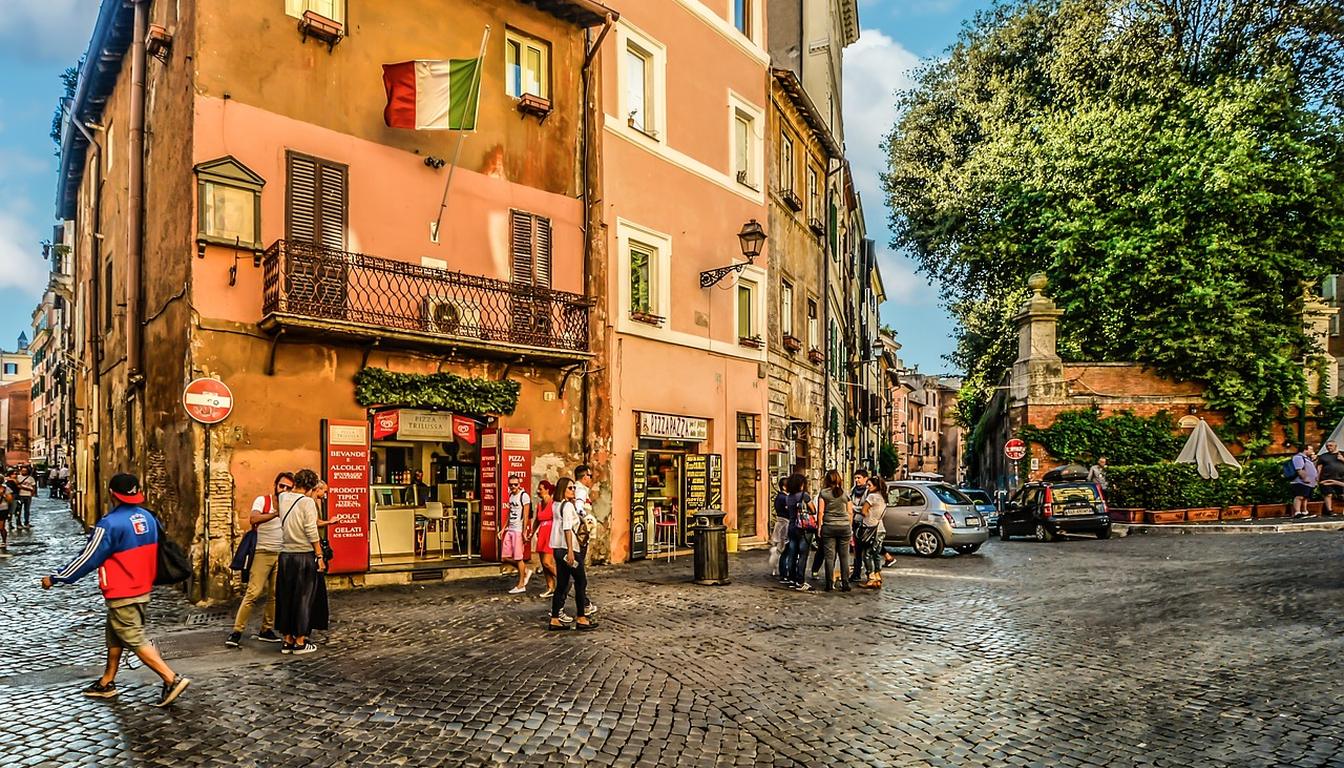
 Image by RobertCheaib from Pixabay
Board buses at the front or rear doors and exit via middle doors, following local boarding etiquette. Romans take this flow seriously during rush hours, and blocking the middle doors while trying to board draws immediate correction.
Also critical: bus drivers never sell tickets—all tickets must be purchased before boarding from tobacconists, newsstands, or machines. This rule surprises many international visitors accustomed to paying drivers directly.
The same validated BIT ticket can be used multiple times on buses and trams within the 100-minute validity window. This means one €1.50 ticket covers a bus to Piazza Navona, a tram across Trastevere, and another bus to your hotel, provided you stay within the time limit. Most visitors miss this—they buy a new ticket for every hop. Since the Pantheon sits in a car-restricted zone with no metro access, planning your bus route in advance with Pantheon access information helps coordinate transport timing with your visit. Rome Toolkit’s bus guide offers detailed route explanations for reaching major sights from Termini and other hubs.
Tickets and Passes: What You Need to Know
A standard integrated BIT ticket costs €1.50 and is valid for 100 minutes on buses, trams, and light rail, plus one metro journey. The 100-minute validity allows multiple bus and tram rides but only a single metro entry during that window, so strategic planning maximizes value. If you take the metro first, you can still catch buses afterward within your remaining time.
Time-based passes—24-hour, 48-hour, 72-hour, and weekly CIS tickets—offer unlimited travel across all modes from first validation. These passes eliminate mental math about transfer windows and encourage spontaneous exploring without constantly buying new tickets. Bring kids under 10 free with a paying adult—it cuts family transport costs by half, which matters when you’re doing four metro rides a day.
Three BIT tickets already cost €4.50, while a 24-hour pass allows unlimited rides for around the same spend, paying for itself after just a few trips. The weekly CIS pass suits longer stays or visitors planning day trips to outlying areas via urban trains.
Where to Buy Tickets and How to Validate
Paper tickets are widely sold at tobacconists (tabacchi marked by a black ‘T’), newsstands (edicole), and metro station vending machines. Tabacchi are ubiquitous throughout Rome, often doubling as convenience stores selling everything from stamps to phone cards. Skip tabacchi in the Colosseum area—they charge tourists double. Use metro station machines or any tabacchi three blocks away from major sites. Contactless credit and debit cards plus digital wallets can be tapped directly on red and black readers on buses, trams, and metro since 2023, functioning exactly like a validated paper ticket.
Paper tickets must be validated once on boarding buses and trams in yellow machines, or at metro turnstiles before entering.
The yellow machines stamp a time and date on your ticket, starting the 100-minute countdown.
Keep your validated ticket accessible throughout your journey as inspectors conduct random checks with substantial fines for invalid travel, typically around €50 plus the original fare.
Using contactless payment eliminates the need to find ticket vendors but functions identically to a standard validated ticket. Tap your card; the reader charges accordingly. Wanted in Rome’s transport guide walks through the contactless payment process step-by-step for first-time users.
Planning Your Routes and Navigation
Download official ATAC maps (city centre, urban metro-rail, night lines) before your trip for offline navigation. Mobile data can be patchy in older buildings and underground metro tunnels, so having maps cached on your device prevents getting stranded without directions. Termini Station acts as the primary transfer point between metro lines, buses, and regional trains for cross-city journeys, making it the default answer when you’re unsure how to connect two distant neighborhoods.
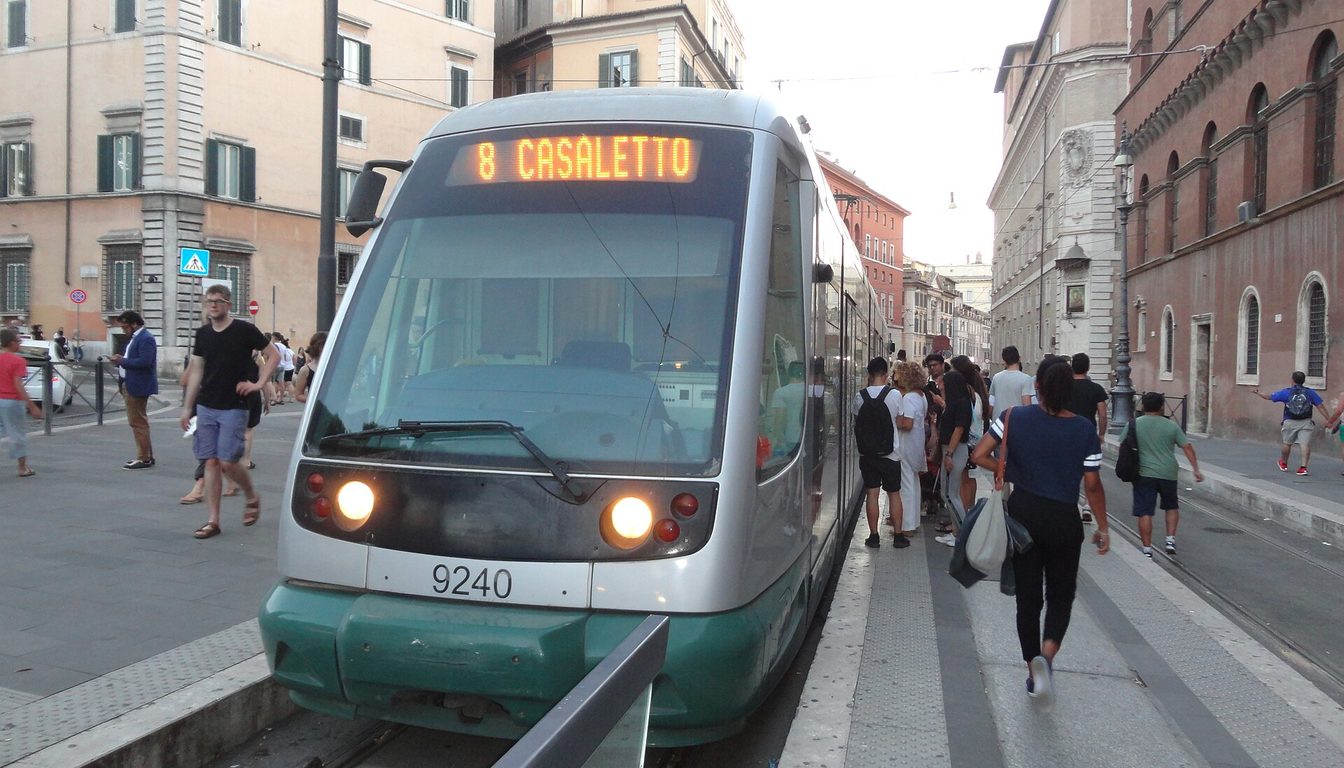
 Photo: Kaga tau / Wikimedia Commons, CC BY-SA 4.0 (cropped)
For destinations in the ancient center, plan to use buses or walk, as metro lines circumvent this archaeologically sensitive zone. Route 116T from Termini to Largo Argentina takes 15 minutes; from there, Pantheon is 200m south, Trevi is 400m east. Routes N1, N2, and N5 run after midnight to reach Trastevere, Spanish Steps, and Termini, essential for late evening activities like opera performances or dinners that run past metro closing time.
Route planning apps and official ATAC resources help identify the fastest combination of metro and bus connections. Google Maps and Citymapper both integrate Rome’s real-time transit data, showing next arrivals and suggesting optimal routes. Rome Toolkit’s bus guide includes a route planner specifically for reaching major tourist sites from central hotels and transport hubs.
Common Mistakes and How to Avoid Them
Do NOT ask bus drivers for tickets—they won’t sell. Buy first, board second. Assuming the metro reaches all major sights leads to disappointment; many central attractions require buses or walking, since the archaeological center remains off-limits to tunneling.
Misunderstanding the BIT ticket as single-use wastes money; it allows multiple bus/tram rides within 100 minutes. Tourists often buy a new ticket for each short hop when one ticket would cover an entire afternoon of exploring. Skip validation and you’ll get fined €50—the law treats unvalidated tickets as if you have none.
Relying on large banknotes at ticket machines often fails; carry small change or use contactless payment instead. Machines reject €50 and €100 notes routinely, and even €20 bills jam frequently. Wanted in Rome’s guide recommends breaking large notes at cafés or shops before heading to metro stations, or simply tapping your contactless card to bypass machines entirely.
Practical Tips for Efficient Travel
For short stays with multiple daily trips, use 24-, 48-, or 72-hour passes instead of buying many single tickets for better value. A three-day pass costs less than seven individual BIT tickets and encourages spontaneous exploring without mental math at every stop. Plan evening and night travel around service hours to avoid being stranded; metro ends around 23:30 except Saturday nights, while night buses require knowing which routes operate and where they stop.
Validate tickets immediately on boarding and keep them accessible for inspector checks throughout the journey. Inspectors board randomly and check everyone, not just suspicious-looking travelers, so fumbling for a ticket in your bag wastes time and draws unnecessary attention.
Offer seats to older passengers, pregnant people, or those with disabilities following local etiquette customs—Romans take courtesy seriously on crowded buses and appreciate visitors who do the same. Download maps and route information before relying on mobile data, as coverage can be patchy underground and in older buildings. The metro tunnels offer spotty signal at best, and thick stone walls in the centro storico block data entirely in some spots. RomeSite’s transport overview includes printable maps suitable for folding into a pocket guide, handy when your phone battery dies mid-afternoon.