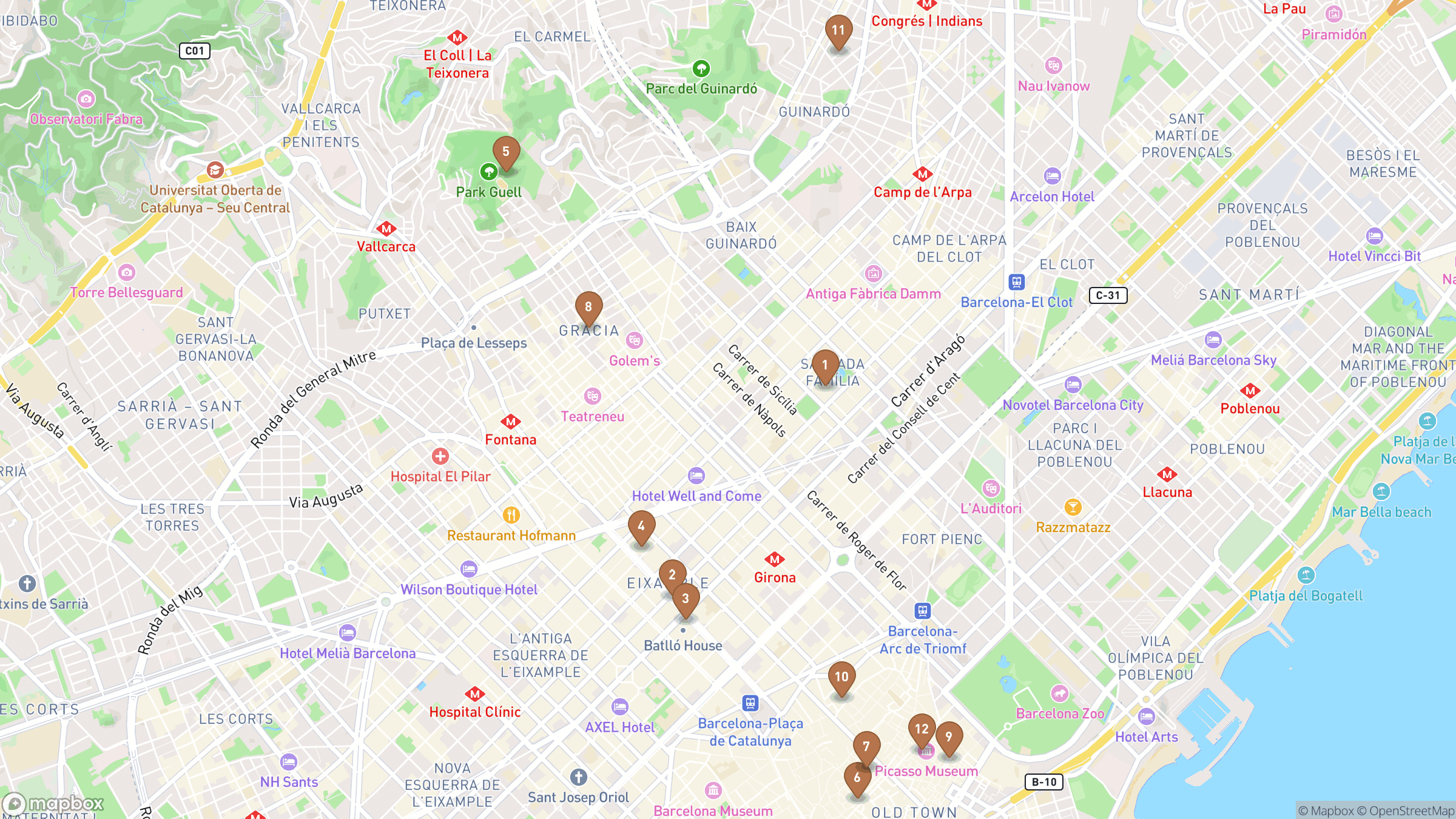
At-a-Glance
Gaudí's Masterpieces and Passeig de Gràcia
- Sagrada Família
- Passeig de Gràcia
- Casa Batlló
- Casa Milà
Park Güell, Gothic Quarter, and First Tapas
- Park Güell
- Gothic Quarter
- Plaça del Rei
- Carrer del Bisbe
- El Born
Mediterranean Beaches and Waterfront
- Barceloneta Beach
- Hotel W
- Hotel Arts
- Torre Mapfre
- Basilica de Santa Maria del Mar
Barcelona in 3 Days: Beach, Gaudí, and Tapas Itinerary
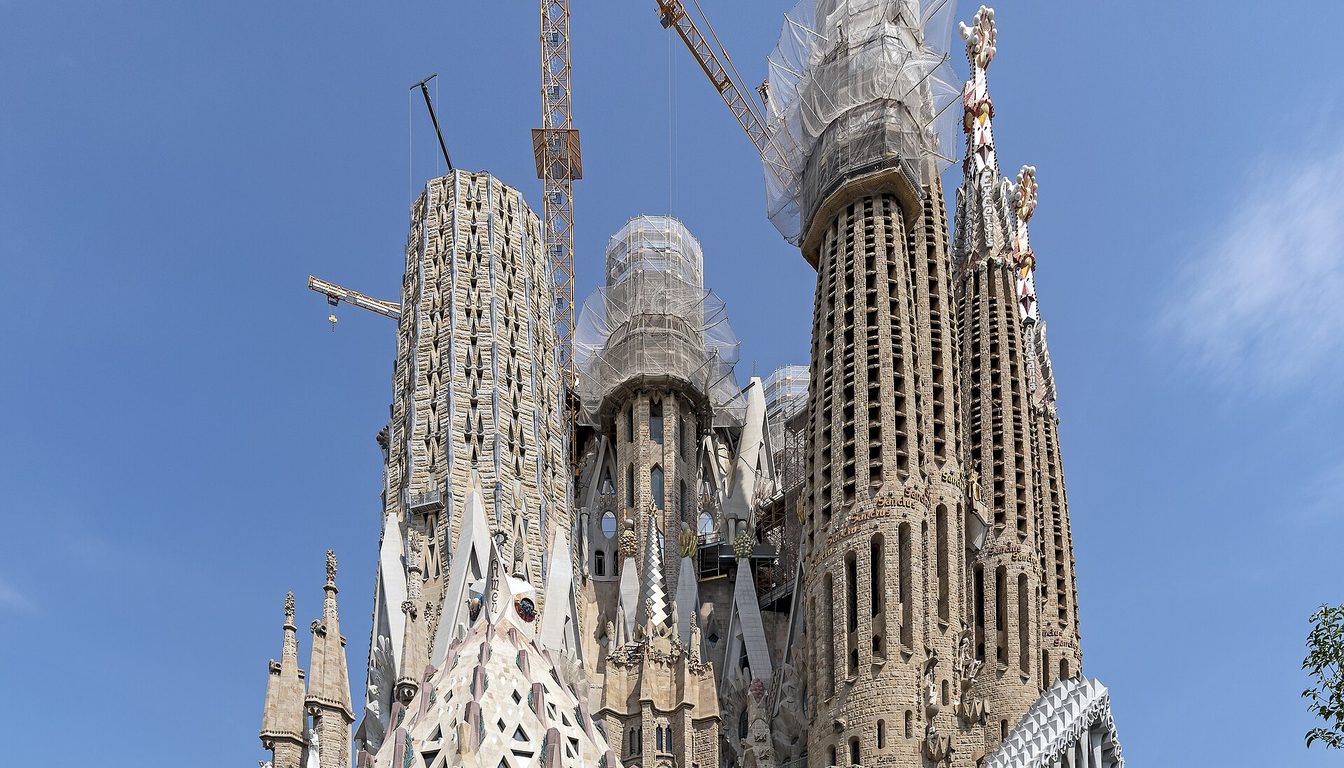
You can visit three Gaudí sites, swim, and eat tapas in 72 hours because the city is small and metro is fast. This three-day itinerary shows how to balance Gaudí’s Sagrada Família and Park Güell, seaside relaxation, and tapas bar-hopping without rushing through the experience. The city’s compact layout and efficient public transport make it realistic to see major sights, spend time by the Mediterranean, and immerse yourself in Catalan dining culture—all within seventy-two hours.
Day One: Gaudí’s Masterpieces and Passeig de Gràcia
Begin your Barcelona visit with the Sagrada Família, arriving in the morning when natural light enters through the eastern façade and illuminates the interior in warm amber tones. Construction began in 1882 under Francisco de Paula del Villar, but Antoni Gaudí took over the project the following year and devoted the remainder of his life to it. The basilica remains unfinished today, with ongoing work following Gaudí’s original designs and modern interpretations of his vision. The Sagrada Família is inscribed on the UNESCO World Heritage List as part of the collective “Works of Antoni Gaudí,” recognized for outstanding universal value in architecture.
Advance timed-entry access is essential for visiting the Sagrada Família, as capacity limits are strictly enforced and busy days can see allocations fill completely. Securing your preferred time slot ahead of travel ensures you can structure the rest of your day without unexpected delays. If you’re planning ahead, you can compare access options here to understand what’s available.
From the Sagrada Família, walk or take the metro to Passeig de Gràcia, where two more of Gaudí’s UNESCO-listed domestic works anchor the boulevard. Casa Batlló’s façade shifts color and light as you walk past it. Casa Milà’s stone looks like melted wax. Both reward a slow walk around the perimeter.
Walk Passeig de Gràcia north past Casa Batlló. Look up—wrought-iron balconies, floral tiles, stained glass fill every corner building. This is not one-off artistry; it’s how Barcelona’s middle class lived.
Ildefons Cerdà’s 19th-century grid plan created uniform blocks with chamfered corners. End your first day with a walk through these streets, noting the lesser-known apartment buildings and corner cafés that reveal how modernism shaped everyday urban life.
Day Two: Park Güell, Gothic Quarter, and First Tapas
Start early at Park Güell to see Antoni Gaudí’s vision for a garden city before mid-morning crowds arrive. Commissioned by industrialist Eusebi Güell between 1900 and 1914, Güell wanted to build mansions here. The market collapsed. The city bought it instead, and now it’s public. The site became a public park and is now part of the UNESCO World Heritage inscription for Gaudí’s works.
The terrace bench overlooks the whole city—sea to mountains. It’s the most photographed spot in the park, so arrive early. The vantage point from this terrace offers one of the clearest perspectives on Barcelona’s layout, from the Mediterranean coastline to the distant peaks of the Collserola range. Like the Sagrada Família, Park Güell operates on timed-entry ticketing to manage visitor flow, and advance booking is advisable to secure morning slots when light and temperature are most comfortable.
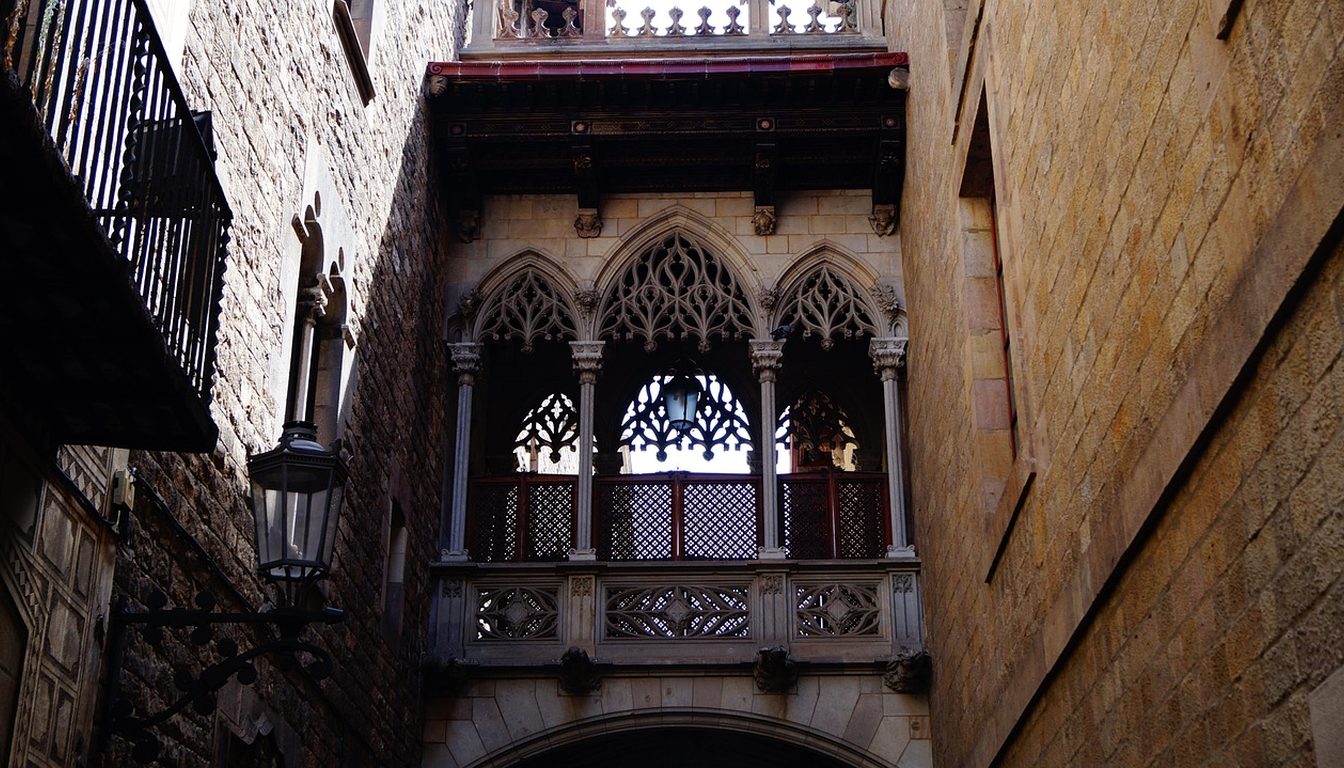
Descend from Park Güell by metro or on foot to reach the Gothic Quarter, where layers of history compress into narrow lanes and small plazas. Roman walls from the 1st century are built into the cathedral’s base. Medieval shops sit on Roman streets. Walk Carrer del Bisbe and you’ll see all three periods stacked vertically.
Some purists dislike the 20th-century reconstructions, but as a visitor, you won’t notice—it looks medieval, it is medieval in parts, and it’s worth exploring without overthinking provenance. Wander through Plaça del Rei, Carrer del Bisbe, and the small streets radiating from the cathedral, where Roman columns emerge from medieval walls and Gothic arches frame modern shopfronts.
Plan your first tapas experience for the evening, keeping in mind that Spanish meal times run later than in many other European countries. Lunch typically occurs between 1:30 pm and 3:30 pm, while dinner service begins around 8:30 pm or later.
Go to a tapas bar after 9 pm. That’s when locals arrive. You’ll stand elbow-to-elbow, share small plates, order more, and leave when you’re full. The Gothic Quarter and neighboring El Born offer concentrations of tapas spots; arriving slightly before peak hours or remaining flexible about standing space at the bar will ease your entry into the scene.
Day Three: Mediterranean Beaches and Waterfront
Dedicate your final morning or early afternoon to Barcelona’s urban beaches, which stretch 4.5 kilometers from the iconic sail-shaped Hotel W to the Fòrum area. Barceloneta Beach is the most central and accessible, equipped with showers, seasonal lifeguard services, and designated areas for beach volleyball and other activities. These beaches are entirely artificial, created for the 1992 Olympics when Barcelona transformed former industrial and port zones into public leisure spaces.
The beaches work because they’re free, clean, and five minutes by metro from the Gothic Quarter—you don’t choose between culture and swimming.
Walk east along the promenade toward the twin towers (Hotel Arts and Torre Mapfre). It’s a straight line back to the Gothic Quarter—good for a cool-off after sightseeing.
Pickpockets work crowded metro cars, beaches, and tourist zones. Keep your bag in front, zipped, and never leave valuables on your beach towel. Official travel advisories note that petty theft, especially pickpocketing, is reported in crowded tourist areas.
If time allows, spend the later afternoon in El Born, the neighborhood immediately east of the Gothic Quarter. El Born’s streets are tighter and quieter than the Gothic Quarter. You’ll find independent galleries and vintage shops, plus tapas bars where you’re more likely to see neighbors than tour groups. The Basilica de Santa Maria del Mar, a masterpiece of Catalan Gothic architecture completed in the 14th century, anchors the neighborhood and offers a quieter counterpoint to the busier cathedral in the Gothic Quarter.
Navigating Barcelona’s Public Transport in Three Days
Barcelona’s integrated public transport system—metro, bus, tram, and suburban trains—makes it straightforward to move between Gaudí sites, beach areas, and the historic center without relying on taxis or ride-hailing services. The Hola Barcelona Travel Card provides unlimited travel over consecutive days (options for 2, 3, 4, or 5 days) and simplifies logistics by eliminating the need to purchase individual tickets for each journey. This card covers travel within Barcelona’s central fare zones, which include all major tourist attractions and neighborhoods discussed in this itinerary.
Metro lines L3 (green) and L4 (yellow) connect many key locations: L3 runs from Zona Universitària through Passeig de Gràcia and on to Barceloneta, while L4 links Barceloneta with the historic center and continues northwest. Buses and trams fill gaps where metro coverage is less dense, such as routes to Park Güell or along the waterfront. The TMB website provides fare zone maps and ticket options, though for a three-day central stay, most visitors find that standard city tickets cover their needs without requiring extended-zone passes.
One practical consideration: Barcelona’s metro stations are not always step-free, and some involve long transfers between lines. If you’re traveling with heavy luggage or have mobility constraints, plan routes in advance using accessibility information available through TMB or consider supplementing metro use with buses, which are fully accessible. Taxis are metered and widely available, though they become less necessary once you’re familiar with the public transport network.
The Hola Barcelona card can be purchased online before arrival or at airport and city-center locations, and it activates on first use rather than from a calendar date. This flexibility allows you to start your three-day period when you actually begin sightseeing rather than losing coverage to arrival logistics. Keep your card accessible, as inspectors conduct random checks on all forms of public transport and fines for traveling without a valid ticket are substantial.
Tapas Strategy: Timing, Etiquette, and Neighborhood Picks
Understanding the informal structure of tapas dining transforms the experience from transactional ordering into a social ritual. Tapas are small dishes—often no more than a few bites—designed to be shared among a group while standing at a bar or seated at small tables. There is no fixed sequence or required progression through categories; instead, diners order several dishes at once, sample them collectively, and order more as appetite dictates. Common items include patates braves (fried potatoes with spicy sauce), croquetes (creamy croquettes, often filled with ham or cod), and fresh seafood like grilled octopus or anchovies.
Barcelona’s tapas scene reflects both Catalan traditions and influences from across Spain, as migration from other regions brought regional specialties to the city. Some bars specialize in pintxos (small open-faced sandwiches, a style originating in the Basque Country), while others focus on Catalan preparations or pan-Spanish standards. The key is variety: ordering five or six different small plates for two or three people allows you to sample widely rather than committing to a single large dish.
Timing matters. Arriving at a tapas bar between 7:30 pm and 8:30 pm positions you ahead of the local dinner rush, when bars fill with neighborhood residents and tourists converge simultaneously. If you’re flexible about standing at the bar rather than insisting on table seating, you’ll find it easier to move between multiple venues in a single evening—a practice known as “ir de tapas” or going for tapas, which involves stopping at two or three bars to try their specialties rather than settling into one location for the night.
Neighborhoods with strong local tapas concentrations include El Born, Gràcia (north of the Eixample), and parts of the Gothic Quarter away from Las Ramblas. Gràcia feels like a small town—narrow streets, plazas with outdoor cafés, locals who know the bar owners. It’s where Barcelona residents go to escape tourists. Exploring Gràcia also provides a glimpse of Barcelona’s neighborhood structure, as each barrio maintains a distinct identity despite the city’s overall cohesion.
Practical Tips for a Three-Day Visit
Advance planning for high-demand attractions prevents wasted time and allows you to structure each day with confidence. The Sagrada Família, Park Güell, and Casa Batlló all operate on timed-entry systems with capacity limits, and summer months or holiday periods can see allocations sell out days in advance. Purchasing access online guarantees entry at your preferred time and reduces the risk of arriving to find no same-day availability. Mornings and late afternoons tend to be less crowded than midday, and cooler temperatures in shoulder seasons make outdoor exploration more comfortable.
Following an intensive morning of architectural sightseeing with an afternoon on the beach provides physical and mental variety, while saving tapas exploration for evenings aligns with local meal schedules and allows you to experience bars at their most animated. Barcelona’s compact central layout makes it feasible to walk between the Gothic Quarter and Barceloneta in under thirty minutes, though metro connections offer faster alternatives if time is tight.
Pickpockets work crowded metro cars, beaches, and tourist zones. Keep your bag in front, zipped, and never leave valuables on your beach towel. Official government advisories recommend keeping valuables secure, using bags that close fully and can be worn in front, and remaining vigilant in busy areas. On the beach, never leave belongings unattended—even for a brief swim—as opportunistic theft occurs rapidly. These precautions are not unique to Barcelona but reflect the reality of any major European city with high visitor volumes.
Hydration and sun protection deserve attention, especially during summer months when midday temperatures regularly exceed 30°C (86°F) and strong Mediterranean sun can cause sunburn within minutes. Carry water, seek shade during the hottest afternoon hours (roughly 2:00 pm to 5:00 pm), and plan indoor museum or gallery visits as midday breaks. Many churches, including the cathedral and Santa Maria del Mar, offer cool interiors and architectural interest without requiring advance tickets.
What This Itinerary Leaves Out (and What to Prioritize Next Time)
A three-day visit requires deliberate trade-offs, and several worthwhile destinations fall outside the scope of this core itinerary. Montserrat, the serrated mountain range an hour northwest of Barcelona, hosts a Benedictine monastery and offers dramatic hiking trails, but reaching the site and exploring it properly demands a full day. If you’re considering a longer stay or a return visit, compare access options for Montserrat to understand transport and timing.
Tibidabo, Barcelona’s amusement park perched on a hill overlooking the city, combines vintage rides with sweeping views and the neo-Gothic Temple Expiatori del Sagrat Cor. The Bunkers del Carmel, remnants of Spanish Civil War anti-aircraft defenses, have become a popular sunset viewpoint offering 360-degree panoramas. Both sites reward visits but require half-day commitments that don’t fit easily into a seventy-two-hour schedule focused on core architectural and coastal experiences.
Barcelona’s museum landscape deserves more time than a quick itinerary permits. The Picasso Museum, housed in five medieval palaces in El Born, holds the world’s most extensive collection of the artist’s early works. The Museu Nacional d’Art de Catalunya (MNAC), located in the Palau Nacional on Montjuïc, presents Romanesque frescoes, Gothic altarpieces, and modernist decorative arts in a setting that rivals the collections themselves. The Fundació Joan Miró, also on Montjuïc, showcases the painter’s vibrant, abstract works in a building designed by his friend Josep Lluís Sert. Each museum merits at least two hours and benefits from unhurried viewing—best saved for a longer stay.
This is where Barcelona reveals itself. If you come back, skip one museum and spend a morning here instead. Gràcia was an independent town until 1897 and retains narrow streets, plazas with outdoor cafés, and locals who know the bar owners. Poblenou, once Barcelona’s industrial heart, has transformed into a mixed-use district of converted warehouses, tech startups, and seaside parks. Exploring these areas requires time to walk without a checklist, stopping for coffee or conversation rather than ticking off monuments.
Montjuïc itself extends far beyond the museums mentioned earlier. The 1992 Olympic Ring includes the Estadi Olímpic Lluís Companys, the Palau Sant Jordi arena, and Santiago Calatrava’s communications tower, all accessible via cable car or bus from Plaça d’Espanya.
Montjuïc Castle, originally a 17th-century fortress, offers historical exhibits and commanding views over the port.
The desert garden (Jardins de Mossèn Costa) is unusual for Barcelona and overlooked by tourists. Jardins de Laribal and Jardí Botànic provide green escapes from urban intensity.
Common Misconceptions About Barcelona’s Beaches and Gaudí Sites
Barcelona’s beaches are often assumed to be natural features that have existed for centuries, but most of their current form dates from the 1980s and early 1990s. The Olympic redevelopment transformed industrial waterfronts and former rail yards into sandy beaches through extensive landfill, breakwater construction, and coastal engineering. This does not diminish their value as public spaces—indeed, the transformation is considered a model of urban renewal—but it clarifies that Barceloneta and neighboring beaches are planned creations rather than natural coastline.
UNESCO recognizes these sites because Gaudí’s ideas changed how architects everywhere think about combining art and structure. They’re not just pretty—they’re influential. The seven Gaudí works collectively inscribed on the UNESCO World Heritage List—including the Sagrada Família, Park Güell, Casa Batlló, and Casa Milà—are studied by architects and urban planners worldwide as examples of integrating natural forms, structural innovation, and artistic expression into functional buildings.
Tapas are frequently misunderstood as a fixed meal structure with required courses or a diminutive version of full entrées. In reality, tapas culture emphasizes informal sharing, variety, and social eating without prescribed sequences. Ordering several small dishes simultaneously and sharing them among companions is the norm, and there is no expectation to progress from cold to hot dishes or from vegetables to proteins in any particular order. Some bars allow standing-only service, which keeps prices lower and encourages mobility between venues.
The Gothic Quarter preserves genuine Roman and medieval elements, but much of its picturesque appearance results from late 19th- and early 20th-century interventions. Architects and city planners undertook significant restorations—some would say reconstructions—that added neo-Gothic details, regularized building heights, and created the cohesive aesthetic visitors encounter today. This history does not invalidate the neighborhood’s age but adds context: what appears uniformly medieval often represents centuries of alteration, restoration, and intentional heritage curation.