Why Some European Destinations Stay Under the Radar — and How Long That Lasts
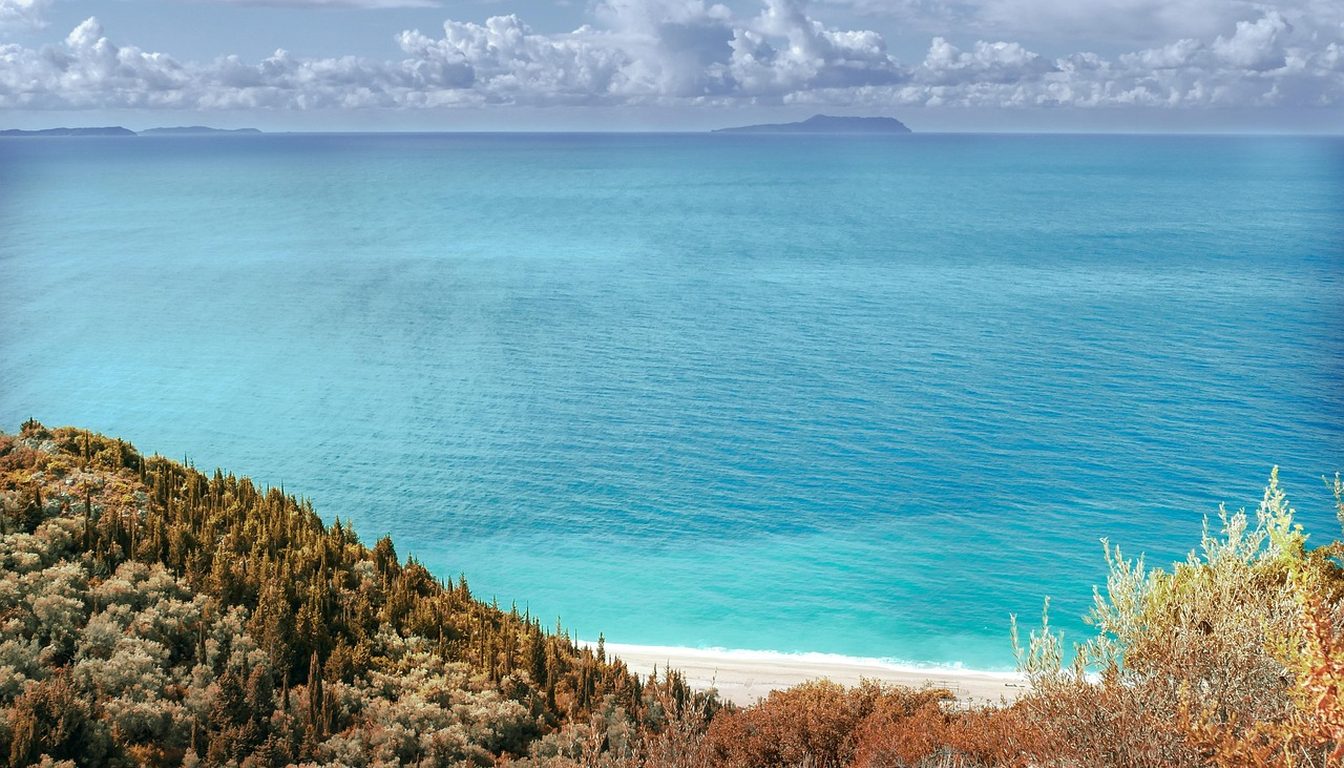
Every summer, millions fly to Europe’s most famous cities while Albania’s Riviera sits quiet even as Croatia’s coast fills with tour buses. The factors that keep a destination off the map are fragile, and the shift from obscurity to overcrowding can happen in just a few seasons. What appears to travelers as a fortunate discovery is actually the result of specific structural conditions: limited transport links, modest marketing budgets, and the absence of globally recognizable landmarks. When those conditions change, the transformation is swift.
Destinations across Europe can move from relative obscurity to headline-grabbing hotspots almost overnight. The pattern is consistent. A regional airport adds international routes, a streaming series features a medieval town, or social media attention reaches a tipping point—and suddenly, the quiet rhythm of a place shifts. For operators, this means guessing which alternate destination will crater under demand before you’ve invested in a season of inventory.
The Structural Barriers That Keep Places Off the Tourist Map
Limited air links and weak marketing budgets don’t just inconvenience travelers—they funnel most European visitors to the same five cities. The European Parliament acknowledges limited tourism infrastructure, weak international air connectivity and low marketing visibility as factors keeping many rural and peripheral regions off the main tourist map, despite cultural or natural assets. But in practice, subsidies still chase the same old circuit—Venice, Barcelona, Prague.
Air connectivity forms the first barrier. Major European cities benefit from dozens of daily long-haul flights and serve as hub connections for hundreds of short-haul routes. Secondary cities and rural regions depend on regional airports with limited international service or require multiple connections through larger hubs.
Take Dubrovnik: you can arrive direct. Try reaching Kotor, Albania’s best-kept coast, and you’re routing through Belgrade or Rome.
A regional board in the Balkans might spend €200k annually on marketing while Paris spends €50m. No wonder the Balkans stays quiet—until a Netflix series changes everything overnight. Without a recognizable icon—a tower, a palace, a bridge that appears in films and postcasts—even historically significant places struggle to register in the mental maps of international travelers.
The absence of major cruise itineraries and low-cost airline routes restricts the flow of international visitors, even when local attractions are significant. Cruise ships follow established coastal circuits, and budget carriers prioritize routes with proven demand. A destination without either must rely on independent travelers willing to navigate regional transport—a smaller pool by definition.
Infrastructure matters too. Limited accommodation capacity, infrequent public transport and minimal visitor services can deter tour operators from including a destination in packaged itineraries. Low visitor numbers mean limited investment in infrastructure, which in turn discourages the transport links and marketing that would bring more visitors.
How Transport and Media Turn Hidden Gems Into Hotspots
Tourism researchers emphasize that low-cost airline routes and new transport connections can quickly change a destination’s visibility and visitor numbers by linking secondary European cities to major source markets. Ryanair adds a single Frankfurt-to-Krakow route, and suddenly a Polish city goes from regional secret to Instagram hotspot in one summer.
The European Commission’s smart tourism guidance highlights that digital marketing and influencers can rapidly reposition previously overlooked European cities and regions as trending destinations. Unlike traditional advertising campaigns that required substantial budgets, social media allows destinations to achieve wide reach through user-generated content, influencer partnerships and viral moments. The Faroe Islands got two Instagram-famous cliffs, and bookings went up 300% year-over-year.
The Game of Thrones effect in Dubrovnik illustrates how popular culture can drive sharp increases in international visitation almost overnight. Destinations featured in streaming series, films or viral social media content experience visibility shifts that would have taken decades to achieve through conventional tourism promotion. The Croatian city saw visitor numbers surge so rapidly that authorities introduced daily caps and timed access to manage the strain on infrastructure and local life.
CNN Travel reports that travel advisors now recommend so-called “parallel destinations” in Europe—places offering similar experiences to famous hotspots but with fewer crowds. Slovenia as an alternative to Tuscany, Trogir instead of Split. These recommendations reflect both traveler frustration with overcrowding and the industry’s recognition that visibility patterns are shifting.
Lake Bled was that alternative five years ago. Today, tour buses clog the parking lot by 9 a.m. The Faroe Islands are next.
Digital marketing strategies now enable destinations with minimal budgets to achieve wide reach, accelerating the visibility shift. A regional tourism board can partner with content creators, run targeted social campaigns and monitor real-time engagement in ways that were impossible a decade ago. The window between obscurity and mass awareness has compressed.
The UNESCO Effect and the Paradox of Recognition
UNESCO warns that the inscription of a site on the World Heritage List can cause a sharp increase in visitation, requiring careful management to prevent strain on local infrastructure and communities. The very recognition meant to protect cultural and natural heritage often triggers marketing momentum that brings crowds the designation was intended to help manage sustainably.
When Ohrid got UNESCO status in 1979, it was a regional lake town; by 2020, tour boats were lined up six deep.
The window between inscription and overcrowding has shortened as global travel grows and digital sharing accelerates discovery. In the past, heritage recognition might have led to gradual increases in visitation over years, allowing communities and authorities time to adapt infrastructure and management systems. Today, the response can be immediate—social media posts from early visitors reach global audiences, booking platforms highlight the new designation, and visitor numbers spike before management plans can be implemented.
UNESCO inscribes a site, tour operators immediately add it to packages, and the local municipality scrambles to build parking and toilet facilities after the damage is done. Tourism boards promote World Heritage status in campaigns, airlines add routes to serve expected demand, and tour operators develop packages around newly inscribed sites. The paradox is real: the tools designed to safeguard heritage can inadvertently accelerate the pressures that threaten it.
UNESCO now emphasizes that heritage designation must be paired with sustainable tourism planning from the outset. The organization’s sustainable tourism program evolved to encourage destinations to integrate tourism into broader cultural and community planning rather than treating visitor growth as automatically positive. For sites moving from obscurity to international recognition, this means developing visitor management strategies, community engagement mechanisms and infrastructure investment before the crowds arrive—not after.
Parallel Destinations and the Search for Alternatives
Travel advisors increasingly recommend parallel destinations such as Slovenia instead of Tuscany or Trogir instead of Split to help travelers avoid crowds. The concept reflects both traveler desire for authentic experiences and official efforts to relieve pressure on overtourism hotspots. These alternatives offer similar landscapes, cultural depth and climate but with significantly lower international visitor density—at least for now.
Forbes identifies several European locations such as the Azores, Bratislava and northern Greece as underrated destinations that are less visited by international tourists despite significant attractions. Time Out lists Plovdiv in Bulgaria, Villach in Austria and Gerês in Portugal among Europe’s most underrated travel destinations, highlighting that they receive fewer international visitors than better-known counterparts.
The Azores saw 250,000 international visitors in 2019; Madeira got 1.2 million. The gap is shrinking fast: TAP added three new routes in 2023. The Portuguese archipelago offers volcanic peaks that rise 3,000 meters from sea level, thermal springs and Atlantic coastlines that rival the Canaries or Mediterranean islands. Yet international visitor numbers remain a fraction of what comparable destinations receive, largely due to more limited air connectivity and lower marketing visibility.
Slovenia was once the quieter alternative to more famous Alpine and Mediterranean destinations. Today it’s featured in major travel publications, sees growing visitor numbers and faces its own emerging management challenges in popular areas. Lake Bled now has daily visitor caps. Parking is chaos. Restaurants have cut hours because staffing is impossible. That’s the trade-off of being marketed as a quieter alternative.
European tourism policy actively promotes lesser-known areas as a strategy to disperse demand and spread economic benefits. EU strategies emphasize regional diversification and highlight the promotion of rural and lesser-known urban areas as a way to balance economic benefits and reduce concentration in a few famous destinations. The approach makes sense from a policy perspective—spreading visitors across more destinations can reduce pressure on overtourism hotspots while bringing income to peripheral regions. But it also accelerates the visibility shift for those under-the-radar places being promoted.
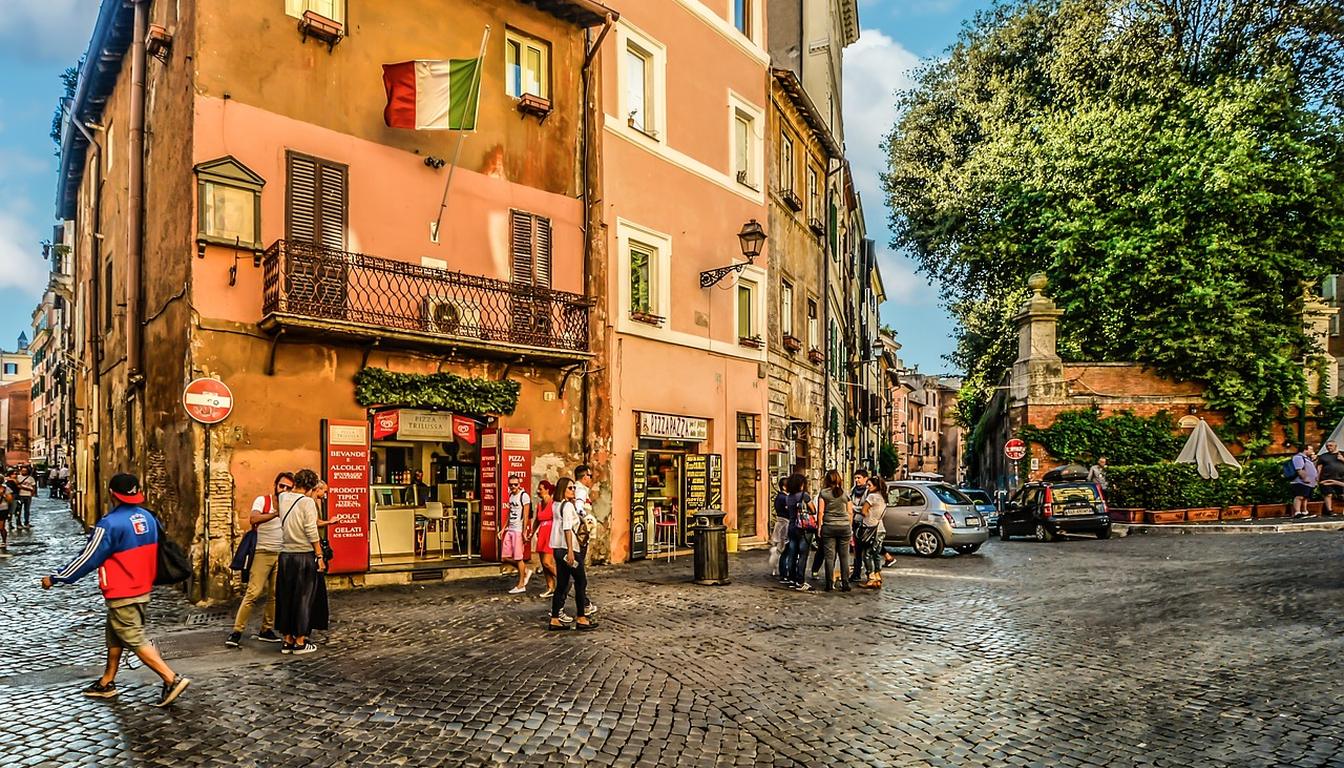
For a full multi-day plan in Rome, see First-time visitor’s guide to Rome in 4 days.
The Overtourism Context: Why the Under-the-Radar Phase Is Shorter Now
Venice flooded. Barcelona’s residents protested in streets. Dubrovnik capped cruise ships. Now European capitals finally care about overtourism. The phenomenon reflects broader patterns: global travel growth, concentration of visitors in a limited number of destinations, and the compression of tourism into shorter peak seasons. These pressures shape how quickly lesser-known places move from obscurity to overcrowding.
Authorities and communities now introduce visitor caps, timed ticketing and differentiated pricing as soon as demand begins to surge. Many European destinations use these tools to manage sudden increases in demand once a place becomes widely known. The shift represents a fundamental change in destination management—rather than allowing visitor numbers to grow unchecked until crisis conditions force intervention, authorities now act preemptively when they see visibility indicators trending upward.
Authorities and communities now introduce visitor caps, timed ticketing and differentiated pricing as soon as demand begins to surge.
The historical pattern of slow, decades-long tourism growth has been replaced by rapid visibility shifts measured in months or a few seasons. Mass European tourism expanded sharply from the 1960s onward, first concentrating on a limited set of coastal and cultural hotspots before progressively spreading to secondary destinations as transport and incomes grew. That gradual diffusion allowed infrastructure and communities to adapt incrementally.
Today’s dynamics are different. A destination can move from regional favorite to international hotspot within a single summer season if the right combination of media exposure and transport connectivity clicks into place.
European Union strategies emphasize regional diversification to balance economic benefits and reduce concentration in famous destinations. UNWTO notes that lesser-known destinations are increasingly promoted as part of strategies to disperse demand away from overcrowded hotspots and to extend tourism benefits to wider regions. The policy intent is sound, but it means that under-the-radar status is now actively being targeted and dismantled through coordinated promotion.
A destination now moves from unknown to capacity-constrained in 3–5 years instead of 15–20. That’s the new timeline. Destinations that might once have remained quietly popular with regional visitors for decades can now find themselves thrust into international visibility within a few years. The concept of overtourism emerged in European debate in the 2010s as cities like Venice, Barcelona and Dubrovnik experienced unprecedented visitor pressure, prompting interest in promoting lesser-known alternatives. That interest has translated into action.
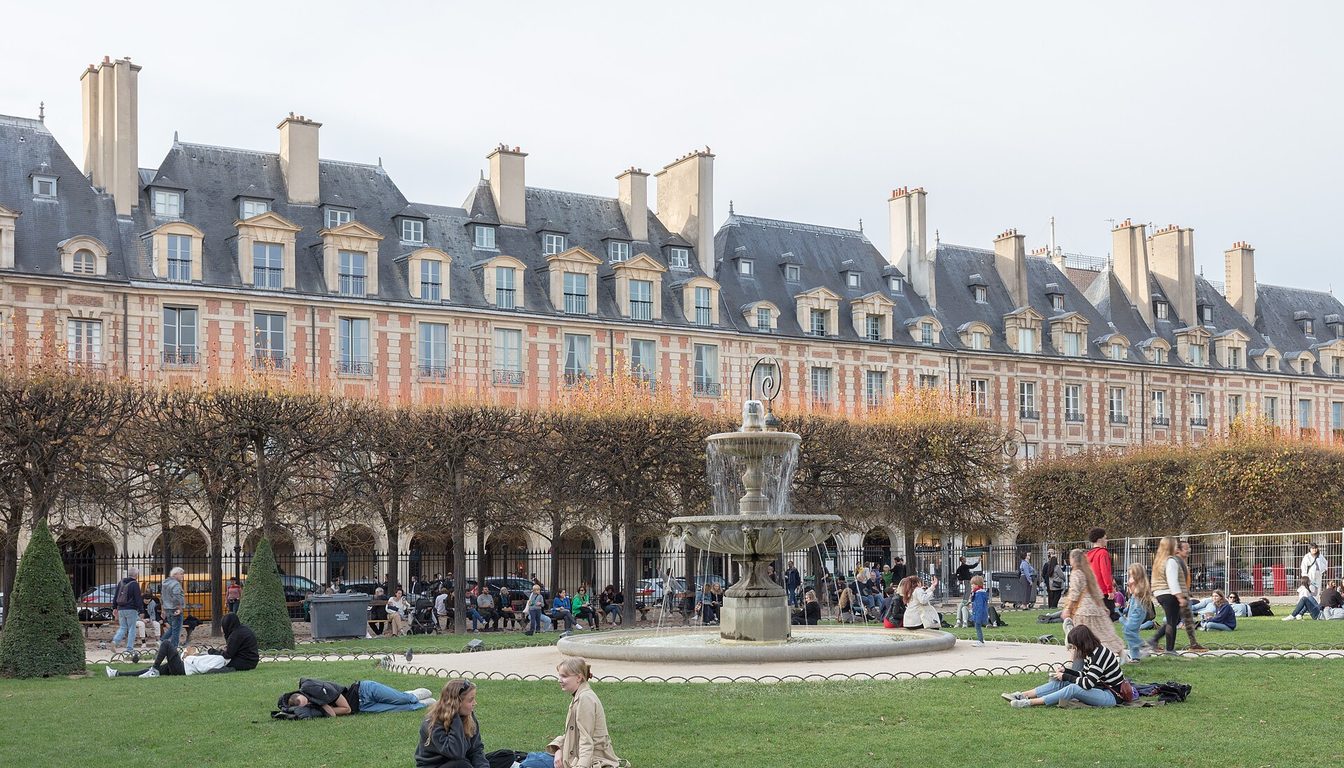
For a full multi-day plan in Paris, see Best things to do in Paris in 3 days: a curated itinerary.
Common Misconceptions About Lesser-Known European Places
The belief that under-the-radar destinations will stay uncrowded for years is contradicted by research showing rapid visibility shifts. When travelers discover a quiet destination and assume it will remain that way, they’re often surprised to return a few years later and find crowds, higher prices and visitor management measures in place. The pace of change has accelerated, and the historical pattern of gradual tourism development no longer applies in most cases.
Lesser-known cities are not automatically cheaper—prices can rise quickly as demand increases and accommodation capacity is limited. The OECD notes that prices in smaller or emerging destinations can rise quickly as demand increases and capacity is limited. A provincial town with fifty hotel rooms can see rates surge when a sudden influx of visitors overwhelms limited supply, sometimes reaching or exceeding prices in better-known cities with more elastic capacity.
The assumption that peripheral regions always have availability is false; limited infrastructure means shortages can occur as visitor numbers spike. European policy studies find that peripheral regions often have limited accommodation and transport capacity, so sudden spikes in demand can lead to shortages unless travelers plan ahead. The very factors that kept a destination under the radar—minimal infrastructure, limited services—become constraints when visitor numbers begin to grow.
Avoiding famous cities alone does not guarantee sustainable travel; how tourism is managed matters more than where it occurs. UNWTO explains that sustainability depends on how tourism is managed, not just where it occurs, and that dispersing visitors to lesser-known areas must be paired with careful planning to avoid simply shifting pressures elsewhere. A small town with fragile historical fabric or limited water infrastructure may be more vulnerable to tourism pressure than a large city with robust visitor management systems, even if the absolute numbers are lower.
Practical Considerations for Travelers and the Industry
Secondary destinations are often reached via regional airports or rail links, requiring travelers to route through larger hubs. The journey may involve a morning flight to a major city, a few hours in transit, then an afternoon train or regional flight to the final destination. This adds time and complexity compared to flying directly into a well-connected hub, but it’s the structural reality for much of Europe beyond the main tourist circuits.
Visiting in shoulder seasons helps avoid emerging crowding and pressure on local services as destinations gain popularity. Because lesser-known destinations can rise in popularity quickly after media exposure, visiting in shoulder seasons—spring and autumn—can help avoid emerging crowding and pressure on local services. You’ll also experience the destination more as local residents do, outside the compressed peak periods when visitor numbers spike.
Visiting in shoulder seasons helps avoid emerging crowding and pressure on local services as destinations gain popularity.
Book your guesthouse now or you won’t sleep anywhere. The train runs twice daily, and it’s full by noon in summer. In many under-the-radar regions, tourism is still closely intertwined with everyday local life, and the capacity to absorb sudden visitor increases is constrained. Checking local transport schedules and researching opening hours for attractions prevents logistical frustrations and supports better planning by local providers.
Tourism in underrated areas remains intertwined with local life, making respect for customs, noise norms and public space particularly important. In a large tourism hub, visitor flows are expected and infrastructure is built to channel them. In smaller destinations, tourism may still represent a modest share of economic activity and public space is primarily used by residents. Awareness of local norms around noise, dining hours, appropriate behavior in religious sites and use of residential streets becomes more important in these contexts.
Industry professionals should monitor transport connectivity, marketing momentum and policy signals to anticipate which destinations will exit the under-the-radar phase. Watching for new low-cost routes, observing social media engagement metrics around emerging destinations and tracking EU or national tourism promotion priorities can provide early indicators of visibility shifts. For operators, this means opportunities to develop new products around emerging destinations before they become saturated. For travelers, it means understanding that today’s quiet alternative may require advance planning and visitor management awareness sooner than expected.
European tourism policy documents stress that promoting lesser-known areas can help reduce seasonal peaks in well-known destinations and spread economic benefits across regions. The strategy makes economic and environmental sense, but it fundamentally changes the dynamics of what we think of as under-the-radar. These destinations are increasingly targets of active promotion rather than accidental discoveries, and the industry should adjust expectations about how long that window of obscurity lasts.
The reality is that structural barriers—limited air links, modest marketing budgets, absence of global icons—can dissolve quickly when low-cost carriers add routes, when a destination features in popular media, or when policy initiatives prioritize promotion. For travelers seeking authentic experiences away from crowds, the strategy isn’t to find the one place that will stay hidden forever. It’s to understand the dynamics that create visibility, to travel with awareness of how your presence contributes to those dynamics, and to support destinations managing growth responsibly rather than simply chasing the next undiscovered place.