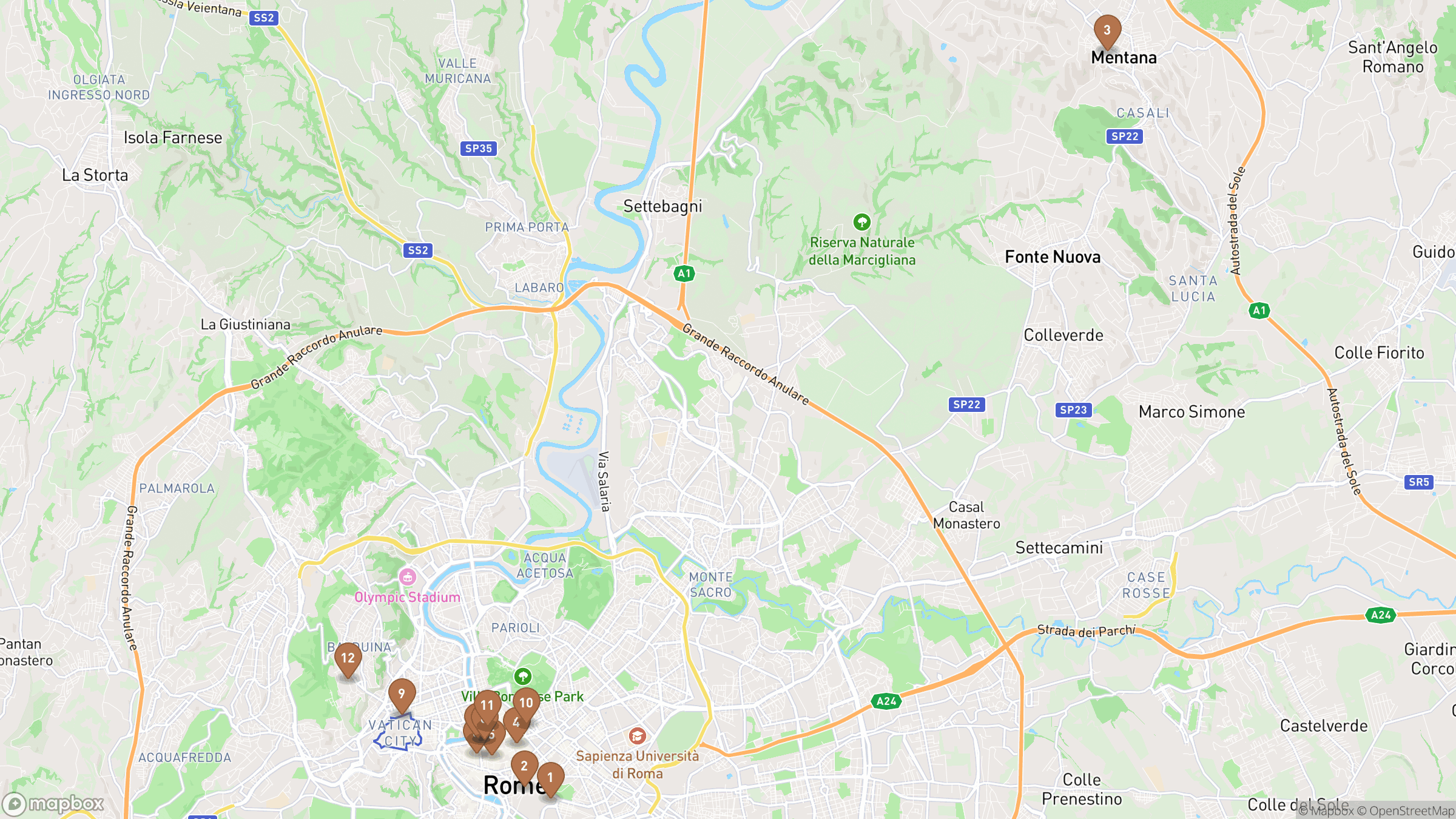
At-a-Glance
Ancient Rome—Colosseum, Forum, and Palatine Hill
- Colosseum
- Roman Forum
- Palatine Hill
Baroque Historic Center—Trevi, Pantheon, and Piazza Navona
- Trevi Fountain
- Pantheon
- Piazza Navona
- Sant'Ignazio
Vatican City—Museums, Sistine Chapel, and St. Peter's Basilica
- Vatican Museums
- Sistine Chapel
- St. Peter's Basilica
Villa Borghese and Galleria Borghese (or Flexible Reserve Day)
- Galleria Borghese
- Villa Borghese
- Baths of Caracalla
- Appian Way
- Capitoline Museums
First-Time Visitor’s Guide to Rome in 4 Days
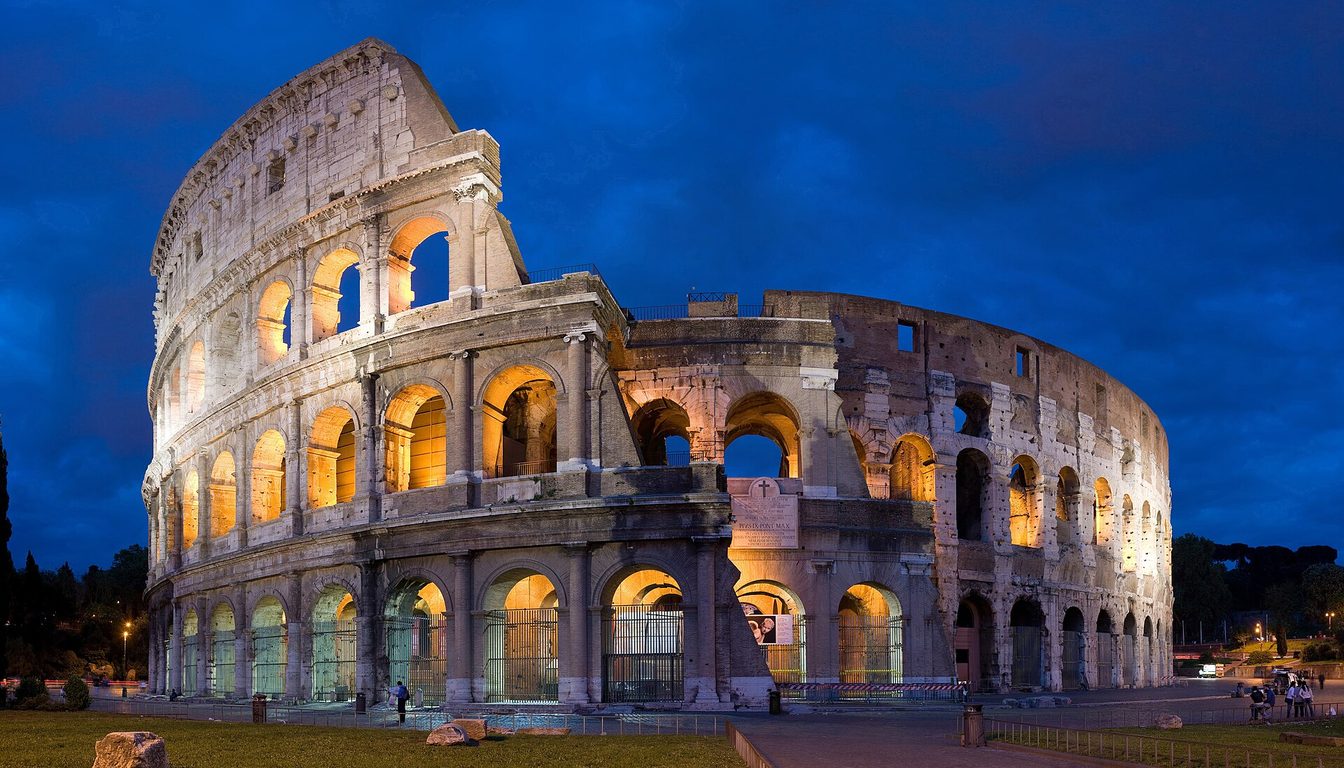
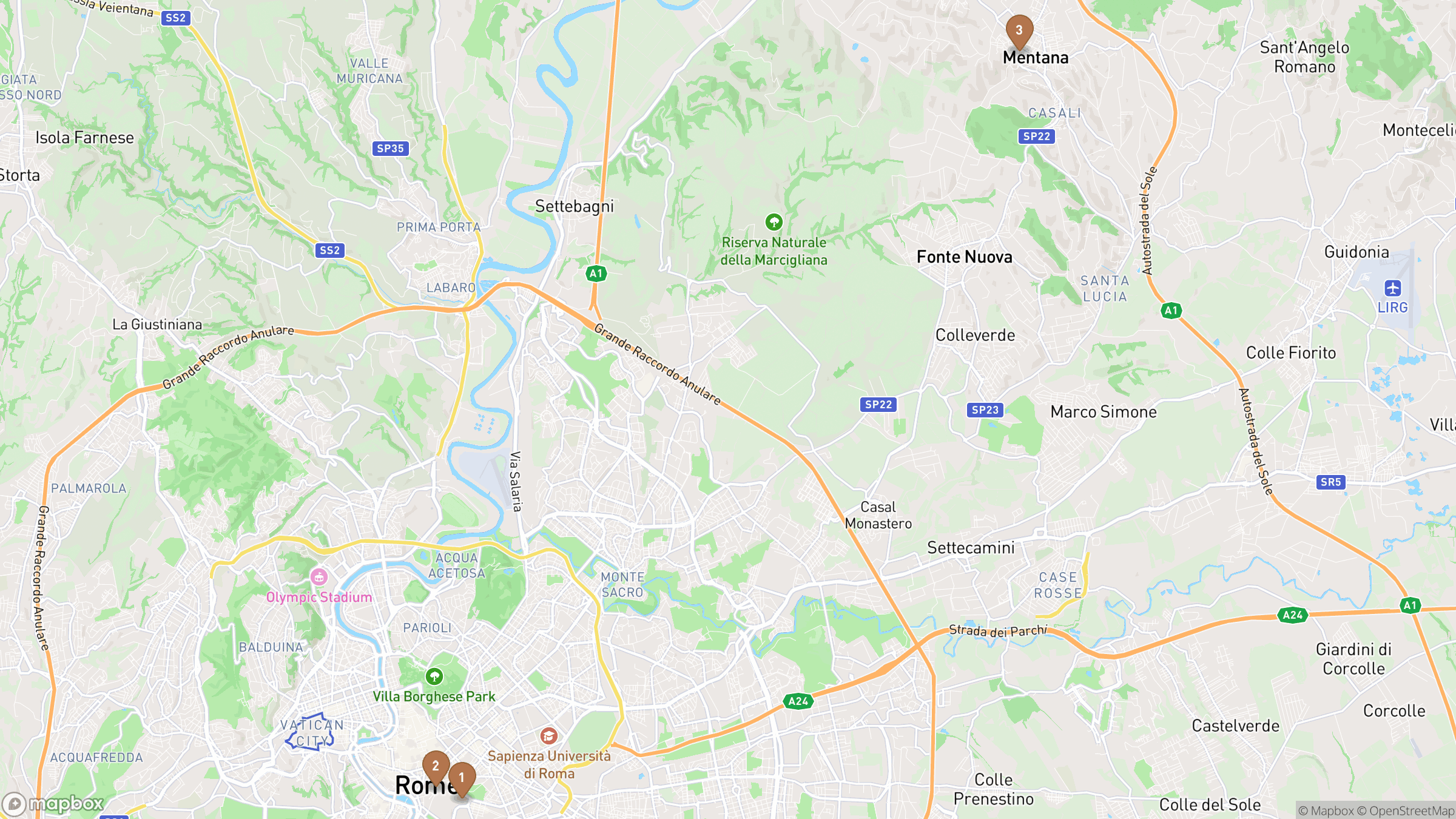
Rome rewards first-time visitors who prioritize the Colosseum and Vatican early, then slow down in the Baroque center to absorb the layering. Four days gives you enough time to hit the major historic and religious landmarks without rushing, as long as you book timed tickets weeks ahead and plan walking circuits that make sense geographically.
This guide lays out a day-by-day structure with practical advice on transport, dining customs, and common planning mistakes. The goal is a manageable introduction to 2,700 years of history—structured enough to cover the essentials, flexible enough to let you wander when something catches your eye.
Day 1: Ancient Rome—Colosseum, Forum, and Palatine Hill
The Colosseum, Forum, and Palatine sit within walking distance, so one morning covers the core of ancient Rome. The three sites share a combined ticket and timed-entry system. Book timed tickets for the Colosseum and major sites weeks ahead—same-day slots sell out by mid-morning in peak season.
Start at opening time, 8:30. You’ll beat the midday heat and the tour-group crush. Allocate three to four hours minimum for the entire archaeological area; the Palatine offers panoramic views over the Forum and is often emptier than the Colosseum, making it the best place to pause and take in the scale of what you’re standing in.
Wear comfortable walking shoes for uneven cobblestones and bring sun protection—most of the site is exposed with minimal shade. Avoid rushing from temple to triumphal arch; the Forum rewards slow exploration. Many visitors underestimate the physical demands of the archaeological area. Pacing yourself on Day 1 sets a sustainable rhythm for the rest of your trip.
Day 2: Baroque Historic Center—Trevi, Pantheon, and Piazza Navona
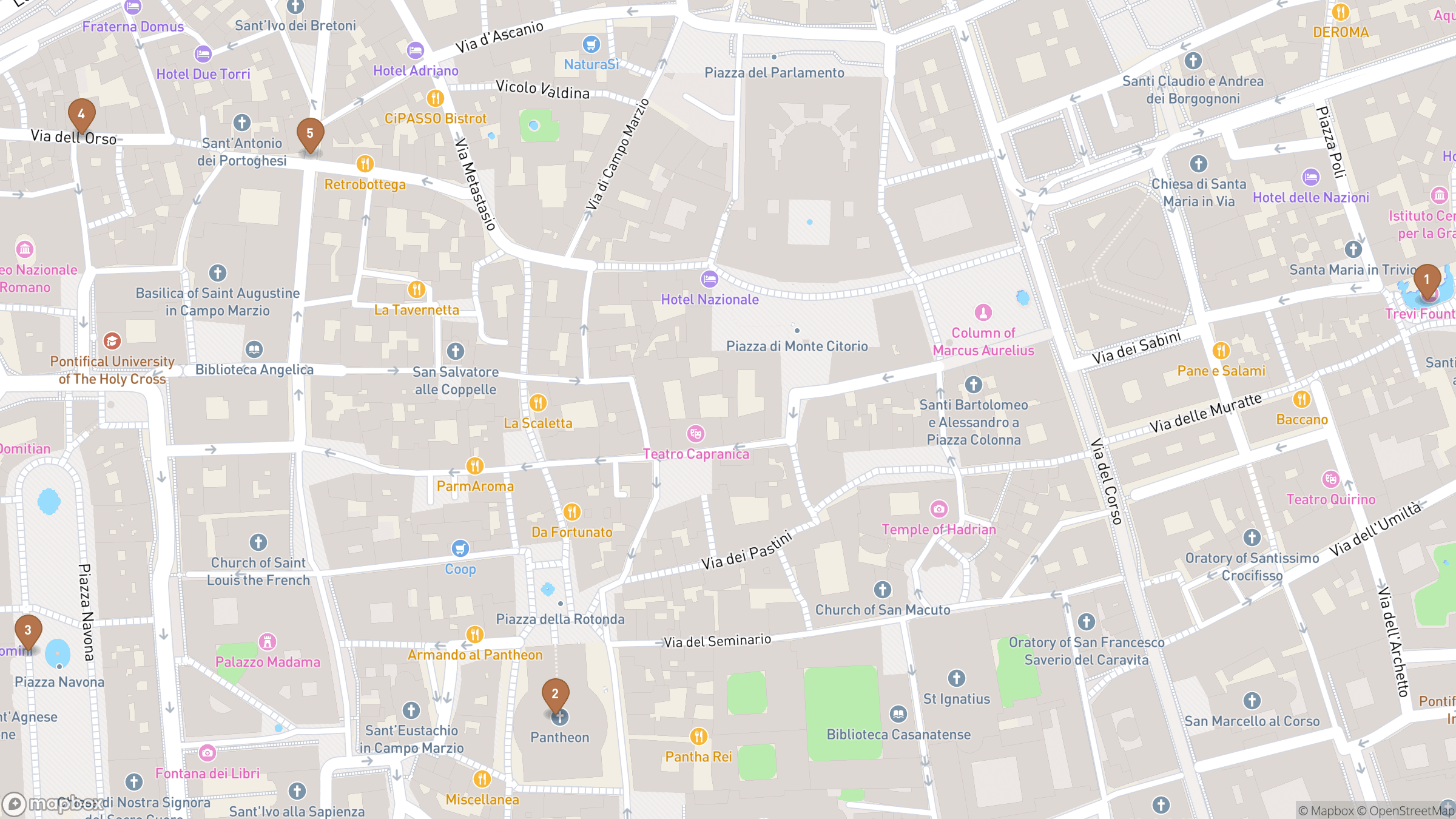
Group central Baroque landmarks into one walking circuit: the Trevi Fountain, Pantheon, and Piazza Navona lie within fifteen minutes of each other on foot. This is an ideal day for exploring Rome’s historic heart at a slower pace than the archaeological sites demand.
The Pantheon opens at 9:00—arrive then to see Hadrian’s dome before tour groups fill the space. Entry is managed and capacity fills by mid-morning. The Trevi Fountain draws crowds throughout the day, making timing practical. Early morning or late evening offer better photo opportunities and room to move; midday visits mean navigating dense groups and limited vantage points.
Cut through Via dell’Orso and Via della Scrofa between Trevi and Piazza Navona—quieter, better cafes, no tour-group crowds. Sant’Ignazio’s ceiling fresco is worth 10 minutes of detour; the church is always quieter than the piazzas around it. Allow time to wander without strict schedules—the historic center rewards spontaneous discoveries of hidden courtyards, neighborhood fountains, and small galleries tucked into Renaissance palazzos.
If you need more detailed planning support for museum entries during your stay, you can find Pantheon ticket information for timing and logistics.
Day 3: Vatican City—Museums, Sistine Chapel, and St. Peter’s Basilica
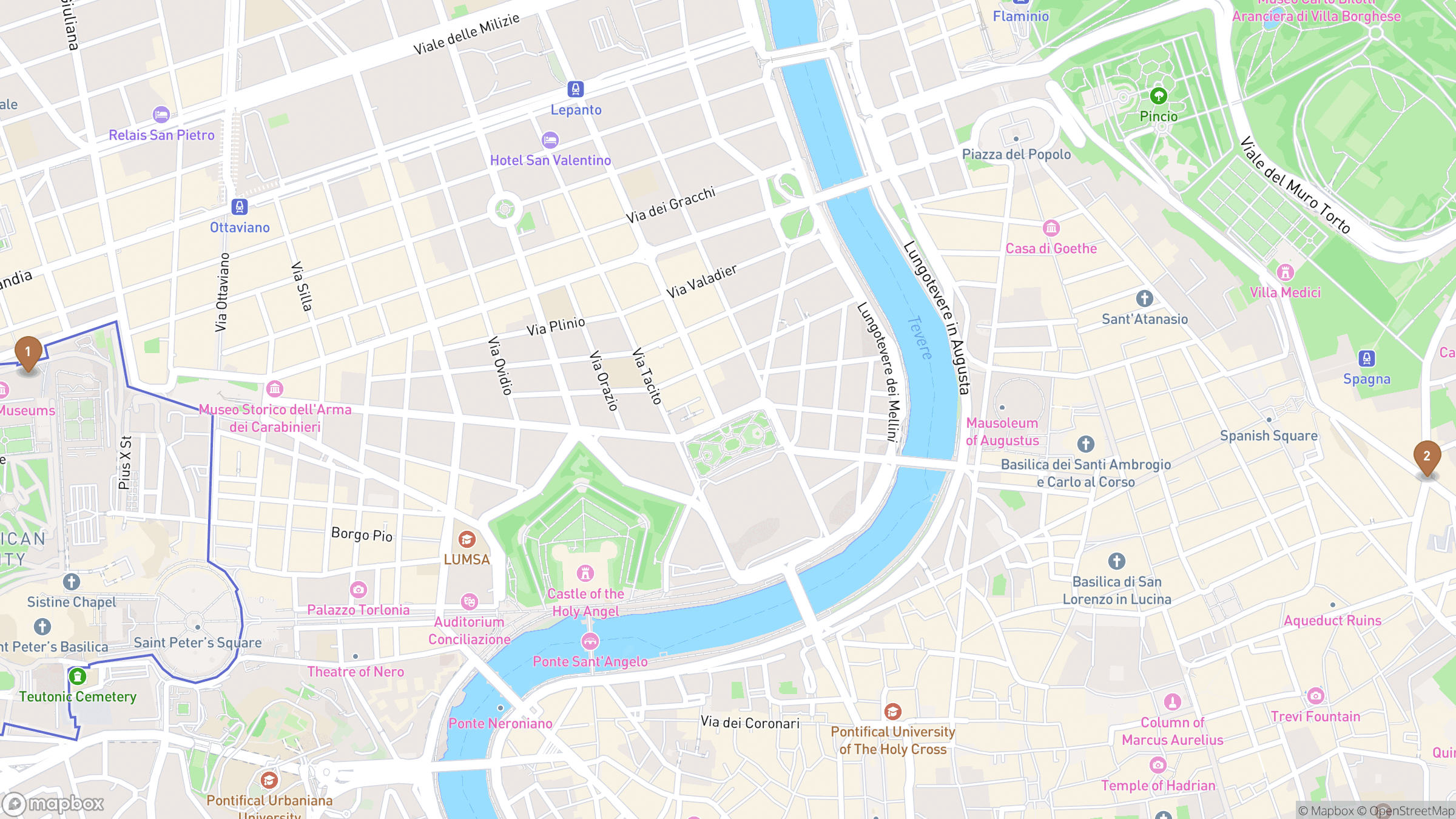
Reserve timed-entry tickets for the Vatican Museums well in advance; the Sistine Chapel is accessed only through the museums, not separately, which often surprises first-time visitors. Book a timed morning slot on a weekday—skip the free Sunday opening unless you have no other option, because you’ll be herded through in half the time.
 Photo: User:MatthiasKabel / Wikimedia Commons, CC BY-SA 3.0 (cropped)
Wear pants or skirts that hit the knee and a shirt with sleeves—guards at St. Peter’s turn away bare shoulders without warning or second chances. Carry a light scarf or shawl to quickly meet requirements when moving between outdoor sites and religious interiors during your day of sightseeing.
Budget at least half a day for the Vatican complex. The museums alone house extensive collections spanning ancient Roman sculpture, Renaissance masterpieces, and modern religious art. Visit St. Peter’s Basilica separately from the museums; entry to the basilica itself is free but queues can be long by late morning. Arriving when the basilica opens at 7:00 offers the most serene experience, though this requires splitting your Vatican visit across two mornings.
Spend 20 minutes sitting in a side pew; standing and staring wears you out, and the dome’s proportions only click when you’re still.
Day 4: Villa Borghese and Galleria Borghese (or Flexible Reserve Day)
Book at least three weeks ahead; the gallery caps visitors at 100 per two-hour slot and summer dates vanish by early May. Bernini’s David and Caravaggio’s Self-Portrait are both here—small enough that you see brushwork close up, impossible in the Vatican’s cavernous halls.
 Photo: СССР / Wikimedia Commons, CC BY-SA 2.5 ca (cropped)
Villa Borghese itself offers green space, fountains, and viewpoints—ideal for a relaxed morning or afternoon after three intensive sightseeing days. Rent a rowboat on the small lake, visit the lesser-known museums scattered through the grounds, or simply find a shaded bench and watch Romans picnicking with their families.
Check opening hours the night before because most museums close Mondays and churches lock during midday services—it’s Rome’s least-discussed trap. Use Day 4 flexibly: revisit a favorite neighborhood, explore Trastevere or the Jewish Quarter, or catch any sites closed earlier in the week.
If you’ve already visited the Galleria Borghese or prefer a different pace, consider the Baths of Caracalla, the Appian Way archaeological park, or one of Rome’s lesser-known but excellent museums like the Capitoline Museums or Palazzo Altemps. Day 4 is your chance to follow personal interests rather than checking boxes on a standard itinerary.
Getting Around Rome: Public Transport and Walking Strategies
Rome’s public transport includes metro lines A, B, and C, buses, trams, and suburban rail. Integrated tickets—BIT singles and day passes—cover multiple modes within their validity. Tickets must be validated at the start of each journey using machines on buses, trams, or metro station gates; failing to validate risks fines from roving inspectors.
Many central sights are walkable, but use metro or buses to connect distant areas like Vatican to Colosseum or Villa Borghese to save time and energy. Walking the full distance between major sites can easily take 45 minutes to an hour, and doing so repeatedly over four days leads to fatigue that reduces your enjoyment of the sites themselves.
The picturesque sampietrini cobblestones that define Rome’s historic streets look beautiful but punish feet after several hours—prioritize comfort over style when packing footwear. Allow extra time when moving between neighborhoods on foot; walking circuits work well in the historic center, but underestimating distances leads to rushing through sites or skipping things you’d planned to see.
Metro Line A connects the Vatican (Ottaviano station) with the Spanish Steps (Spagna) and continues to San Giovanni. Line B serves the Colosseum (Colosseo station) and connects to Termini, Rome’s main train station. Buses fill gaps where metro doesn’t reach, though they’re slower in traffic and routes can be confusing for first-time visitors.
Practical Tips: Dining, Dress Codes, and Cultural Norms
Dinner in Rome starts later than many countries. Restaurants open around 19:30, locals dine from 20:00–21:00 onward, and meals last several hours without waiters rushing the bill. Showing up at 18:30 often means finding shuttered restaurants or eating alone before the kitchen fully warms up.
In cafes and bars, expect a small supplement to sit at a table versus standing at the counter. This isn’t a scam—it’s standard practice and prices are usually posted. Service is usually included in restaurant prices; tipping is not obligatory and, when offered for particularly good service, is typically a small amount such as rounding up the bill rather than a fixed percentage. The myth that visitors must always tip 10–20% as in some other countries doesn’t reflect Italian custom.
Carry a light scarf or shawl to quickly meet dress-code requirements when entering churches and religious sites during sightseeing. This simple item—taking minimal space in a day bag—prevents the disappointment of being turned away from churches after walking across the city to visit them.
Watch out for pickpockets in crowded tourist areas and on public transport. Keep bags closed and in front of you; avoid carrying all valuables in one place. The Italian State Police provide guidance on protecting valuables while traveling. Common-sense precautions—closed bags worn in front, avoiding back pockets for phones and wallets, not carrying passport unless needed that day—reduce risk significantly without requiring paranoia.
Advance Planning Essentials: Tickets, Timing, and Common Mistakes
Pre-book timed-entry tickets for the Colosseum, Vatican Museums, and Galleria Borghese through institutional channels. Same-day slots sell out, especially in high season. Booking two to three weeks ahead for summer visits or one to two weeks for shoulder seasons generally secures your preferred time slots.
Schedule major sites for early morning to reduce queueing, heat, and crowds—most open 8:30–9:00. Early starts also align with Rome’s climate; summer mornings offer comfortable temperatures before midday heat makes outdoor archaeological sites genuinely uncomfortable.
The Vatican Museums are generally closed on Sundays except for the last Sunday of each month, when they open with reduced hours. Planning a Sunday Vatican visit without checking the calendar can derail your itinerary; verify exact dates when booking.
Check opening days for specific museums and churches, especially Mondays and religious holidays, when some cultural sites may be closed or operate shorter hours. Building flexibility into your schedule allows you to adapt when you discover a site unexpectedly closed.
Beyond the Big Four: Optional Extensions and Neighborhood Exploration
Head to Trastevere after dark—guitars and accordion music spill from bars, locals drink wine in Piazza Santa Maria until midnight, and dinner stretches to 22:30. Skip Piazza Santa Maria entirely—go north into Via della Lungara and the residential blocks near San Cosimato, where Romans eat.
Walk through the Jewish Quarter for carciofi alla giudia fried artichokes, then sit at the Portico d’Ottavia and watch Romans walk through a 2,000-year-old colonnade on their way to lunch.
Aventine Hill provides quiet gardens, the famous keyhole view of St. Peter’s dome through the Knights of Malta gate, and the ancient church of Santa Sabina. This is Rome at its most serene—few tourists make the climb, despite the hill’s proximity to the Circus Maximus. The keyhole view is crowded now, but stepping up to it still stops you—the dome framed perfectly tiny and distant, like you’re looking through a spyglass.
Testaccio combines authentic food markets, nightlife, and the Protestant Cemetery where Keats is buried. The neighborhood feels working-class and genuine in a city where the historic center increasingly caters to visitors. The Mercato Testaccio offers food stalls serving lunch to market workers and neighborhood residents; arrive around 13:00 for the full experience of Romans on lunch break.
Four days covers the essentials. If you stay longer, skip one day of timed tickets and just walk—Testaccio’s market at lunch, Sant’Ambrogio’s piazza at sunset, streets with no names.