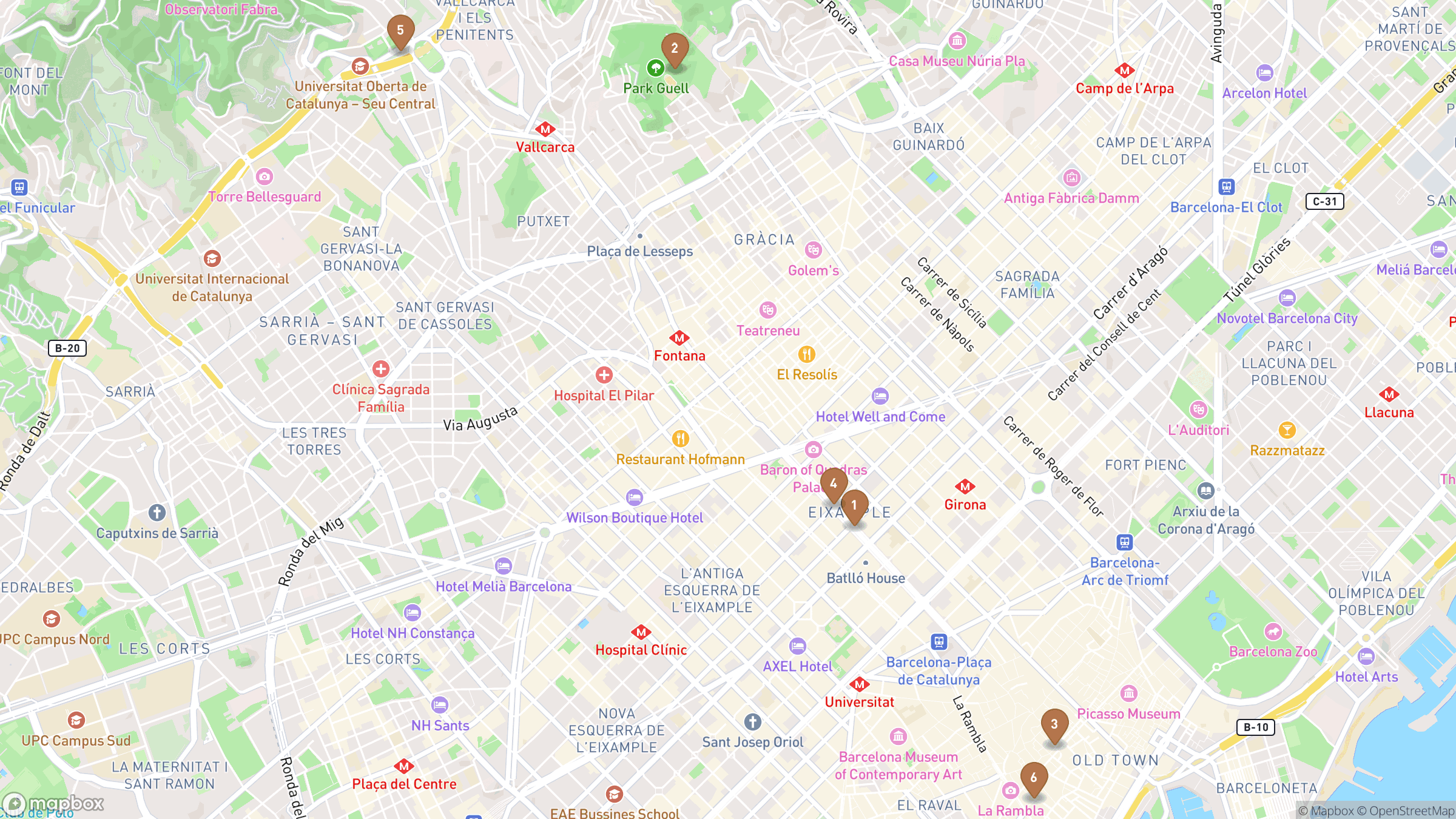
Barcelona Public Transport Explained: Metro, FGC, and TMB Passes
Most visitors waste money buying separate metro and bus tickets when one pass covers both—but only if you understand the 75-minute transfer window. Unlike cities where each mode of transport demands a separate fare, Barcelona has designed its system so that validating once opens the door to switching freely between rail, tram, and bus within a single journey window. The catch is knowing when that window expires, which lines run past midnight, and how to choose the right pass when you’re planning several trips across different days.
Most international travelers arrive expecting to buy a metro ticket for the metro and a bus ticket for the bus. That model does not match how Barcelona’s network operates.
A T-casual pass breaks even after three rides; if you’re taking more than that in a day, it’s cheaper than single tickets, and the 75-minute transfer window means a single validation can get you from the Gothic Quarter to Park Güell via metro and then bus.
Understanding Barcelona’s Integrated Fare System
One ticket or pass works across metro, FGC, buses, tram, and some funiculars within the same journey. Validate once, transfer freely between metro, bus, tram, and FGC within 75 minutes. After that, you need a new ticket.
The integrated network removes the need to buy separate tickets for each mode of transport. This design reflects how the city has long organized its urban mobility around a coordinated network of metro, tram, buses, and regional rail rather than a single-mode system.
Transfer rules apply as long as you stay within the validity window and don’t exit and re-enter the same station. Reversing your route or re-tapping at the station you just left typically breaks the transfer chain and invalidates the ticket for further use.
Use T-casual, T-familiar, or multi-day passes on any mode—metro, bus, tram, or FGC—without worrying about buying separate tickets. Each of these options is designed to work with the integrated network, so you don’t face the complexity of juggling different tickets for different operators.
Metro vs FGC: Which Rail Network to Use
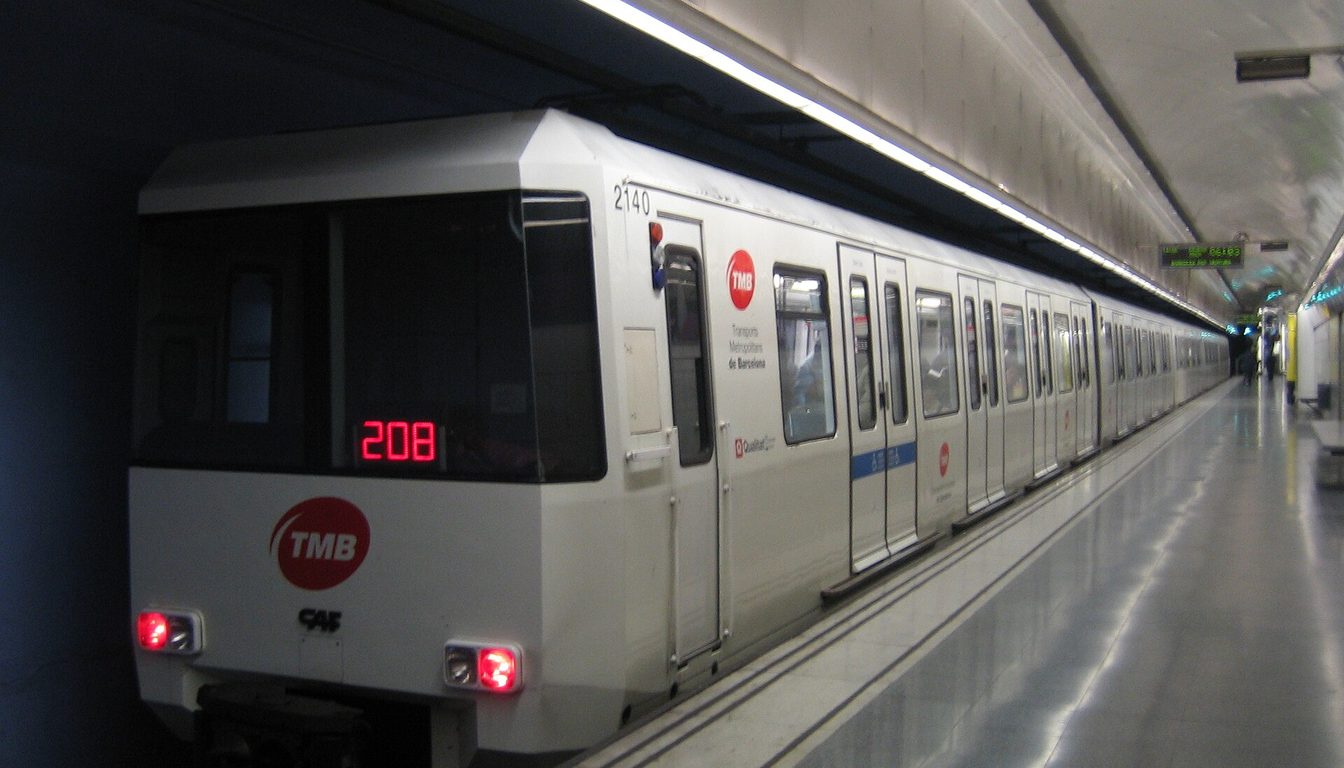
TMB operates the main metro network covering central Barcelona and connects major tourist districts. The metro runs every 2–5 minutes during the day, making it faster for central districts like Eixample and the Gothic Quarter, where FGC has fewer stops.
 Photo: Enric / Wikimedia Commons, CC BY 4.0 (cropped)
FGC (Ferrocarrils de la Generalitat) runs suburban and urban rail lines that reach outlying neighborhoods and towns. While FGC operates fewer lines within the city limits, it becomes essential when traveling to destinations that lie beyond the metro’s reach or when you want a faster connection to certain hillside areas. FGC is particularly useful for reaching destinations like Tibidabo or certain hillside neighborhoods, and it also connects Barcelona with towns in the metropolitan area.
Both networks accept the same tickets and passes under the integrated fare system. That means you can board an FGC train with the same T-casual card you used on the metro earlier in the day, as long as you’re within the transfer window.
The metro runs every 2–5 minutes on main lines and reaches the city center; use it for any trip under 15 minutes. FGC is faster only for Tibidabo or towns outside the city limits. Understanding the difference in coverage helps you choose the right line: metro for dense urban areas, FGC for trips that extend into the hills or the outskirts.
FGC service in Barcelona generally follows similar broad hours to the metro, with weekday and Sunday/public holiday service from 5:00 to midnight, Friday service to 2:00, and continuous service on certain nights before public holidays. This alignment in operating hours means you won’t face a different timetable simply because you switched from metro to FGC mid-journey.
For a full multi-day plan in Paris, see Best things to do in Paris in 3 days: a curated itinerary.
Operating Hours: When Trains Run Late (and When They Don’t)
Mon–Thu and Sun: 5:00–midnight. Fri: 5:00–2:00. Sat: 24 hours. Miss the last train and you’re paying for a taxi.
Friday service extends to 2:00, and Saturday nights offer continuous service. That means if you’re out late on a Friday, you have an extra two hours compared to a Wednesday. On Saturdays, trains run all night, so you can return from a late dinner or concert without worrying about the cutoff.
FGC follows a similar pattern with extended Friday hours and continuous service on certain holiday eves. Service patterns differ by weekday, weekend, and holiday, so checking schedules before late-night travel is essential. Not all lines or stations follow identical timetables, especially on holiday eves, and some suburban routes may have slightly different cutoffs even when the core network runs continuously.
Service hours vary by day. Check your line’s schedule before planning a late night, or you’ll miss the last train and pay for a taxi.
Choosing Between Single Tickets and Multi-Journey Passes
A single ticket costs ~€2.50. A T-casual pass (10 rides) costs ~€11.35, so it breaks even after 5 rides. If you’re staying more than a day, buy the pass.

If you’re taking 5+ trips in a day, buy a T-casual. If you’re staying 3+ days and moving between neighborhoods daily, buy a T-familiar.
Because the integrated network allows transfers, a single validation on your pass can carry you through multiple legs of a journey. That flexibility makes passes attractive even if you’re mixing short metro hops with longer bus rides or tram connections.
One validated pass covers all modes in a single 75-minute window—metro, then bus, then tram, as many as you can fit.
TMB publishes the official fare structure for metro and bus services. Consulting that information before you arrive helps you compare the cost per ride on a pass versus the cost of a single ticket. Compare your planned number of rides against pass options to determine the most economical choice. If you’re unsure whether a pass makes sense, count the number of metro, bus, and tram trips you expect to take and do the arithmetic against the single-ticket rate and the pass rate.
Each pass serves a different use case: single tickets for one-time travel, T-casual for residents or frequent short-term visitors, T-usual for commuters, and T-familiar for groups or families traveling together. Knowing which category matches your itinerary prevents overpaying or running out of credit mid-trip.
How the Transfer Window Actually Works
The 75-minute transfer window starts when you validate, not when you board. So if you validate and wait 10 minutes for a train, you’ve used 10 minutes already. Plan accordingly.
You can switch between metro, FGC, bus, and tram without paying again during the window. The system treats a journey as one linked sequence—no backtracking or re-entering the same station, or the ticket is void.
Exit and re-enter the same station and your transfer is dead—you’ll need a new ticket. The network is designed to support linear journeys with logical connections, not round trips on the same ticket. If you exit a station, realize you forgot something, and try to re-enter, the system will reject the transfer because it interprets the action as a new journey rather than a continuation.
Plan multi-leg journeys carefully to stay within the time limit. If you need to combine metro, bus, and tram to reach a destination on the city’s edge, map the route in advance and estimate travel time for each segment.
Build in a 5-minute buffer. If a tram is late and you miss the window, you pay again—the system doesn’t give grace periods.
Common Misconceptions About Barcelona’s Transport Network
Wrong: a metro ticket is metro-only. Right: one validated ticket works on metro, bus, tram, and FGC within 75 minutes. Treating your metro ticket as a metro-exclusive pass leaves value on the table and forces you to buy separate tickets when a simple transfer would have worked.
Public transport does not stop at the same time every night; hours vary by day of the week and holidays. All Barcelona public transport stopping at the same time every night is a myth. Service hours vary by weekday, weekend, and holiday, and some metro and FGC services run until 2:00 or continuously on specific nights. Assuming uniform closing times leads to missed last trains and unplanned taxi rides.
FGC is not a separate system—use the same ticket. Hop on metro at 10:00, hop on FGC at 10:15, and you’re good as long as it’s before 11:15.
Passes designed for tourists cover the broader network, not just one mode of transport. Multi-day tourist cards work across metro, bus, tram, and FGC, so visitors who buy a pass expecting metro access and then avoid buses because they think it’s not included are limiting their mobility without reason.
Practical Tips for First-Time Visitors
If you plan several rides in one day, a multi-journey pass is usually more economical than single tickets. Do the arithmetic before you leave your hotel: count the number of trips you expect to take, multiply by the single-ticket rate, and compare that total to the pass options. In most cases, a T-casual or multi-day pass breaks even after three or four rides, making it the better choice for anyone spending a full day moving between neighborhoods.
Before a late return, check whether your line follows Friday, Saturday, or holiday hours, since overnight service is not identical every day. Missing the last metro on a Thursday because you expected Friday hours is an avoidable mistake that costs time and money.
Missing the last metro on a Thursday because you expected Friday hours is an avoidable mistake that costs time and money.
Use TMB’s fare information to decide between single tickets and passes based on your itinerary. The fare page breaks down each option and explains which travel patterns suit each ticket type, removing guesswork from the decision.
The integrated design means you can metro to Plaça Reial, tram to the beach, and bus back to your hotel on a single validated pass—no separate tickets. Leveraging that integrated design means you can hop off a metro, catch a bus, and finish your journey on a tram without worrying about fare zones or separate tickets.
Keep your validated ticket until you complete all transfers within the one hour fifteen minute window. Don’t discard your ticket the moment you exit the metro. If you plan to board a bus or tram as part of the same journey, you’ll need to show or re-validate that ticket. Some travelers toss their ticket assuming it’s used up, only to find they need it again for the next leg and have to buy a new one.
For a full multi-day plan in Barcelona, see Barcelona in 3 days: beach, Gaudí, and tapas itinerary.
What TMB Does (and Why It Matters)
TMB (Transports Metropolitans de Barcelona) operates the metro and city bus network. When you see a metro entrance or a bus stop in Barcelona, you’re interacting with infrastructure managed by TMB. That makes TMB the authoritative source for fare structures, timetables, and service updates. If you want to know how much a pass costs, when a line opens, or whether service is running normally, TMB publishes that information.
TMB is the authoritative source for fare structures, timetables, and service updates. Relying on TMB data ensures you’re working with current information rather than outdated third-party guides or informal sources.
TMB functions as the main public operator associated with Barcelona’s metro and bus system information today. Understanding TMB’s role helps travelers access the most accurate and up-to-date transport information. When you check TMB’s fare page, you’re consulting the same reference that ticket machines and validators use to calculate fares and enforce transfer rules.
TMB fare information is the reference point when choosing how to pay for metro and bus travel. If you’re deciding between a T-casual and a single ticket, TMB’s published rates give you the numbers you need to make an informed choice. If you’re wondering whether a multi-day pass includes buses or just the metro, TMB’s documentation clarifies which modes each pass covers.
TMB fare information is the reference point when choosing how to pay for metro and bus travel.
Understanding TMB’s role also explains why some information appears on TMB’s website while other details about FGC or regional rail appear elsewhere. TMB manages the metro and buses; FGC operates separately but integrates its fares with TMB’s system. Knowing which operator runs which service helps you find the right source when you need schedule details or fare clarification for a specific line.