The Economics of Free Museums: London vs Paris vs Madrid
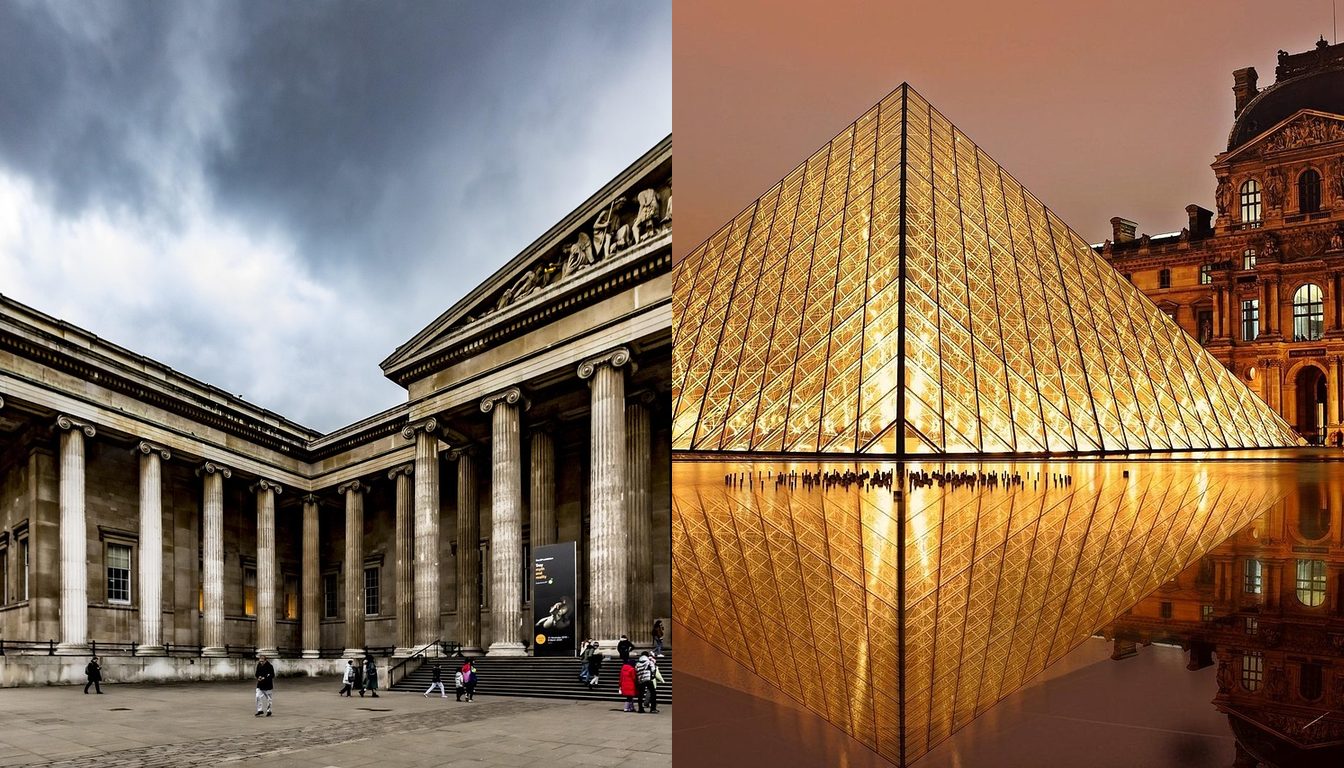
A family visiting London walks into the British Museum free; the same family queues for two hours at the Louvre on a free Sunday. That difference reveals not just pricing strategies but competing visions of who pays for public culture and how museums sustain themselves. London’s government funds its major museums so they charge no admission; Paris and Madrid make visitors pay but offer narrow free windows that often mean standing in brutal lines. Free entry in London draws crowds that strain conservation budgets; Paris’s paid model funds restoration but excludes budget travelers.
The debate is not simply free versus paid. London’s national museums rely on substantial public funding to eliminate admission charges for permanent collections, while Paris and Madrid use hybrid models that combine ticketed entry with strategic free windows and demographic exemptions. Each approach reflects distinct fiscal realities, policy commitments, and assumptions about the public value of cultural institutions. For travelers, these differences translate into practical decisions about when to visit, how much to budget, and which museums to prioritize.
London’s Free-Admission Model: How It Works
London’s government funds six major national museums—British Museum, National Gallery, Tate Modern, V&A, Natural History, Science—so they charge no admission. This policy is underpinned by substantial annual government funding via the UK Department for Digital, Culture, Media & Sport (DCMS), which channels taxpayer support to these institutions through a grant-in-aid mechanism. The explicit framing is clear: by removing price as a barrier, museums ensure they exclude no one and strengthen London’s position as a global tourism destination.
Free admission does not mean free operation. London’s national museums rely on a mixed funding model that combines DCMS grants with National Lottery revenues, private donations and sponsorship, and commercial activities such as museum shops, cafés, venue hire, memberships, and paid special exhibitions. The British Museum, for example, operates a thriving bookshop and hosts corporate events, while the Tate charges for blockbuster temporary shows that attract visitors willing to pay for exclusive content. This diversified revenue stream allows institutions to maintain quality, expand programming, and invest in conservation even while offering no-charge access to core collections.
Free permanent collections do not mean everything inside a London national museum is free. Income from paid temporary exhibitions is an important part of the financial model. A visitor might walk into the National Gallery at no charge but still purchase a ticket for a headline retrospective or loan exhibition.
A visitor might walk into the National Gallery at no charge but still purchase a ticket for a headline retrospective or loan exhibition.
Voluntary donations at entrance points in London museums form part of the funding mix but are not obligatory for admission. Visitors encounter donation boxes with suggested amounts, and some museums promote “pay what you wish” messaging to encourage contributions without creating a mandatory fee. In practice, these ‘suggested’ amounts (often £5–10) create social pressure; many visitors feel obligated to donate even though nothing is required.
The UK policy is explicitly framed as a way to ensure that museums, being free, exclude no one and strengthen the city’s tourism offer. This reflects a broader governmental commitment to universal cultural access, formalized through grant-in-aid funding structures that prioritize free permanent collections. The model positions London’s museums as public goods, accessible to residents and international visitors alike, and reinforces the city’s reputation as a cultural capital where world-class collections are open to all.
Paris and Madrid: The Ticketed Model with Strategic Free Windows
Flagship museums in Paris and Madrid charge standard entry but provide regular free time windows and permanent exemptions for certain categories. The Louvre in Paris normally charges an admission fee, but offers free entry for all visitors on the first Sunday of the month between October and March, and free admission year-round for visitors under 18. Free Sundays at the Louvre draw brutal queues, but the policy does ensure low-income visitors can see the collections.
Madrid’s Museo Nacional del Prado operates a similar hybrid model. The museum charges a standard admission fee but offers free entry for all visitors Monday to Saturday from 18:00 to 20:00 and Sundays from 17:00 to 19:00, with permanent free access for categories including visitors under 18 and students under 25. The Museo Nacional Centro de Arte Reina Sofía also normally charges admission but provides free entry during specific evening hours (for example, from 19:00 to 21:00 on certain days) and permanent free access or reductions for under-18s, over-65s, students, and unemployed visitors. For budget-conscious travelers, these free windows offer a way to experience Madrid’s museums without paying full admission, provided they can visit during the designated hours.
Paris charges entry but opens the Louvre free on first Sundays—you save money but lose three hours in line, so it’s only worth it if you have time. The financial logic is straightforward. By charging most visitors most of the time, museums in Paris and Madrid retain greater control over earned income and reduce their dependence on public subsidy. Free windows and exemptions serve social and political goals—ensuring that students, children, and low-income visitors can access collections—without eliminating the revenue stream that ticketed entry provides. This approach reflects a different set of priorities than London’s model: fiscal sustainability through user fees, balanced with targeted free access for specific groups and times.
The Economic Case for Free Entry: Spillovers and Social Value
A school group entering the British Museum free learns history; that education benefits society beyond what a ticket would capture, so London taxpayers effectively subsidize schoolchildren’s learning. In other words, the social benefits of museum access—improved education, stronger cultural identity, enhanced social capital—are greater than the private value captured by ticket sales. When admission fees reflect only individual willingness to pay, they under-price the broader public good that museums generate.
This argument aligns private use with social value by using public subsidy to lower or eliminate admission charges. Free museums strengthen tourism ecosystems by acting as anchor attractions that drive spending in hotels, restaurants, and retail. Free British Museum entry draws families who might skip London entirely; they stay three extra nights, spend £1,000+ on hotels and meals, offsetting the £0 ticket revenue.
In theory free entry is egalitarian; in practice, central London location, opening hours, and required advance security checks still exclude shift workers and families without smartphones. A ticket price stops many low-income parents from bringing children; free entry in London removes that barrier entirely. The economic rationale is not simply about counting visitors but about maximizing the cultural, educational, and social benefits that museum access generates.
Critics note that free entry does not eliminate all costs—museums still require substantial public funding and diversified revenue streams to maintain quality. The economic case for free admission depends on sustained government commitment and the ability of museums to generate earned income from other sources. If public funding declines or commercial revenue proves insufficient, the free-admission model may come under pressure, as it has in some regional UK museums outside London. The sustainability of free entry is not guaranteed; it requires political will, fiscal capacity, and effective revenue diversification.
Funding Realities: Where the Money Comes From
London’s national museums combine DCMS grant-in-aid with lottery funding, philanthropy, corporate sponsorship, and commercial revenue—no single source dominates. The DCMS report on museum visit trends documents how these institutions balance public subsidy with self-generated income, ensuring that free admission does not equate to total dependence on taxpayer support.
Earned income from museum shops, cafés, venue hire, and memberships is crucial, complementing government grants rather than replacing them.
Paris and Madrid museums rely more heavily on ticket income but also receive public subsidy, sponsorship, and philanthropic support. Precise comparative data on subsidy-versus-earned-income ratios for individual museums in London, Paris, and Madrid remain difficult to obtain, but the broad pattern is clear: London’s free institutions accept greater public funding in exchange for eliminating admission fees, while Paris and Madrid retain ticket revenue as a significant budget component. Both approaches require museums to operate as sophisticated revenue-generating organizations, not passive recipients of state support.
Voluntary donations at entrance points in London museums form part of the funding mix but are not obligatory for admission. Visitors encounter donation boxes with suggested amounts, and some museums promote “pay what you wish” messaging to encourage contributions without creating a mandatory fee. This model acknowledges that some visitors value the experience enough to pay voluntarily, even when admission is free, and that their contributions help sustain the institution. The challenge is ensuring that voluntary giving does not become an implicit expectation that undermines the principle of free access.
Conservation, security, climate control, exhibition design, digital programming, and educational outreach all require ongoing investment. Whether funded by government grants, ticket sales, or commercial income, these costs are substantial and growing. The choice between free and paid admission is ultimately a choice about who bears these costs: taxpayers through government subsidy, visitors through ticket fees, or a hybrid funded by both. No model is cost-free; each redistributes the financial burden in different ways.
Visitor Experience and Practical Implications
London’s free entry eliminates price as a barrier but does not guarantee immediate access—popular museums can still have queues, and timed slots may apply for certain exhibitions.
Free museums still have specific opening hours, commonly 10:00–17:00 or 10:00–18:00 with one late evening per week. Advance planning remains essential, particularly for temporary exhibitions that require paid tickets even within free-admission institutions.
The practical experience involves navigating crowds and security checks. Even free museums require bag searches, metal detectors, and sometimes timed entry slots. Visiting during late opening on Thursdays or Fridays at Tate Modern or the British Museum cuts wait times significantly.
Travelers to Madrid can significantly reduce costs by timing visits during free windows at the Prado (18:00–20:00 weekdays, 17:00–19:00 Sundays) and Reina Sofía. This requires flexibility and willingness to visit during evening hours, when natural light in galleries may be lower and crowds concentrated. Skip the Prado paid hours, visit 18:00–20:00 free, use the saved money for a visit to the smaller Thyssen Museum on a weekday. The Louvre’s ticketing arrangements also reward strategic planning, with free Sundays between October and March providing a cost-saving opportunity for visitors who can tolerate heavier crowds.
Skip the Prado paid hours, visit 18:00–20:00 free, use the saved money for a visit to the smaller Thyssen Museum on a weekday.
Paris free Sundays at the Louvre attract very high demand; visitors should expect long waits during these periods and may need to arrive early to secure entry. The trade-off between cost and convenience is stark: free admission saves money but costs time and comfort. For travelers with limited time or low tolerance for crowds, paying standard admission on a quieter weekday may deliver a better overall experience than queuing for hours on a free Sunday. The economics of museum visiting extend beyond ticket price to include the opportunity cost of time spent in line.
Budget-conscious visitors can anchor itineraries around free institutions in London and free time slots in Paris and Madrid, allocating saved funds to paid special exhibitions or smaller fee-charging museums. This strategic approach maximizes cultural exposure while controlling costs, recognizing that free admission to permanent collections does not mean every museum experience will be free. Hit the free permanent collections—they’re genuinely world-class—then spend on the café; that café markup actually sustains the museum better than a donation box.
For a full multi-day plan in Paris, see Best things to do in Paris in 3 days: a curated itinerary.
Common Myths About Free and Paid Museums
One persistent myth is that all museums in London are completely free.
In reality, free admission primarily applies to the permanent collections of DCMS-sponsored national museums; many independent or specialist museums in London charge entry, and even free national museums often require paid tickets for special temporary exhibitions.
The Design Museum, the Churchill War Rooms, and numerous smaller institutions operate on ticketed models. Blockbuster exhibitions at the British Museum or Tate often carry substantial admission fees. “Free museums in London” is shorthand for a specific subset of institutions, not a universal citywide policy.
Another misconception is that Paris and Madrid never offer free access. Flagship museums such as the Louvre and the Prado charge standard admission but provide free entry during specific time windows and permanent free access for categories like children and students. European museum practice, including in Paris and Madrid, has historically balanced ticketed entry with periodic free days or reduced-price hours as a way to promote public access while retaining a significant share of operating income from tickets. Travelers who assume all major museums in Paris and Madrid are strictly pay-to-enter may miss opportunities to visit at no cost by timing their trips appropriately.
A third myth is that free admission has no economic justification and simply increases public spending without wider benefits. Museums generate positive externalities in education, social capital, and tourism; because these benefits extend beyond individual visitors, there is an economic argument for subsidizing or removing ticket charges to align private use with social value. The social return on investment from free museum access can exceed the fiscal cost, particularly when accounting for tourism spending, educational outcomes, and cultural enrichment that ticketed models may under-deliver.
Finally, some assume that free museums are entirely government-funded and need no other revenue. London’s free national museums combine government grant-in-aid with lottery funds, philanthropic donations, sponsorship, and earned income from shops, cafés, venue hire, memberships, and paid exhibitions to sustain operations. The mixed funding model is essential to maintaining quality and expanding programming. Free admission is one component of a complex financial ecosystem, not a signal that museums operate without commercial imperatives or revenue targets.
For a full multi-day plan in Rome, see First-time visitor’s guide to Rome in 4 days.
Pressures and Future Outlook
UK commentary notes that pressures on operating costs and public funding have led some regional UK museums and galleries that were previously free to introduce or consider admission charges, even while national museums in London remain free. The Guardian reported in 2026 that the earlier expansion of free entry has come under pressure, with some regional institutions beginning to introduce or consider charges in response to financial constraints. Regional museums are closing free entry due to budget cuts; if this spreads to London, the free-admission era may be ending—travelers should visit now while it lasts.
Paris and Madrid’s hybrid models may offer greater financial resilience by retaining ticket revenue while still providing structured free access. By combining earned income from admissions with targeted free windows and demographic exemptions, these models reduce dependence on public subsidy and create a more diversified funding base. The trade-off is that free access is limited rather than universal, but the financial sustainability of the model may prove more robust in an era of fiscal austerity and competing public spending priorities.
London’s model is most vulnerable—it depends on government funding that could disappear; Paris’s ticketed approach is more resilient because it doesn’t rely on annual subsidy votes. London’s free-admission model requires sustained government commitment and effective commercial revenue generation. Paris and Madrid’s ticketed models require museums to attract enough paying visitors to cover operating costs while still honoring commitments to free access for specific groups and times. Both approaches face risks: public funding cuts, declining visitor numbers, rising operational costs, and competition from digital content and alternative leisure activities.
Visitor expectations around access and pricing continue to evolve, and museums across all three cities are experimenting with memberships, digital offerings, and tiered pricing for special content. COVID pushed Louvre and Prado online; now some visitors skip free-hour visits and pay for exclusive digital access—museums found new revenue streams, but physical visitation fell.