Why Digital Nomads Are Reshaping Mid-Sized European Cities

Mid-sized European cities are now consistently outpacing capitals in digital nomad migration. Lisbon has added 40 coworking hubs and simplified residency registration, directly competing with Berlin’s remote-work visa. Porto, Valencia, Tallinn, and Ljubljana are pulling ahead of traditional tourism powerhouses because they can adapt faster—municipally and bureaucratically—than capitals burdened by rigid housing markets and slow-moving administrations.
The competition for digital nomad talent is reshaping municipal priorities in ways traditional tourism never did.
Cities that succeed in this transition stand to diversify their economies and reduce seasonal volatility. Those that fail to adapt may watch talent and investment flow elsewhere. What was once a niche lifestyle has become a strategic priority for European policymakers, urban planners, and local businesses seeking sustainable economic models beyond seasonal tourism spikes.
The Rise of Remote Work and Mobile Talent in Europe
Digital nomadism has evolved from a niche trend to a strategic target for European city networks seeking innovation, tourism diversification, and demographic revitalization. The 2010s and 2020s saw the expansion of remote work lifestyles, with European cities framing digital nomads as part of year-round, higher-value tourism and local economic diversification.
By 2024, policy discussions had shifted decisively toward placemaking, talent attraction, and local integration rather than focusing narrowly on border or visa regulations. Cities recognize that mobile talent can activate underutilized neighborhoods, support local entrepreneurship, and provide stable demand for services outside traditional tourist seasons.
The shift reflects deeper structural changes in how work and place intersect. As companies embrace hybrid and remote models, workers gain unprecedented geographic flexibility. European cities compete not only with each other but with destinations worldwide, forcing municipal governments to articulate clear value propositions beyond historic landmarks or beach access.
Cities are learning that attracting mobile talent requires coordinated efforts across housing, transport, digital infrastructure, and community programming—areas where local government has direct influence. This holistic approach acknowledges that digital nomads make location choices based on lived experience, not just visa availability.
What Digital Nomads Actually Look For in a City
Digital nomads demand strong internet, but cities often overestimate the importance of coworking and underestimate housing affordability—the real barrier to longer stays. Barcelona City Council identifies good internet, workspaces, welcoming atmosphere, quality services, and reasonable cost as the core criteria that digital nomads typically seek.
A city either has reliable broadband and workspace, or it loses remote workers to competitors that do.
Cultural lifestyle, quality services, and reasonable cost of living combine to create the appeal—affordability alone is insufficient. Digital nomads are drawn to places with growing technology or digital hubs, not just leisure attractions. The International Organization for Migration notes that digital nomads seek strong internet, a rich cultural lifestyle, and growing technology or digital hubs, underscoring that productive infrastructure and cultural vibrancy must coexist.
This dual requirement creates a screening effect: cities cannot compete on low cost alone if connectivity is unreliable or community infrastructure is absent. Conversely, expensive cities with world-class internet and coworking still struggle if housing costs or bureaucratic friction make longer stays impractical.
The emphasis on “welcoming atmosphere” signals something deeper than tourist hospitality. Digital nomads seek places where they can integrate into local rhythms, contribute to the economy, and build social networks beyond expat bubbles.
Why Mid-Sized Cities Are Winning the Competition
Portugal, Malta, Spain, and the Netherlands concentrate digital nomads due to strong digital infrastructure, accessibility, and quality of life. Research shows that digital nomads in Europe are concentrated in places where these three factors align. Yet within these countries, it is often mid-sized cities—not capitals—that offer the most compelling combination of opportunity and livability.
A mayor in a 200,000-person city can approve a new coworking hub in months; Paris takes years.
While Paris and London command global attention, mid-sized European cities provide faster administrative responsiveness, stronger community cohesion, and more experimental space for placemaking initiatives. Municipal governments in smaller cities can iterate on policies, test integration programs, and respond to feedback without the bureaucratic inertia of larger administrations.
URBACT and IOM emphasize that mid-sized and even non-urban places can attract mobile talent if they offer good internet, clear information, community links, and a strong local value proposition. Posting information without building actual coworking infrastructure falls short of that combination. A city of 200,000 with reliable fiber-optic infrastructure, visible coworking spaces, and proactive newcomer services can outperform a capital where housing is scarce and administrative friction is high.
The strongest pattern in Europe is a cluster of adaptable mid-sized cities, not a single city model. Porto has 1.7 million residents in the metro area, a functioning tech scene, and neighborhoods like Ribeira where locals still drink coffee alongside digital nomads. Valencia, Tallinn, and Ljubljana each demonstrate distinct approaches, but all share core attributes: manageable housing markets, strong internet, engaged municipal governments, and cultural ecosystems that support both work and life.
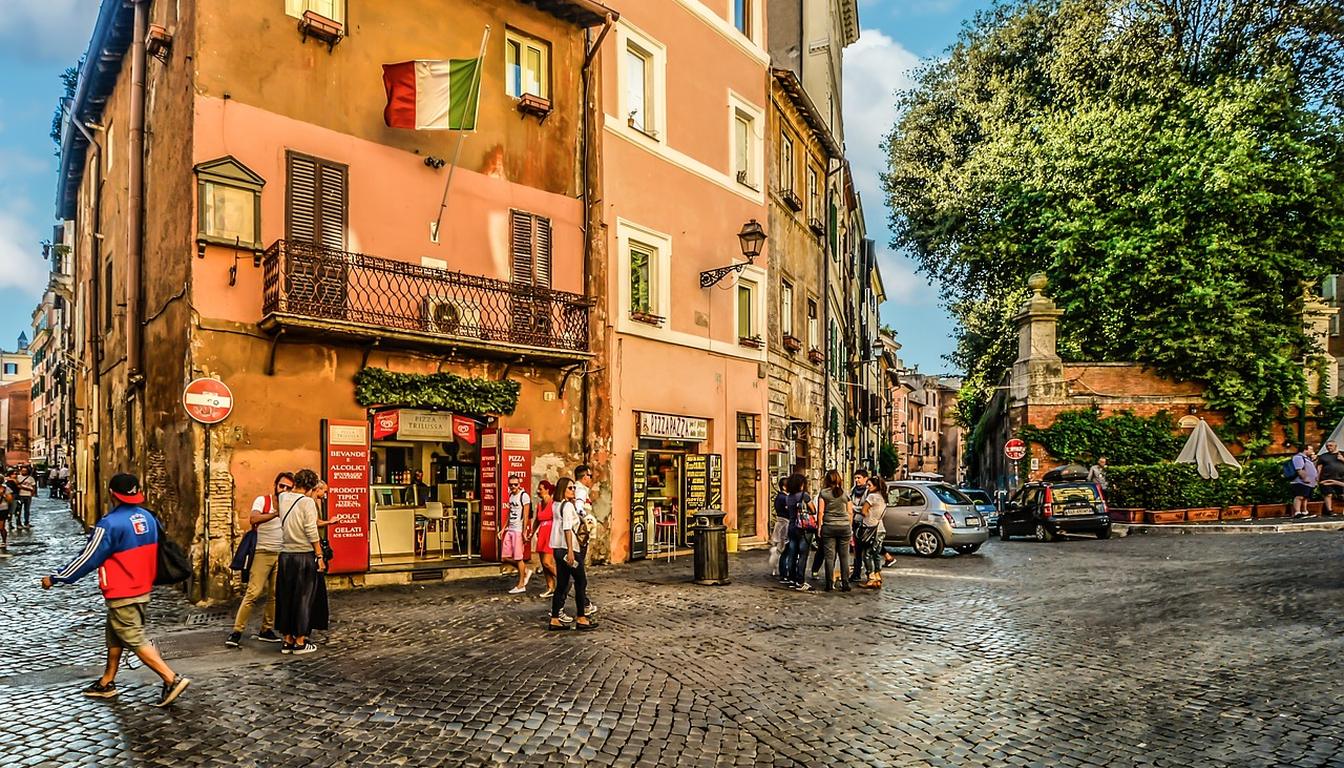
For a full multi-day plan in Rome, see First-time visitor’s guide to Rome in 4 days.
How Cities Are Building ‘Soft Landing’ Pathways
Cities must build ‘soft landing’ pathways: visible coworking hubs, registration guides in plain English, and community event calendars that help nomads move beyond their first week. URBACT recommends visible coworking options, community events, and business networks to connect mobile talent with local economies. These pathways recognize that arrival is only the beginning—successful integration requires structured support that helps newcomers navigate registration, housing, healthcare, and social networks.
The International Organization for Migration says cities can boost attractiveness with clear websites and portals that explain visa applications and settling-in information. This operational clarity matters enormously in practice: a digital nomad weighing three potential destinations will favor the one where administrative requirements are transparent and procedures are documented in English or other widely spoken languages. Municipal websites that address practical questions—how to register, where to find housing, how to access healthcare—show that the city takes remote workers seriously and has thought through the basics.
Many cities focus on attracting existing digital nomad visa holders, EU citizens, and long-term residents rather than creating new visa categories. URBACT notes that many European cities should focus on attracting existing digital nomad visa holders, EU citizens, and long-term residents rather than designing new visa rules from scratch. This pragmatic approach acknowledges that cities have limited influence over national immigration policy but direct control over local integration infrastructure.
Valencia’s Startup Valencia program pairs visiting tech workers with local founders. After three months, half stay longer or recommend friends—that’s integration that works.
After three months, half stay longer or recommend friends—that’s integration that works.
Integration measures include volunteering, mentoring, coworking, and business collaboration to connect mobile workers with local people and firms. These initiatives prevent the formation of isolated expat bubbles and channel nomad skills and capital into local economic networks.
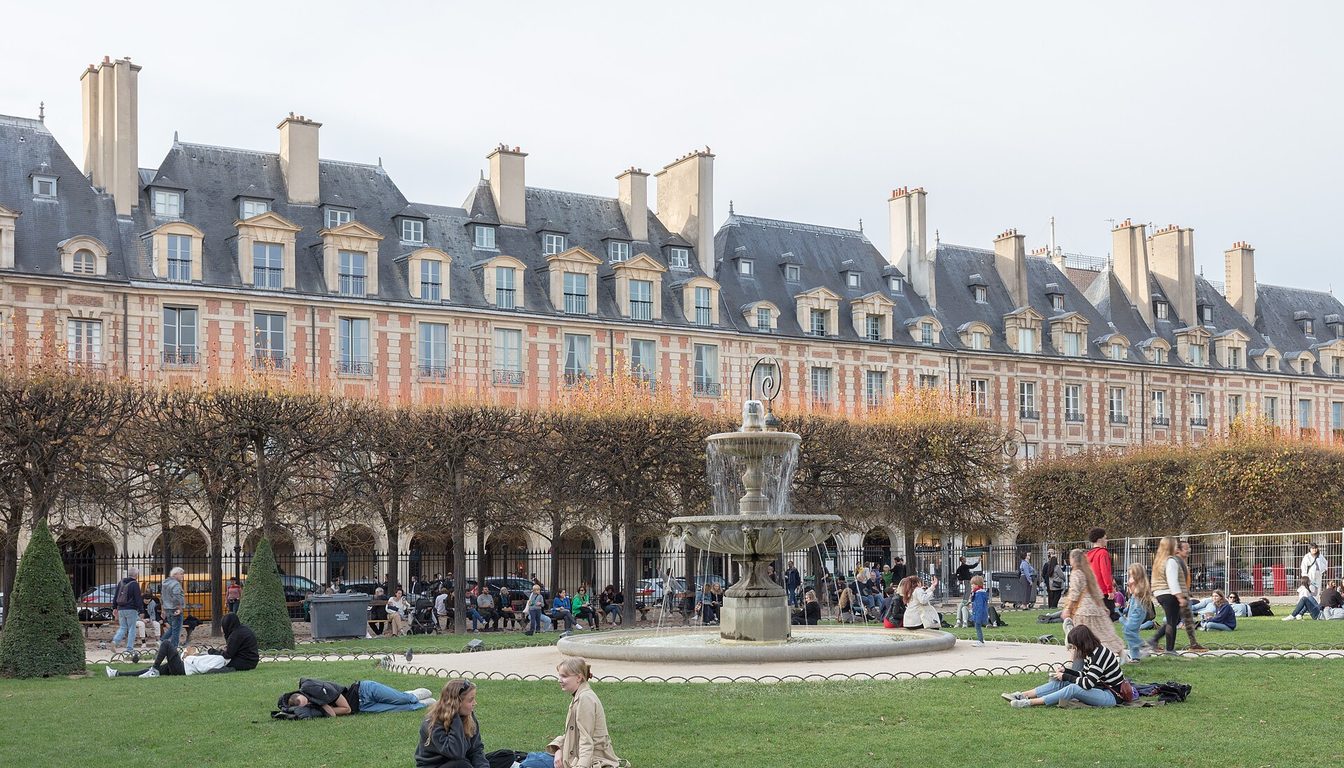
For a full multi-day plan in Paris, see Best things to do in Paris in 3 days: a curated itinerary.
Longer Stays and the Shift to Year-Round Demand
Digital nomads often stay longer than conventional tourists and can support more sustainable, higher-value forms of demand in destinations. Barcelona City Council observes that these extended stays can support more sustainable, higher-value demand patterns, shifting the economic model away from high-turnover, low-margin mass tourism.
A digital nomad who rents an apartment for three months spends more on local services, groceries, and neighborhood businesses than ten weekend tourists cycling through short-term rentals.
Extended stays reduce seasonal volatility, supporting local services, entrepreneurship, and neighborhood revitalization outside peak tourist months. Restaurants, gyms, coworking spaces, and cultural venues gain consistent patronage year-round rather than scrambling to cover costs during off-peak periods. This demand stability allows businesses to invest in quality and retain staff, strengthening the local economic fabric.
Mid-sized cities may feel less seasonal and more year-round than classic short-stay tourism destinations due to the digital-nomad pattern. A city that once experienced a summer surge and winter lull can achieve more balanced occupancy when digital nomads fill the calendar gaps left by conventional tourists. This smoothing effect benefits housing providers, transport operators, and municipal budgets that depend on steady revenue streams.
This shift allows cities to diversify revenue streams and reduce dependence on short-stay, high-turnover tourism models. Mid-sized cities are discovering that mobile workers provide a third pillar: productive residents who generate economic activity without requiring the same visitor infrastructure as mass tourism.
The Housing and Community Balance Challenge
Lisbon’s rental prices have doubled in three years partly due to digital nomad demand. If you’re a long-term resident considering a move there, factor in gentrification pressure.
Cities must balance the economic benefits of longer-staying visitors with the need to protect affordable housing stock for residents. The influx of higher-income remote workers willing to pay premium rents for short-term flexibility can accelerate displacement of long-term residents, particularly in neighborhoods with limited new construction.
In Barcelona’s Gothic Quarter, corner stores became phone-repair shops, and affordable pensions turned into luxury Airbnbs—the neighborhood’s core residents left. Unmanaged influx can accelerate gentrification, displace long-term residents, and strain neighborhood cohesion.
Successful cities integrate digital nomads into local networks rather than isolating them in tourist-only infrastructure. This means steering remote workers toward residential neighborhoods with strong civic institutions, encouraging participation in local events, and creating pathways for mobile talent to contribute skills and capital to community initiatives. Integration reduces the risk of parallel economies where nomads and residents occupy the same physical space without meaningful interaction.
Municipal governments face difficult trade-offs: attracting mobile talent generates tax revenue, supports local businesses, and diversifies the economy, yet unregulated growth threatens affordability and social cohesion. Cities that succeed will be those that set clear parameters—housing quotas, registration requirements, neighborhood distribution strategies—before pressures become unmanageable.
Beyond Visas: What Cities Can Control
URBACT says many cities should focus first on existing visa holders, EU mobility, domestic remote workers, and diaspora rather than designing new visa rules. This recommendation reflects a practical reality: municipal governments have limited influence over national immigration frameworks but substantial control over local conditions that make a place livable and productive.
Cities that obsess over visa design waste energy on policy they don’t control. Invest instead in broadband, public squares, and newcomer guides—that’s where you win.
Cities can directly influence infrastructure (coworking, broadband), community programming, information portals, and business networks. These levers are often more decisive than visa rules in shaping whether digital nomads choose a destination and how long they stay. A city with seamless fiber-optic coverage, visible coworking hubs, and active business networks will attract mobile talent regardless of marginal differences in visa terms.
A city-run community calendar in English, multilingual walking maps, and free coffee hours at community centers for newcomers—these fall within municipal reach. Local governments have more leverage over placemaking, public space, and integration services than over national immigration policy. These improvements benefit both digital nomads and long-term residents, creating shared value rather than zero-sum competition for resources.
Clear newcomer information and community resources are part of the settling-in process emphasized by city and migration organizations. Cities that publish comprehensive guides—covering registration, healthcare, housing, transport, and cultural norms—signal institutional maturity and reduce friction for new arrivals. A well-maintained municipal portal that answers common questions in plain language outperforms a glossy marketing campaign that leaves practical questions unanswered.
What This Means for Travelers and Future City Planning
Most EU countries don’t require registration for stays under 90 days, but Spain and Portugal have ambiguous local rules—check the municipal website, not just national guidance. A few hours of research before committing to a destination can prevent costly mistakes and bureaucratic headaches.
Choose accommodation near reliable coworking spaces or strong broadband access if you need consistent work conditions. Location matters: a charming apartment in a historic district loses appeal if internet is unreliable or the nearest workspace requires a long commute. Digital nomads should prioritize neighborhoods with proven infrastructure, even if it means paying slightly more or accepting less tourist-facing surroundings.
Look for cities that publish clear newcomer information and community resources, as these signal a mature approach to integration. Cities that invest in these materials demonstrate institutional readiness to support mobile workers beyond visa issuance. Comprehensive guides, community events calendars, and business network directories indicate that a city views digital nomads as potential long-term contributors, not merely short-term visitors.
Look for cities that publish clear newcomer information and community resources, as these signal a mature approach to integration.
The pattern suggests European cities will increasingly compete on quality of life, connectivity, and community integration, not just on tourist attractions. This shift has profound implications for urban planning: cities that treat digital nomads only as an extension of tourism will lose ground to those that build holistic ecosystems for remote work.
Infrastructure investments, housing policy, community programming, and business support must align to create environments where mobile workers can thrive alongside long-term residents.
Mid-sized cities have an opportunity to leapfrog traditional capitals by moving faster on integration infrastructure and regulatory clarity. While large cities wrestle with entrenched interests and complex bureaucracies, smaller municipalities can experiment, iterate, and respond to feedback.
Digital nomads are neither savior nor threat—they’re a revenue source that requires careful guardrails on housing and neighborhood integration. Dubai offers tax breaks and coworking towers; Lisbon offers neighborhood life and €400 apartments. Digital nomads are choosing differently now—and that’s shifting what ‘global talent’ means.