German Rail Explained: ICE, IC, Regional Trains and the Deutschlandticket
Germany’s rail system offers one of Europe’s most comprehensive networks, but the distinction between high-speed ICE, intercity IC/EC, regional trains, and the Deutschlandticket confuses many first-time visitors. Understanding these categories matters for practical reasons: choosing the wrong service can mean paying for tickets you don’t need, arriving hours later than planned, or facing fines for using the wrong pass. This guide breaks down each service type, eligibility rules, and how to choose the right option for your journey.
Understanding Germany’s Train Categories
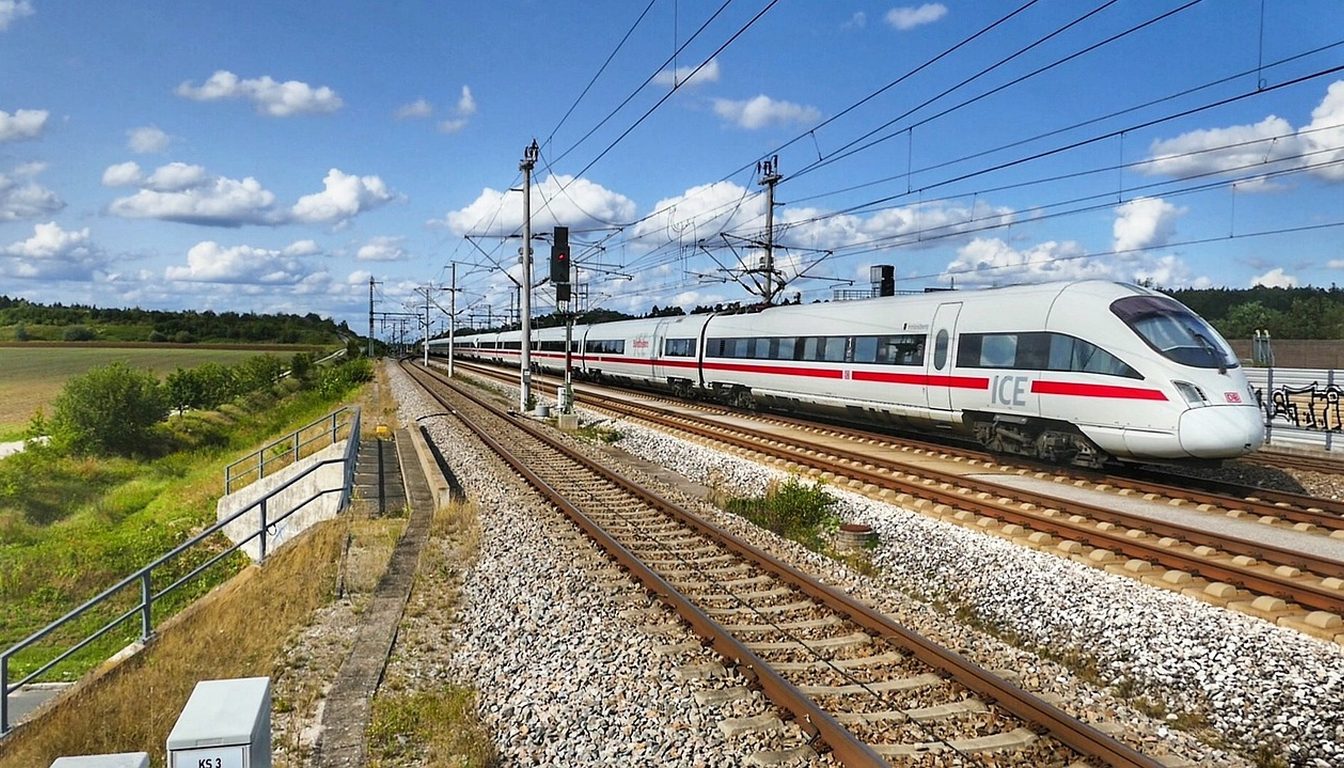
Germany operates distinct train types with clear hierarchies and purposes. ICE (Intercity Express) trains form the flagship high-speed service, connecting major cities like Berlin, Munich, Frankfurt, Hamburg, and Cologne with the fastest journey times and premium comfort. These trains are designed for long-distance intercity travel and generally require specific long-distance tickets.
IC (Intercity) and EC (EuroCity) trains serve long-distance routes at lower speeds than ICE but with fewer stops than regional trains. They connect major cities and provide international links to neighboring countries, filling the gap between high-speed express services and regional networks.
At the local level, RE (Regional-Express) and RB (Regionalbahn) trains operate over shorter distances, stop more frequently, and generally have fixed prices without mandatory seat reservations. These regional services, along with S-Bahn suburban networks, form the backbone of local and regional connectivity across Germany. Understanding these train types helps travelers choose between speed, cost, and flexibility.
Each category has different ticketing rules, pricing structures, and service standards that affect journey planning. Long-distance trains often use dynamic pricing and offer optional seat reservations, while regional services maintain fixed fares and operate on a turn-up-and-go basis with no reservation system.
ICE and IC Long-Distance Services: Speed and Flexibility
ICE trains link major hubs with journey times optimized for business and leisure travelers. A trip from Munich to Berlin covers roughly 600 kilometers in under four hours on ICE, compared to seven or more hours when chaining regional connections. These trains prioritize speed and directness, making them the obvious choice for covering long distances efficiently.
IC and EC services complement ICE by serving secondary routes and international connections to neighboring countries. While slower than ICE, these trains maintain intercity standards and reach destinations not on the high-speed network. They connect smaller cities directly without requiring multiple transfers through regional services.
Long-distance tickets for ICE, IC, and EC are route-specific and typically offer dynamic pricing—earlier advance purchases often mean lower fares. Unlike regional trains with fixed zone-based pricing, these tickets fluctuate based on demand, travel date, and how far ahead you book. Travelers with flexible schedules can find significant savings by purchasing tickets weeks in advance.
Seat reservations are optional on Deutsche Bahn long-distance trains and cost a small surcharge, while passengers may also use any unreserved seats with a valid ticket. Reservations become advisable during peak travel periods, weekends, and holidays to guarantee a specific seat and avoid standing in crowded carriages. The small fee provides peace of mind, especially on popular routes where unreserved seats fill quickly.
Unreserved seats remain available on a first-come basis, giving travelers flexibility if they miss a booked departure. This system differs from airlines: even without a reservation, a valid long-distance ticket allows you to board any train on your route and find an available unreserved seat, though you may need to stand during busy periods. More guidance on German train travel and reservations appears at Seat61.
Regional Trains (RE, RB, S-Bahn): The Local Backbone
RE (Regional-Express) trains connect cities and towns across regions with moderate speeds and limited stops. These services operate on longer regional routes, moving faster than local trains but stopping at key stations rather than every small halt. An RE train from Stuttgart to Nuremberg, for example, provides a direct regional link without the speed or cost of ICE.
RB (Regionalbahn) services are slower, stopping at nearly every station along their route. They’re ideal for reaching smaller towns, rural areas, and destinations not served by express trains. While journey times extend compared to RE or ICE, RB trains provide essential connectivity for communities throughout Germany.
S-Bahn (suburban rail) operates within and around major metro areas, integrating seamlessly with local buses, trams, and U-Bahn underground networks. These frequent services form the urban transit backbone, linking city centers with suburbs, airports, and regional rail hubs. In cities like Berlin, Munich, and Frankfurt, the S-Bahn functions as both commuter rail and a key component of the public transport system.
Regional trains use fixed fare structures based on distance zones, with no dynamic pricing or advance-purchase discounts. This simplicity means the cost remains constant whether you buy a ticket months ahead or minutes before departure. Fares are calculated on kilometers traveled within regional transport networks, providing transparent and predictable pricing.
No seat reservations are offered or required on regional trains. Passengers board freely and find available seats, making regional travel spontaneous and flexible. Unlike long-distance services where reservations guarantee a specific seat, RE, RB, and S-Bahn operate on a first-come basis. Regional trains cannot sell out in the traditional sense—you can always board, though you may stand during rush hours. For travelers planning urban exploration, comparing transport options across cities may prove useful.
What Is the Deutschlandticket and How Does It Work?
The Deutschlandticket is a nationwide monthly ticket for local and regional public transport in Germany, valid on buses, trams, metros (U-Bahn), S-Bahn, and regional trains (RB, RE). Introduced as a simplified nationwide public transport offer, it aims to encourage rail and public transport use while making fare structures more transparent for travelers.
Valid services include RE, RB, S-Bahn, U-Bahn, trams, and buses operated by any German transport authority. The Deutschlandticket can be used on all local trains such as RB, RE, and S-Bahn, and on local public transport throughout Germany, regardless of the issuing transport association. This nationwide validity means a single subscription covers everything from Berlin’s U-Bahn to Munich’s trams to regional trains in rural Bavaria.
The ticket is not valid on most long-distance services in Germany, including Intercity Express (ICE), Intercity (IC), and EuroCity (EC) trains. Attempting to use the Deutschlandticket on these services incurs fines, as they fall under separate long-distance fare systems. This distinction trips up many visitors who assume “regional trains everywhere” includes all trains.
Since January 2026, the Deutschlandticket costs 63 euros per month and is offered as a subscription that renews automatically. This represents a flat-rate model: whether you make two trips or two hundred, the monthly cost remains the same. For frequent travelers using regional transport extensively, the economics favor the subscription.
The Deutschlandticket is valid only in second class, although some operators offer optional first-class upgrades for an additional fee. Standard travel on regional services rarely requires first class—second-class carriages on RE and RB trains provide adequate comfort for most journeys. Deutsche Bahn explains these details at int.bahn.de.
Deutschlandticket Eligibility and Common Pitfalls
All DB regional trains operated by regional subsidiaries accept the Deutschlandticket, but some RE services run by DB Fernverkehr are classified as long-distance and excluded. Deutsche Bahn notes that the Deutschlandticket is generally not valid on RE services operated by DB Fernverkehr AG, even though they are branded RE, because they count as long-distance services. This technicality catches travelers off-guard: the train says “RE” but requires a long-distance ticket.
Check train designation carefully in the DB Navigator app or int.bahn.de before boarding. Apply the “local/regional transport only” filter when searching to see only valid connections for your Deutschlandticket. Without this filter, search results mix ICE, IC, and excluded RE services with valid regional options, leading to accidental bookings on trains you cannot use.
The Deutschlandticket is a calendar-month subscription; it auto-renews and must be cancelled by the 10th of the month to avoid being charged for the following month. This subscription model means you cannot simply stop using it—active cancellation is required to end billing. Missing the cancellation deadline commits you to another full month at the current rate.
This subscription model means you cannot simply stop using it—active cancellation is required to end billing.
The ticket cannot be purchased for shorter durations. There is no daily or weekly version of the Deutschlandticket. Visitors spending only a few days in Germany must either commit to a full calendar month or purchase separate regional tickets for individual journeys. This limitation makes the Deutschlandticket less suitable for short trips.
Combining the Deutschlandticket with separate long-distance tickets is allowed, but each journey segment must be ticketed correctly. When using a Deutschlandticket to reach or leave a station before or after an ICE/IC journey, passengers must hold a separate long-distance ticket and normal long-distance passenger rights apply only to that segment. This hybrid approach lets you use the monthly pass for local access while buying standalone long-distance tickets for intercity legs. Additional guidance on which trains accept the Deutschlandticket appears at Deutsche Bahn’s FAQ.
For a full multi-day plan in Paris, see Best things to do in Paris in 3 days: a curated itinerary.
When to Choose ICE/IC vs. Regional Trains
For long journeys between major cities, ICE trains save hours compared to chaining regional connections. Munich to Berlin via regional trains typically requires multiple transfers and takes around 4–5 hours for standard day travel; the same route on ICE takes under four hours with no changes. When time matters, the speed premium of long-distance trains justifies their higher cost.
Regional trains make sense for short hops, exploration within a state or region, and journeys where time flexibility matters more than speed. Separate regional services connect Frankfurt to Heidelberg and cover parts of the Rhine Valley, offering accessible exploration without paying for high-speed rail. These trips cover shorter distances where the ICE advantage shrinks or disappears entirely.
Budget travelers staying a full month benefit most from the Deutschlandticket if making frequent regional trips. At 63 euros, the subscription pays for itself quickly if you’re making several regional journeys per week. Single long-distance tickets may be cheaper for one or two intercity legs, especially when booked in advance—compare the math based on your actual itinerary rather than assuming one option always wins.
Business or time-sensitive travelers should prioritize ICE/IC despite higher cost, reserving seats in advance during busy periods. The time saved often outweighs fare differences, particularly when factoring in productivity or tight connection windows. A reserved seat eliminates uncertainty on crowded trains and ensures you arrive fresh rather than standing for hours.
Mixing both approaches offers the best value for many itineraries: use the Deutschlandticket for local access and buy separate long-distance tickets for key intercity segments. This hybrid strategy keeps costs down while preserving speed where it matters. For instance, use regional trains for day trips around Bavaria, then purchase an ICE ticket for the single Munich–Hamburg leg. Travelers exploring other European cities often employ similar mixed-transport strategies.
For a full multi-day plan in Rome, see First-time visitor’s guide to Rome in 4 days.
Practical Tips for Navigating German Rail
Download the DB Navigator app for real-time schedules, platform information, and journey planning with ticket-type filters. The app displays live train positions, delay updates, and platform changes—critical information when navigating German stations. Offline schedule data helps when connectivity drops in tunnels or rural areas.
When searching with int.bahn.de, enable the “local and regional transport only” option if you hold a Deutschlandticket to see valid connections. This filter prevents the planner from suggesting routes with ICE or excluded RE services that would require separate tickets. Without this setting, results show faster connections you cannot legally use, leading to confusion and potential fines.
Reserve seats on ICE/IC trains during weekends, holidays, and major events. The small surcharge guarantees a specific seat and avoids standing in crowded carriages for hours. Peak periods like Friday evenings, Sunday afternoons, and school holiday periods see especially high demand on popular routes. Reservations cost a few euros but provide certainty worth the investment.
Validate the exact train operator and service class before boarding. Not all trains labeled RE accept the Deutschlandticket—check whether the service is run by DB Regio (usually valid) or DB Fernverkehr (often excluded). The operator appears in the DB Navigator app and on platform displays. A moment spent verifying saves the hassle of fines or having to purchase tickets on board.
Allow buffer time for connections, especially when combining regional and long-distance services. Regional trains may experience minor delays, and tight transfers between different train types risk missed connections. Building in 10–15 minutes between regional arrivals and long-distance departures provides insurance against typical delays without excessive waiting. Additional practical advice on German rail travel is available at Seat61.
Building in 10–15 minutes between regional arrivals and long-distance departures provides insurance against typical delays without excessive waiting.
Germany’s rail network rewards travelers who understand its structure. The division between fast long-distance trains and flexible regional services exists for good reasons: different journey types demand different solutions. ICE and IC trains deliver speed and directness for intercity travel, while regional networks provide thorough local coverage at fixed, transparent fares. The Deutschlandticket adds a budget-friendly nationwide option for those willing to trade speed for savings and commit to a monthly subscription. By matching each journey to the right service type, travelers navigate Germany efficiently without overpaying or wasting time on unnecessarily slow routes. The system’s complexity diminishes once you grasp these fundamental distinctions and apply the practical filters and tools Deutsche Bahn provides.