Athens Metro, Trams, and Buses: Getting Around Without Confusion

Athens uses one integrated ticket covering metro, tram, buses, and trolleybuses for 90 minutes of unlimited transfers. The metro is fastest for crossing the city; trams reach coastal suburbs; buses fill coverage gaps. Airport services require a separate ticket. Most visitors rely on the standard 90-minute fare to navigate between archaeological sites, neighbourhoods, and Piraeus port.
Athens operates one of Europe’s most visitor-friendly integrated transport networks—one ticket, five modes, endless connections. Most travelers waste 20 minutes at their first transfer point—here’s how to avoid that.
Whether you’re crossing the city to reach Piraeus port, heading to the coast for an afternoon by the Saronic Gulf, or navigating between archaeological sites and residential suburbs, Athens public transport offers a coordinated solution. Most visitors don’t realize the 90-minute clock starts at validation, not boarding, which costs them a second ticket.
How Athens Public Transport Works: One Network, One Ticket
Athens has five main forms of mass transit: metro, buses, trolleybuses, tram, and suburban rail.
OASA coordinates them all. Instead of learning five separate systems with different tickets and rules, visitors deal with a single, unified approach.
The key advantage is the integrated ticket. You can use the same ticket on the metro, tram, city buses, and trolleybuses in Athens, allowing unlimited transfers between these modes during the ticket’s validity window. A standard single ticket is valid for 90 minutes of travel with transfers, covering everything except airport services and certain special lines. You don’t lose money switching modes mid-journey—one ticket covers all swaps for 90 minutes.
A standard single ticket is valid for 90 minutes of travel with transfers, covering everything except airport services and certain special lines.
STASY operates Athens’ urban rail transport, which encompasses both metro and tram lines, providing information on routes, itineraries, and ticketing. Meanwhile, OASA oversees the broader network including buses and trolleybuses. According to the official Athens city guide, the public transport system is described as affordable, reliable, and covering most of the city and suburbs.
Airport connections fall outside the standard integrated fare. Journeys to or from Athens International Airport require a separate ticket and are not included in the 90-minute transfer ticket, so plan accordingly if your itinerary involves airport travel.
| Transport Mode | Best For | Operating Hours | Covered by 90-min Ticket |
|---|---|---|---|
| Metro | Fast cross-city travel, Acropolis, Piraeus | 05:00–midnight (Fri–Sat until ~01:00) | Yes |
| Tram | Coastal suburbs, seaside access, Saronic Gulf | Daily (check schedules) | Yes |
| City Buses | Residential areas, parks, secondary attractions | Daily (check schedules) | Yes |
| Trolleybuses | Neighbourhood coverage, areas without rail | Daily (check schedules) | Yes |
| Suburban Railway | Outlying districts, extended coverage | Daily (check schedules) | No (separate fare) |
The Athens Metro: Your Fastest Route Across the City
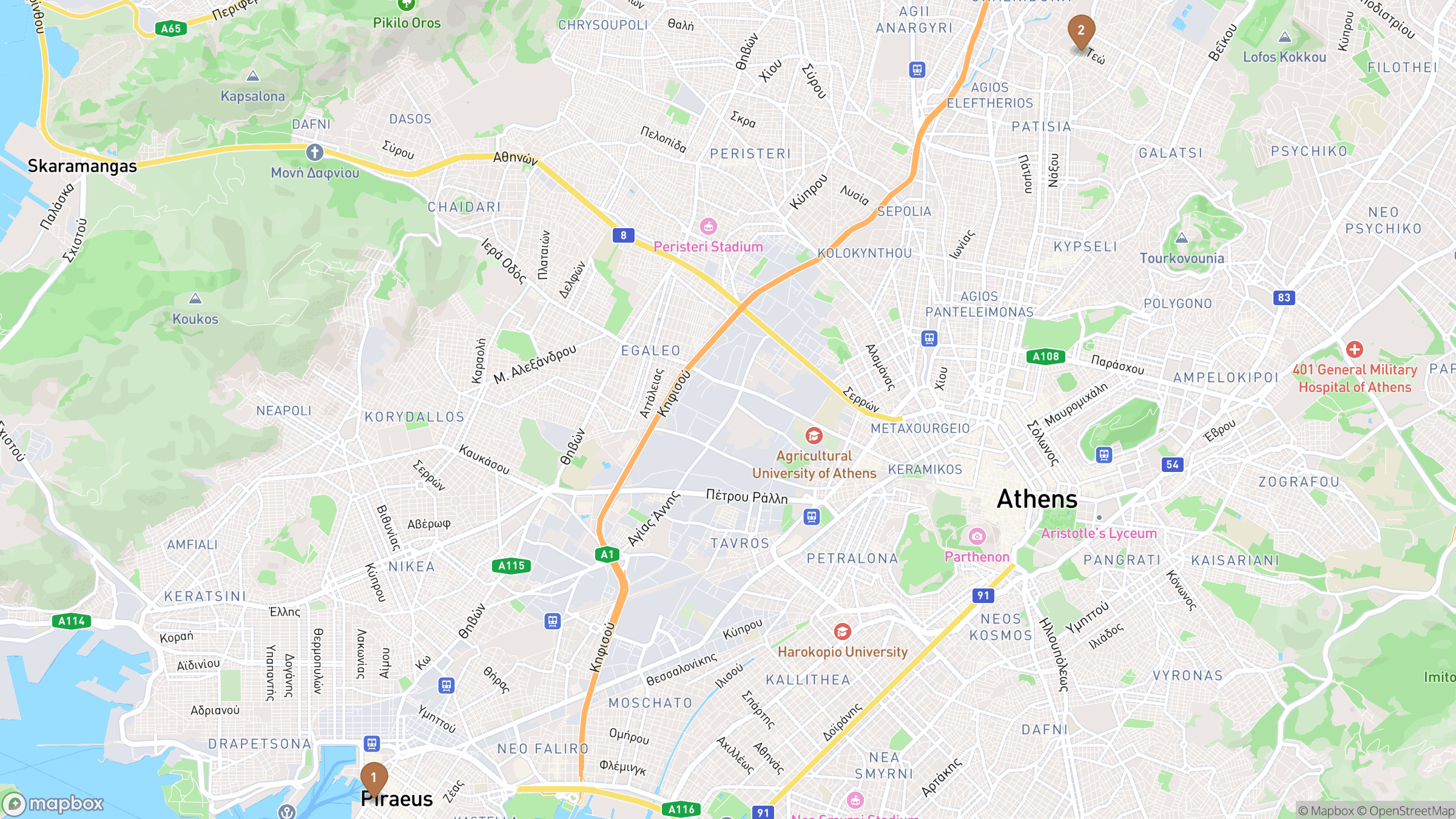
The Athens Metro system consists of three lines connecting major districts, monuments, and the port of Piraeus. For travellers wanting to cross Athens quickly—whether from the central Syntagma area to Monastiraki, or from the city centre down to Piraeus—the metro is typically the fastest option. Stations are clearly marked with bilingual signage, and the network integrates with tram stops and bus routes at key transfer points.
Metro services generally run daily from 05:00 until midnight. Some lines extend their hours to approximately 01:00 on Friday and Saturday nights, offering slightly more flexibility at weekends. However, this is not a 24-hour service, so visitors planning late-night or early-morning travel need to work within that operational window. If you’re planning to compare access options for Athens attractions, knowing the metro hours helps you time your visits efficiently.
The metro is fastest because trains run on fixed tracks, not roads. If you’re catching a ferry from Piraeus in peak hour, metro beats any bus by 10–15 minutes.
Stations near major tourist areas are well-equipped with ticket machines, route maps, and information displays in both Greek and English.
Athens Trams: Reaching the Coast and Seaside Suburbs
The tram beats the metro for beach trips—it gets you to the water faster than walking from a metro station, and the views are better. The Athens tram provides access to beaches, seaside promenades, and waterfront neighbourhoods that the metro doesn’t directly serve, making it particularly valuable for visitors wanting to combine urban sightseeing with time by the water.

Trams are covered by the same 90-minute integrated ticket you use on the metro and buses. This means transferring from a metro station to a tram stop doesn’t require a new fare, as long as you’re within the validity window. While trams are slower than metro trains for covering long distances—they share road space in some areas and stop more frequently—they offer scenic coastal routes that buses and metro lines can’t replicate.
STASY operates the tram alongside the metro under unified urban rail management, so timetables, ticketing, and route information follow the same structure. For visitors staying in central Athens who want an afternoon at the beach or a seaside dinner, the tram represents an efficient way to reach those destinations without renting a car or relying on taxis.
City Buses and Trolleybuses: Filling the Gaps
Athens has an extensive network of city buses and electric trolleybuses that serve neighbourhoods, parks, and secondary attractions not directly connected by metro or tram. These modes fill in the coverage gaps, reaching residential suburbs and areas where rail infrastructure isn’t practical.
Buses are essential if your hotel is in Psyrri or Exarcheia—areas the metro and tram barely touch.
The same 90-minute transfer ticket applies to buses and trolleybuses, meaning you can combine a bus ride with metro or tram travel within a single fare. This flexibility is especially useful when your destination lies between major metro stops or in a district served primarily by bus routes. Buses provide comprehensive area coverage, but they’re subject to road traffic conditions and can be slower than rail-based options during peak hours.
OASA coordinates bus and trolleybus services alongside metro and tram operations. Route information, schedules, and service updates are available through official OASA channels, helping visitors plan journeys that incorporate multiple modes. Buses are essential to reach Varvakios market or the Monastiraki flea market on weekends when walkability suffers.
Tickets, Fares, and Transfer Rules Explained
Athens public transport operates on a straightforward ticketing model: a standard 90-minute ticket that allows unlimited transfers between metro, tram, buses, and trolleybuses. This ticket does not include airport services, which require a separate fare, and excludes certain special lines. The 90-minute validity window starts from the moment you validate your ticket, so passengers transferring between modes must complete their journey within that timeframe.
Children up to six years old can travel free of charge on Athens buses, trolleybuses, metro, tram, and suburban trains within the OASA system when they meet eligibility criteria specified in Greek regulations. Children aged seven to twelve, people over 65, teenagers, and certain student categories are entitled to reduced fares when carrying the required documentation. According to AthensGuide transport information, passengers eligible for these discounts must carry valid ID or certificates for inspection by transport staff.
Buy tickets at metro stations, kiosks, or retail points around the city.
Validate before boarding. Machines at metro gates and validators on trams and buses stamp your ticket with the start time. Failure to validate or carrying an expired ticket can result in fines during inspections, so ensuring your ticket is properly activated before travel is essential.
For visitors planning multiple journeys over several days, exploring longer-validity tickets or passes may be more practical than repeatedly buying 90-minute singles. Consult official OASA information for current options suited to your planned length of stay and travel patterns.
Common Misconceptions About Athens Transport
Myth: Each mode requires a different ticket.
Reality: Athens uses an integrated ticketing system. One 90-minute ticket covers metro, tram, city buses, and trolleybuses, allowing unlimited transfers within the validity period. You don’t lose money switching modes mid-journey—one ticket covers all swaps for 90 minutes.
Myth: The metro runs 24 hours a day.
Reality: The Athens Metro generally operates from 05:00 until midnight, with some lines extending services to approximately 01:00 on Friday and Saturday nights. It is not a full 24-hour system, so travellers planning early-morning or late-night journeys need alternative arrangements or careful timing to stay within operating hours.
Myth: Public transport only covers the inner city.
Reality: According to the official Athens guide, the public transport system is designed to cover most of the city and its suburbs. Metro, tram, and bus routes extend well beyond the central tourist zones, reaching residential areas, coastal suburbs, and outlying districts that visitors may want to explore.
Myth: Trams and buses are mainly for locals, not practical for tourists.
Reality: Official city information presents metro, tram, and buses as part of an integrated network suitable for all users. Trams are specifically highlighted for reaching seaside suburbs along the Saronic Gulf, and buses serve many neighbourhoods and sites without rail access. All three modes are documented as visitor-friendly components of the Athens transport network.
Practical Tips for First-Time Riders
Transport quick reference:
- Single 90-minute ticket covers metro, tram, buses, trolleybuses with unlimited transfers; airport services require separate fare
- Validate ticket at metro gates or tram/bus validators before boarding; failure to validate risks fines
- Metro operates 05:00–midnight daily; most lines extend to ~01:00 on Friday and Saturday nights
- Transfer points clearly marked at major metro and tram hubs; connect to nearby bus stops with minimal walking
- Reduced/free fares available for children, seniors, students, and eligible categories with valid documentation
Buy the 90-minute integrated ticket if you anticipate transferring between modes during a single journey. This avoids the confusion of choosing between multiple ticket types and ensures you’re covered for any combination of metro, tram, bus, or trolleybus travel within the validity window. When planning your route, check whether your destination is best reached by metro for speed, tram for coastal access, or bus for areas without rail links.
Buy the 90-minute integrated ticket if you anticipate transferring between modes during a single journey.
Consult OASA and STASY official information for up-to-date routes, service changes, and ticket details. Transport networks evolve—new routes launch, schedules adjust, and special service announcements occur—so relying on the authoritative source helps you avoid outdated advice. Both organisations provide English-language resources designed for international visitors.
Plan your journeys within the core 05:00 to midnight operating window. While some metro lines extend until around 01:00 on Friday and Saturday nights, don’t assume late-night service is universal. If you’re attending an evening event or dining late, confirm return metro availability or have a backup plan such as a taxi or night bus if available.
Use the metro for fast cross-city travel, especially when connecting to the port of Piraeus for ferry departures. Use trams when your destination lies along the coast or in seaside suburbs. Use buses to reach residential areas, parks, or secondary attractions that aren’t directly served by metro or tram. Matching your mode to your destination makes the journey more efficient.
Inspectors will ask for proof. Bring your ID or student card—traveling without it costs a fine, even if you qualify for a discount.
For a full multi-day plan in Paris, see Best things to do in Paris in 3 days: a curated itinerary.
Planning Multi-Mode Journeys: Combining Metro, Tram, and Bus
One ticket covers all three modes for 90 minutes. Take metro from Piraeus to the city, then tram to the coast, then bus to your final stop—one fare, zero extra tickets.

Transfer points are clearly marked at major hubs.
The Athens Metro system consists of three lines and connects with tram services, bus routes, and the suburban railway, creating multiple interchange opportunities. Station maps are in English at major hubs, but screenshot your route beforehand—connection info can be sparse at smaller stops. When planning a complex journey, identify key transfer stations where your chosen modes intersect, then check schedules to minimise waiting time between connections.
Consider an example journey: arriving by metro at Syntagma in the city centre, you could transfer to a tram line that runs along the coast toward the southern suburbs, then board a local bus serving a specific beach or neighbourhood not directly on the tram route. The entire trip falls under your initial 90-minute ticket, provided you complete it within the validity window. You can visit the Acropolis, then catch the tram to Glyfada beach, then bus to a neighborhood taverna—all on one 90-minute ticket.
The network was designed for exactly this kind of journey—metro to tram to bus transfers are built into the schedule. Athens’ integrated approach means you’re not locked into one mode’s limitations. If a metro line gets you close but not quite to your destination, switching to a bus or tram for the final segment is straightforward and expected. For travellers wanting to experience different parts of Athens—from ancient ruins in the centre to modern beach suburbs along the Saronic Gulf—this multi-mode capability transforms the transport system from a logistical challenge into a practical tool.
Understanding transfer rules and mode combinations helps you plan smarter itineraries. Ignore the temptation to stick to metro only—buses fill huge coverage gaps. If you want to reach neighborhoods where locals actually eat, you need the bus map. Your 90-minute ticket is the key that unlocks all of them, letting you choose the best tool for each leg of your journey and switch whenever it makes sense.
For a full multi-day plan in Athens, see Athens in 4 days: ancient ruins meet modern neighborhoods.
Frequently asked questions
Can I use one ticket for metro, tram, and buses?
Yes. A single 90-minute integrated ticket covers unlimited transfers between the metro, tram, city buses, and trolleybuses. This ticket does not include airport services, which require a separate fare. The validity window starts when you validate your ticket.
What are the Athens Metro operating hours?
The Athens Metro operates daily from 05:00 until midnight. Some lines extend service to approximately 01:00 on Friday and Saturday nights, but this is not universal across all lines. Plan late-night or early-morning travel accordingly or have a backup option.
Which transport mode should I use to reach the coast?
The tram network is specifically designed to link Athens’ centre with coastal suburbs along the Saronic Gulf, serving beaches and seaside promenades that the metro does not directly reach. It’s covered by your 90-minute integrated ticket.
Do children travel free on Athens public transport?
Children up to six years old can travel free on Athens buses, trolleybuses, metro, tram, and suburban trains when they meet eligibility criteria. Children aged seven to twelve, seniors over 65, teenagers, and certain students receive reduced fares with valid documentation.