Hagia Sophia, the Blue Mosque and Topkapī in One Day: The Order That Works
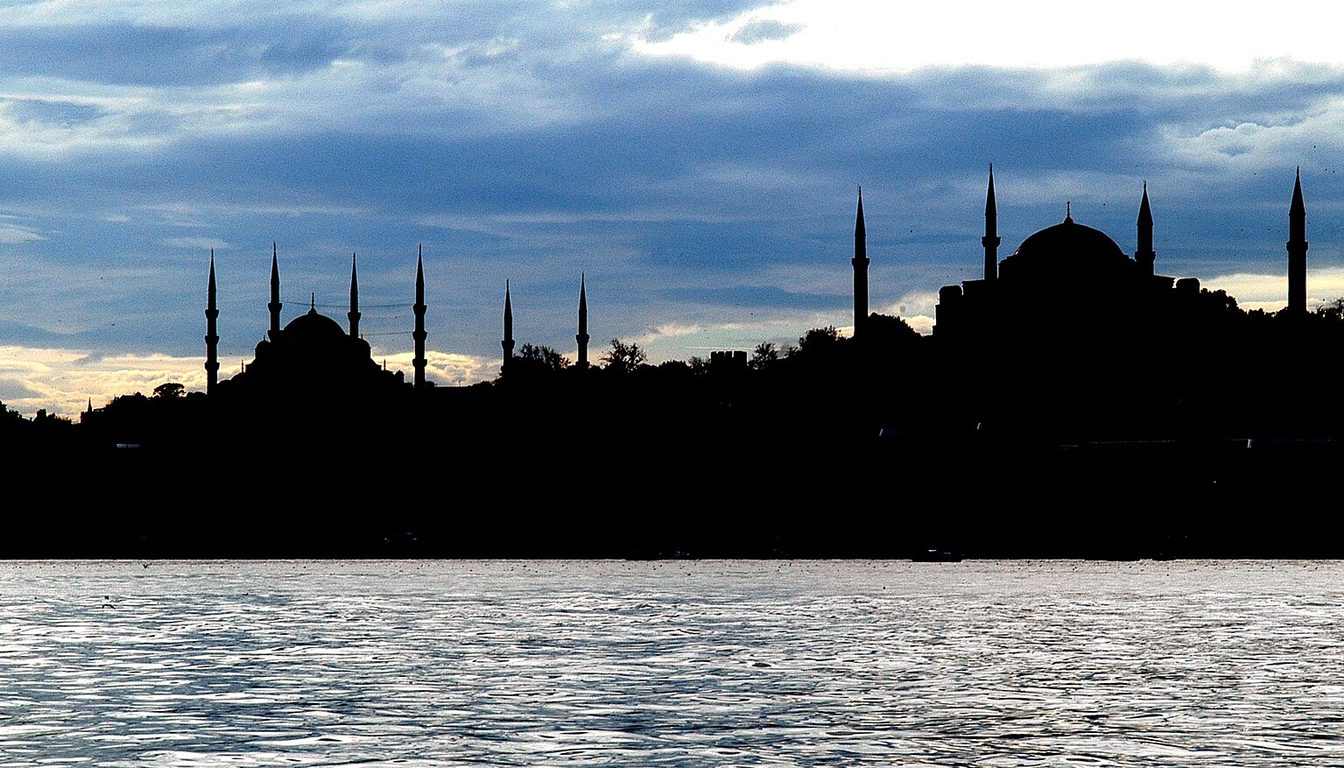
Istanbul’s three most famous monuments sit within walking distance in Sultanahmet, but fitting them into a single day requires a smart sequence that respects prayer schedules, palace hours, and the fact that one of these sites needs several hours while the others can close unexpectedly. The historic core places all three landmarks close together, so transport between stops is not an issue. The challenge is understanding which venue to prioritize and how to build flexibility into the day when worship periods can interrupt access without warning.
The practical solution is to anchor the itinerary around Topkapī Palace in the morning, then move to Hagia Sophia and the Blue Mosque when the palace visit is complete. This sequence protects the most time-intensive stop and allows last-minute adjustments if prayer times restrict mosque access. Sultanahmet rewards travelers who plan around institutional realities rather than forcing a rigid museum-style schedule onto sites that operate under different rules.
Why the Order Matters More Than You Think
Topkapī Palace operates on Ministry schedules and closes at a fixed time, so starting here protects against rushing through the most time-intensive stop. The palace is a major complex with courtyards, collections, and separate sections like the Harem, all of which deserve attention rather than a hurried walk-through before closing. Türkiye’s Ministry of Culture and Tourism determines and publishes opening days and hours for Topkapī, and arriving late risks running out of time before ticket sales end or the palace officially closes.
Hagia Sophia and the Blue Mosque are active religious spaces where prayer times can restrict visitor access throughout the day. Unlike traditional museums with predictable hours, mosques prioritize worship. Flexible timing is essential because access to mosques is never guaranteed during worship periods.
All three monuments are grouped in Sultanahmet’s compact historic core, making them walkable without needing transport between stops. The question is not whether the route is physically manageable but whether the sequence aligns with how these sites actually operate.
The Recommended Sequence: Topkapī First, Mosques Second
Start with Topkapī Palace in the morning when queues are lighter and the full day lies ahead to explore the expansive complex. The palace should anchor the schedule because it demands the most time and operates under fixed Ministry hours that do not flex around worship. Beginning here means completing the longest visit before moving on to sites where access depends on prayer schedules. If Topkapī is treated as an afterthought and left until late afternoon, insufficient time and closed ticket windows become real risks.
Visit Hagia Sophia after leaving Topkapī, ideally by late morning or early afternoon when the palace visit is complete. The Ministry’s listing for the Hagia Sophia History and Experience Museum gives opening hours of 09:00–20:00, with ticket sales ending at 19:00. This window is generous compared to many heritage sites, but the building functions as both a historic monument and a religious space, so internal access arrangements can vary depending on worship activity.
Visit Hagia Sophia after leaving Topkapī, ideally by late morning or early afternoon when the palace visit is complete.
Save the Blue Mosque for last, or slot it in whenever its visitor route is confirmed open—this flexibility prevents wasted time. Because mosque access responds to prayer times rather than fixed tourist hours, the Blue Mosque fits best as the final stop or as an opportunistic visit when conditions allow.
Build a midday buffer into the plan so prayer-time closures do not derail the entire itinerary. If the Blue Mosque is closed for prayer when you arrive, visit Hagia Sophia first and return to the mosque after prayer concludes.
For practical transit detail in Istanbul, see Istanbul transport explained: Istanbulkart, ferries, and metrobüs.
How Long Each Monument Actually Takes
Topkapī Palace deserves at least two to three hours; rushing through the Harem, courtyards, and Treasury collections defeats the purpose. The palace is not a quick photo stop but a layered complex where each section offers distinct historical and architectural experiences. Attempting to see Topkapī in under an hour results in missing entire areas and gaining little understanding of why the site matters. Reserve the late morning and early afternoon for the palace before visiting the two nearby mosques.
 Photo: Radosław Botev / Wikimedia Commons, CC BY 3.0 pl (cropped)
Allow 45 minutes to an hour to see both the ground floor and the galleries, particularly if you want to understand the Byzantine mosaics and later Ottoman additions. The Blue Mosque can be seen in 20–30 minutes if the visitor route is fully open, though photography and crowd flow can extend this. Because the Blue Mosque is smaller and more straightforward than Topkapī or Hagia Sophia, it works well as the final stop when time and energy are running lower.
Walking between all three monuments takes a total of 10–15 minutes, so transit time is negligible. The three principal sights are located within Sultanahmet’s compact historic core and are realistically connected by walking rather than requiring a vehicle between each stop.
Allocate buffer time for prayer breaks, ticket lines, and the inevitable slowdowns that come with group movement in UNESCO-listed sites. Topkapī Palace and Hagia Sophia are part of Istanbul’s historic urban area recognized by UNESCO as a World Heritage site, and heritage protection measures can affect visitor flow and access arrangements.
Navigating Prayer Times and Access Windows
Do not treat mosque visits as fixed museum appointments—prayer times restrict access, and Friday midday prayers extend closure periods significantly. Prayer schedules vary slightly by date and season, and while approximate times can be checked in advance, on-the-ground conditions determine when visitor routes actually reopen. Hagia Sophia and the Blue Mosque remain active religious spaces, so visitor routes can close without advance notice during daily prayer calls.
Check local prayer schedules on the day of your visit. Türkiye’s Presidency of Religious Affairs publishes prayer times, and understanding the five daily prayer periods helps anticipate when access may be restricted.
Be prepared to follow separate visitor and worshipper routes, and to wait quietly if worship is underway.
Flexibility is the most valuable asset when visiting active mosques. If one site is closed for prayer, use that time to visit the other monument or take a break before returning. Fighting against prayer schedules creates frustration; working around them makes the day manageable.
What You Need to Know About Topkapī Palace Logistics
The Ministry’s Istanbul museum schedule identifies Topkapī Palace as a Ministry-operated visitor site whose hours may vary by seasonal schedule and official announcements.
Arrive early: ticket sales end before the official closing time, and staff may refuse entry after that point even if the palace is still technically open.
Allow extra time for security checks, courtyard crossings, and the separate Harem section if visiting it is part of the plan. Topkapī is a major palace complex, not a quick museum stop—treating it as an afterthought guarantees insufficient time.
The palace has multiple courtyards, the Treasury, the Harem, and displays of ceramics and manuscripts. Each section merits attention, and moving between them takes time even without queues.
Check the Ministry’s current schedule the day before visiting, especially on Mondays, religious holidays, or during seasonal timetable changes. Museum and archaeological-site schedules can change through official decisions, seasonal applications, or local authority measures, so confirming hours immediately before departure prevents wasted trips. Travelers who compare access options in advance can plan around known closures and busy periods.
Hagia Sophia: History, Access, and What to Expect
The present Hagia Sophia building opened on 27 December 537 during the Byzantine era under Emperor Justinian I. The Ministry describes Hagia Sophia as having been built three times, with the current church opened on that date. The building was converted into a mosque after Sultan Mehmed II conquered Istanbul in 1453.
Byzantine mosaics are visible alongside Ottoman calligraphy, with imperial additions from different centuries throughout the structure.
The Ministry lists opening hours of 09:00–20:00 for the Hagia Sophia History and Experience Museum, with ticket sales ending at 19:00.
The building functions as both a museum section and an active mosque, so visitor routes and worship areas are managed separately. Expect a mixed visitor experience: tourists and worshippers share the space, so photography and movement are more restricted than in a traditional museum.
Knowing that Hagia Sophia was a church, then a mosque, then a museum, and now a mosque-museum hybrid explains why prayer times and visitor routes change throughout the day. Visitors should follow on-site instructions about which areas are accessible, where photography is permitted, and how to move respectfully through the space. Travelers interested in visitor arrangements can review access details before arrival.
Common Mistakes That Waste Time and Cause Frustration
Assuming all three sights operate like ordinary museums with uninterrupted access throughout the day is a frequent planning error. Topkapī follows Ministry schedules, while Hagia Sophia and the Blue Mosque are religious or religiously interpreted sites where access can be affected by prayer, worship, and official operating changes. Treating mosque visits as fixed appointments leads to frustration when prayer times close visitor routes unexpectedly.
 Photo: Benh LIEU SONG (Flickr) / Wikimedia Commons, CC BY-SA 3.0 (cropped)
Believing Hagia Sophia has always been a mosque ignores the building’s Byzantine origins and complex institutional history. The structure began as a church in 537, underwent conversion in 1453, and experienced further changes over centuries. Understanding this layered past enriches the visit and clarifies why the building looks and functions differently from purpose-built mosques.
Treating Topkapī as a quick last-hour stop is a logistical mistake. The palace is a major complex that should anchor the day’s schedule, because a late arrival risks insufficient time if the official closing or ticket-sale time is reached. Visitors who leave Topkapī until the end often find themselves rushing through courtyards and collections or being turned away entirely.
Assuming a single museum pass covers everything automatically creates problems. The Ministry’s Hagia Sophia History and Experience Museum listing states that MuseumPass is not valid there, so pass validity must be checked for the specific venue rather than assumed. Different sites have different access arrangements, and passes that work at one monument may not apply elsewhere.
Ignoring prayer times and expecting fixed access to the Blue Mosque guarantees disruption. Friday midday and daily prayer periods can close visitor routes without warning, so flexibility is essential. Travelers who build rigid schedules without accounting for worship periods spend more time waiting and less time exploring.
For a full multi-day plan in Istanbul, see Istanbul in 5 days: two continents, three empires.
Final Practical Tips for a Smooth Day in Sultanahmet
Walk between all three monuments rather than adding taxis—the historic area groups them closely together. The compact layout means that walking is faster and more reliable than navigating vehicle traffic through Sultanahmet’s narrow streets. Comfortable shoes suitable for marble floors, cobblestones, and palace courtyards make the route manageable.
Check the Ministry’s current official page the day before visiting, especially during seasonal timetable changes or holidays. Museum and archaeological-site schedules can change through official decisions, seasonal applications, or local authority measures, so confirming hours immediately before departure prevents surprises. The Ministry’s directives clarify which sites are open, what access arrangements apply, and when closures or schedule changes take effect.
Bring water and plan a midday meal break; Sultanahmet has cafés and restaurants within a short walk of all three sites. A midday break also provides a buffer when prayer times close mosque visitor routes, turning a potential disruption into a planned rest. Use this time to regroup, adjust the remaining schedule, and avoid pushing through fatigue during the afternoon visits.
Start early if possible—arriving at Topkapī when it opens gives the full day to adjust mosque visits around prayer schedules. Early arrival also means lighter crowds at the palace, shorter queues, and more time to explore without feeling rushed. By completing Topkapī in the morning, the rest of the day becomes flexible enough to accommodate prayer-time closures at the mosques without losing the entire itinerary.
Start early if possible—arriving at Topkapī when it opens gives the full day to adjust mosque visits around prayer schedules.
Sultanahmet’s three principal monuments can fit into one day, but only when the sequence respects how each site operates. Topkapī demands hours and follows fixed schedules, so it anchors the morning. Hagia Sophia and the Blue Mosque require flexibility because prayer times shape access. Walk between all three, build buffers into the plan, and confirm current opening arrangements before departure. The order matters, and understanding why makes the difference between a smooth visit and a frustrated scramble.