Jerónimos Monastery and Belém Tower in One Morning: How to Do Both
Two of Lisbon’s greatest monuments stand within walking distance along the Tagus, making a combined morning visit entirely feasible if you sequence the route correctly and account for each site’s access patterns. The key lies in understanding that these are not separate attractions scattered across the city, but components of a single UNESCO World Heritage property that share both location and historical narrative. With careful planning around opening schedules, capacity rules, and the physical layout of each monument, visiting both in one morning becomes a practical itinerary rather than a rushed experiment.
Why These Two Monuments Belong on the Same Morning
Jerónimos Monastery and Belém Tower were jointly inscribed on the UNESCO World Heritage List in 1983 under cultural criteria (iii) and (vi), recognizing them as exceptional testimony to a civilization and as directly associated with events of outstanding universal significance.
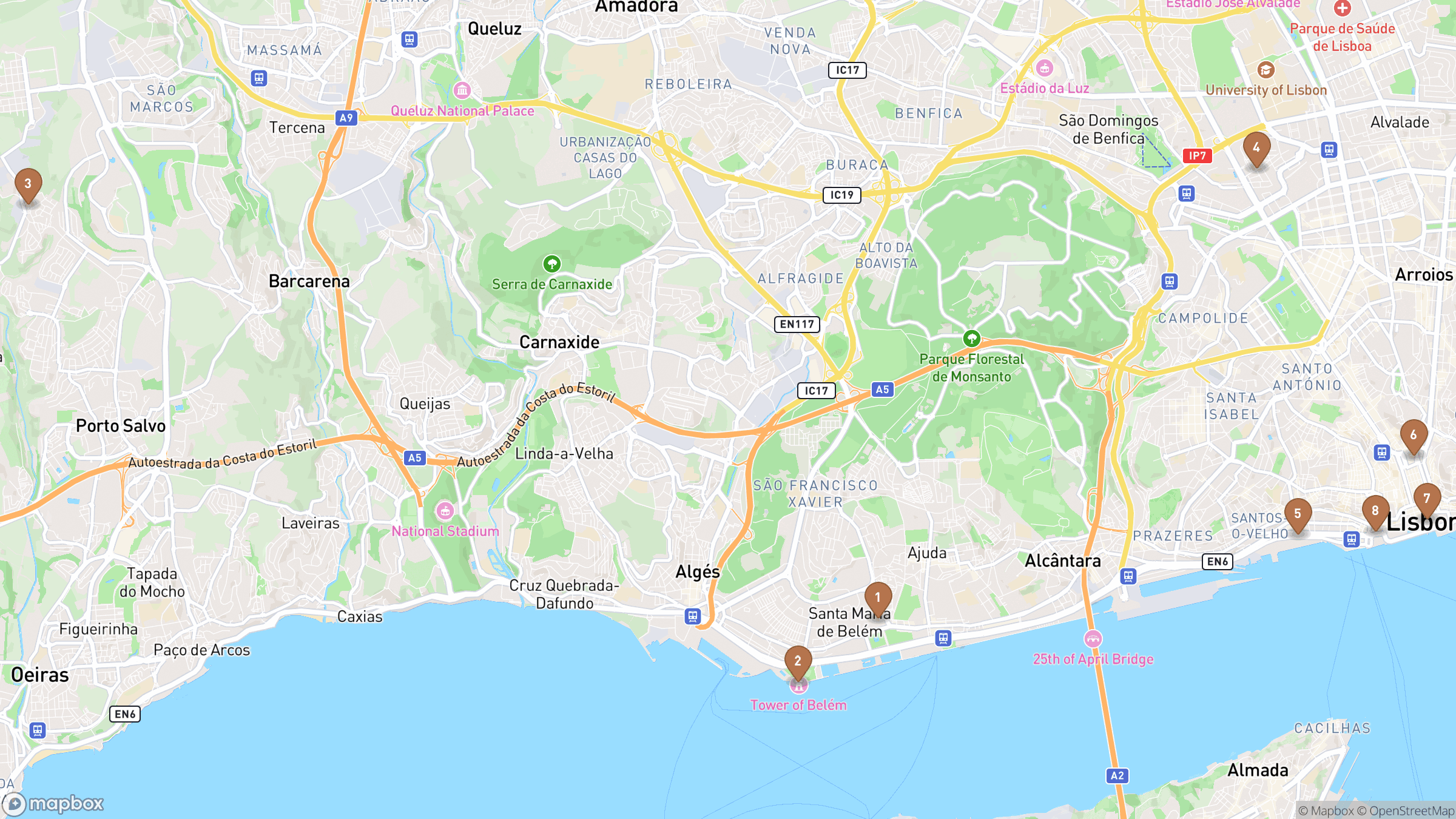
Both monuments sit in the Belém waterfront district on the bank of the Tagus River, at the entrance to Lisbon’s port. The walk between them takes 15–20 minutes along the Tagus riverfront, keeping you in the same neighborhood without cross-city transport.
The walk shows the tower’s position at the estuary entrance, clarifying its defensive role in protecting the port where monastery wealth arrived.
Visiting both monuments together clarifies how Portugal used architecture to project power—monastery as religious authority, tower as maritime defense.
Understanding the Historical Connection
Construction of Jerónimos Monastery began in 1502 as a royal foundation under the Avis dynasty, during Portugal’s maritime peak. The monastery served as a religious and ceremonial center tied to the monarchy’s self-presentation as leaders of a global empire. Its Manueline architecture features carved rope, anchors, and ship imagery on the archways, reflecting the wealth flowing into Lisbon from intercontinental trade routes established during the late 15th century.
Belém Tower was constructed around 1514 by Francisco de Arruda, combining commemorative and defensive functions. The tower commemorates Vasco da Gama’s expedition and also served to defend Lisbon’s port against potential naval threats. Its location at the entrance to the Tagus estuary made it both a symbolic gateway and a practical military structure, embodying Portugal’s dual identity as a trading power and a fortified maritime state.
The Belém complex reflects Portuguese power during the Age of Discoveries and its role in intercontinental trade routes. Both structures exemplify how architectural patronage under the Avis dynasty conveyed political legitimacy and imperial ambition.
The Recommended Routing: Monastery First, Tower Second
Start at Jerónimos Monastery to tackle the larger, more complex site while energy is high and morning light is favorable. The monastery requires more time for the cloister, church, and exhibition spaces, so positioning it early prevents rushed viewing later in the morning. The cloister alone merits careful observation, with its two-story arcade and intricate stone detailing that rewards unhurried attention.
 Photo: Jakub Hałun / Wikimedia Commons, CC BY 4.0 (cropped)
After completing the monastery visit, walk east along the Tagus waterfront toward Belém Tower. The walk takes roughly 15–20 minutes at a comfortable pace, allowing time to observe the riverfront setting and understand how the tower’s defensive position related to the port entrance.
The tower visit is shorter, but narrow staircases and single-file passages can cause you to wait behind other visitors. By scheduling the tower second, any unexpected delays there will not compress time available for the monastery’s more extensive interior.
This sequence also allows flexibility to adjust timing if queues or access conditions vary. If the monastery takes longer than anticipated, the buffer built into the schedule ensures the tower visit remains feasible. Conversely, if the monastery visit proceeds quickly, extra time can be allocated to the waterfront walk or the tower’s rooftop terrace without disrupting the overall plan.
For a full multi-day plan in Lisbon, see Lisbon in 3 days: hills, fado, and Atlantic light.
Timing and Access Logistics You Need to Know
Verify both sites are open 48 hours before your visit; closures due to state ceremonies or maintenance are not always announced widely.
Plan for timed-entry slots or longer queue times during peak season.
Check opening hours, capacity limits, and timed-entry availability at Jerónimos Monastery ticket details.
Lisbon’s riverfront winds can intensify on the exposed promenade and tower terraces. Bring a windproof jacket and plan extra time if rain or gusts develop.
How Much Time to Allocate to Each Monument
Jerónimos Monastery: 60–90 minutes total.
- Church: 20–30 minutes to observe the vaulted ceiling, tomb of Vasco da Gama, and side chapels.
- Cloister: 30–40 minutes for the arcade, sculptural details, and upper gallery.
- Museum (if included): 15–20 minutes.
Belém Tower: 45–60 minutes total.
You may wait 10–15 minutes on the spiral stairs during peak hours due to one-way traffic patterns. The rooftop terrace holds approximately 15–20 people; expect 5–10 minute waits mid-morning and afternoon.
Walking time: 15–20 minutes along the riverfront, assuming no extended stops. The promenade is level and well-maintained, with clear sightlines toward the tower, so navigation is straightforward. Pausing for photographs, reading interpretive panels, or resting on benches along the route will extend this transit time.
Total minimum window: 2.5 to 3 hours from first entry to final exit, excluding pre-queue arrival time. Add contingency for photography, crowd flow, and brief rest stops along the waterfront promenade. A realistic full-morning allocation from arrival in Belém to departure from the tower area is three to four hours.
Getting to Belém and Between the Two Sites
Transport options to Belém:
- Tram 15E from Praça da Figueira or Praça do Comércio
- Train from Cais do Sodré (10 minutes)
- Bus options available
Once you reach Belém, no further transport is needed; both sites are within a 20-minute walk.
The walk from Jerónimos to Belém Tower follows the riverfront promenade (Avenida Brasília), clearly signposted. Follow the Avenida Brasília signs westward; the tower is visible from the monastery, so you cannot get lost. The route passes additional points of interest—including the Monument to the Discoveries—allowing optional brief stops without significant detour.
Rideshare and taxi drop-off points exist near both monuments, but morning traffic can delay arrival. Belém’s narrow access roads and proximity to central Lisbon commuter routes mean congestion is common during weekday mornings. Public transport often proves faster and more predictable than private vehicle options during peak hours.
Cycling is possible via Lisbon’s bike-share network, with docking stations in Belém offering an alternative for those comfortable navigating city traffic.
Common Mistakes and How to Avoid Them
Verify access status and capacity rules 24–48 hours before visiting.
 Photo: Berthold Werner / Wikimedia Commons, CC BY-SA 4.0 (cropped)
Avoid scheduling the tower visit first. Its narrow circulation can bottleneck, eating into monastery time and creating logistical pressure to rush through the larger, more complex site. The tower’s single-file staircases and small chambers mean visitor flow is inherently slower and less predictable than in the monastery’s more spacious cloister and church.
Do not treat the monuments as unrelated sites requiring separate trips. They form a single UNESCO complex and share a historical narrative, physical proximity, and cultural landscape. Splitting the visits across different days or trips misses the interpretive value of experiencing them as a coherent heritage property.
Arriving late in the morning reduces available time and increases crowd overlap. Aim for early entry at Jerónimos to maximize time before midday heat and afternoon crowd peaks. Morning light also favors photography in the cloister and along the riverfront promenade.
Skipping the riverfront walk misses the cultural landscape context that UNESCO recognizes as part of the property. The Tagus waterfront setting is not incidental decoration but integral to understanding how these monuments functioned within Lisbon’s port infrastructure and symbolic geography.
For practical transit detail in Lisbon, see Lisbon trams, metro, and ferries: a complete transport guide.
What to Do If the Plan Changes on the Day
If Jerónimos queues are unexpectedly long, consider visiting Belém Tower first but remain aware of tower circulation slowdowns. Reversing the sequence sacrifices some logistical advantages but maintains the feasibility of a combined morning visit. Monitor queue length at both sites upon arrival in Belém before committing to a specific order.
State ceremonies, holidays, and emergency maintenance can close both sites with minimal warning. Portuguese national holidays, official state events, and emergency maintenance can close heritage sites with minimal warning, and this information may not propagate to third-party sources quickly.
Weather deterioration—rain or strong Tagus winds—affects the tower terraces and waterfront walk. Carry adaptable clothing that permits continuing the visit despite changing conditions. Lisbon’s riverfront weather can shift rapidly, and the exposed tower terraces become uncomfortable in high wind or rain, potentially shortening the tower visit or making outdoor portions unpleasant.
Carry adaptable clothing that permits continuing the visit despite changing conditions.
If time runs short, prioritize the monastery cloister and the tower’s exterior over secondary museum spaces. The cloister represents the monastery’s architectural and artistic peak, while the tower’s exterior stonework and waterfront setting convey its defensive and commemorative functions even if interior access is curtailed. Museum annexes and supplementary exhibition areas can be skipped without losing the core heritage experience.
Use the walk between sites to adjust timing rather than rushing through either monument. The promenade offers natural pause points where the schedule can be recalibrated based on actual progress. Arriving at the tower earlier or later than initially planned is preferable to abbreviating time inside the monastery’s cloister or the tower’s interior chambers simply to meet an arbitrary timetable.
Use Visit Lisboa to confirm opening hours, timed-entry availability, and seasonal schedule changes before your visit. The official tourism board’s resources help visitors account for variables like extended summer hours and holiday closures that can affect morning itinerary planning.
Wikivoyage lists other Manueline sites in Lisbon if you want to extend the morning into a full-day architectural tour.