Pena Palace or Quinta da Regaleira: Which Sintra Visit Should You Choose?
Sintra’s UNESCO Cultural Landscape hosts two distinctly different attractions: Pena Palace delivers a landmark royal palace and integrated Romantic park, while Quinta da Regaleira offers an exploratory estate centered on symbolic gardens, grottoes, and subterranean features. This guide helps you choose based on whether you prioritize royal history or symbolic exploration.
Both monuments lie within the Cultural Landscape of Sintra, recognized by UNESCO as World Heritage in 1995. Pena combines royal residence with 19th-century Romantic vision, while Regaleira emphasizes early-20th-century symbolism and architectural mystery.
Understanding what each site offers—and what it demands from visitors—allows travelers to make informed choices rather than attempt rushed visits to both.
What Each Attraction Offers: The Core Experience
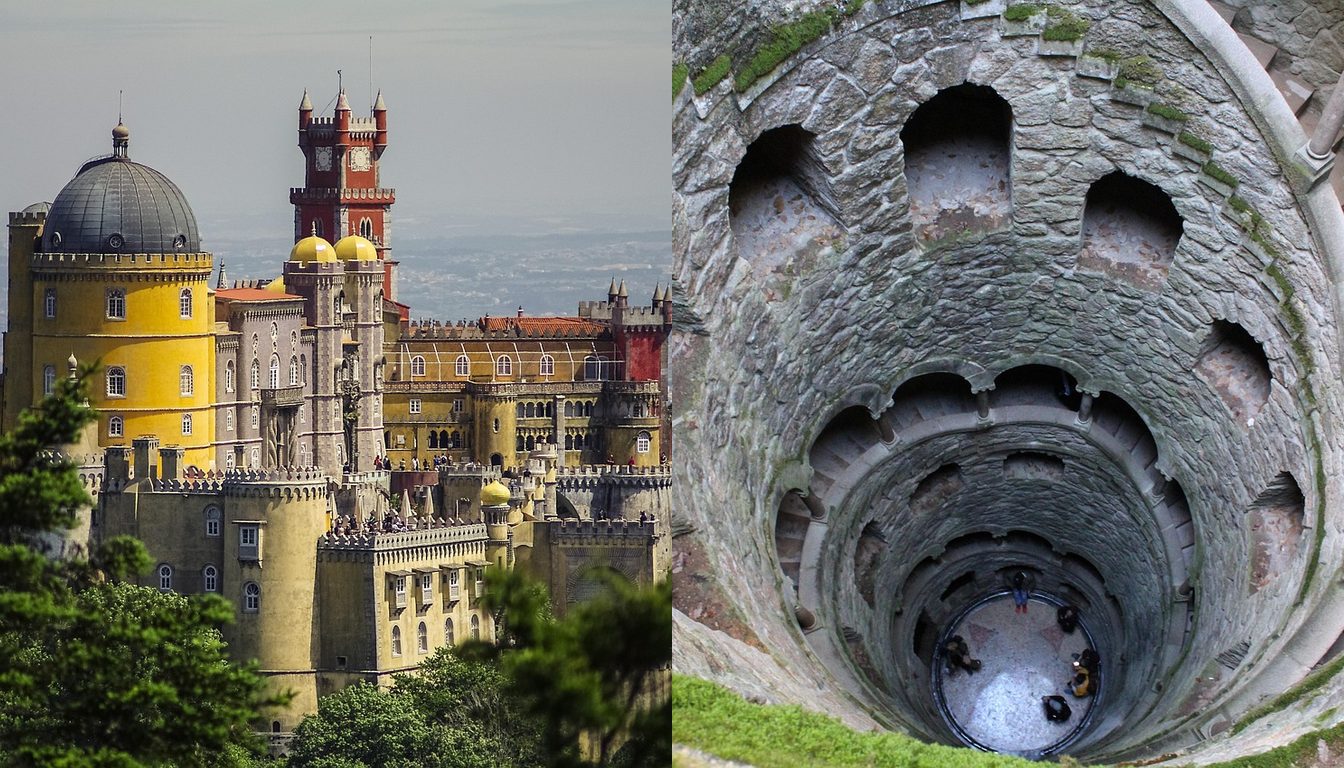
Pena Palace combines a 16th-century monastery with a mid-19th-century royal palace added by Ferdinand II, offering royal interiors, Romantic architecture, and a landscaped park conceived as an integrated ensemble. The present complex layers centuries of history: the Manueline cloister dates to 1511, reflecting the site’s earlier religious community, while Ferdinand II’s palace represents Portugal’s embrace of 19th-century Romanticism.
The Portuguese Republic classified Pena as a National Monument in 1910 and converted it into a museum, preserving royal interiors that visitors can explore today.
Quinta da Regaleira is an early-20th-century estate centered on symbolic architecture, ornamental gardens, wells, grottoes, and an extensive network of tunnels and subterranean passages. Unlike Pena’s royal pedigree, Regaleira evolved from private patronage and esoteric design principles. The estate’s main building and chapel feature ornate decoration, but the real draw lies outdoors: the Initiation Well, underground passages connecting grottoes, lakes, and hidden features designed to create a sequential, exploratory experience.
Pena prioritizes a palace-and-park experience rooted in Portuguese royal history and 19th-century Romanticism, while Regaleira emphasizes exploration, symbolism, and a more intimate estate setting. Pena’s palace interiors include furnished rooms that reflect the monarchy’s residence, while Regaleira’s interiors play a secondary role to the gardens and subterranean routes.
Both sites lie within Sintra’s UNESCO-listed Cultural Landscape, recognized in 1995. Pena demonstrates how Portugal’s monarchy embraced Romantic ideals, transforming a former monastery into a palace-park fusion. Regaleira illustrates how early-20th-century private patrons used alchemy and Rosicrucian symbolism to design estates. Choosing between them depends on whether royal history or symbolic mystery resonates more strongly with the travel itinerary at hand.
Architecture and Interiors: Palace Grandeur vs. Symbolic Estate
Pena’s palace interiors include the former royal route and private apartments, with rooms furnished to reflect the monarchy’s residence; visitors can explore a Manueline cloister from 1511 that reflects the site’s earlier religious community. The palace route varies depending on the visit selected, but both options allow access to rooms that display period furnishings, royal artifacts, and architectural details spanning Gothic, Manueline, Moorish, and Renaissance influences.
 Photo: Ulbrecht Hopper from Munchen, Germany / Wikimedia Commons, CC BY 2.0 (cropped)
The cloister, built during the reign of Manuel I, anchors the complex to its 16th-century origins, offering a tangible connection to the religious foundation that predated Ferdinand II’s palace.
Pena’s architecture blends Moorish, Gothic, Manueline, and Renaissance influences into a distinctive Romantic ensemble visible across the Sintra hills. Ferdinand II worked with the Baron von Eschwege between 1842 and 1857 to realize this vision, creating a palace whose colorful facades and eclectic silhouette became one of Portugal’s most recognizable landmarks. The building’s layered design reflects Romantic-era fascination with medieval and exotic architectural forms, adapted to Portuguese taste and royal patronage.
Quinta da Regaleira’s main building and chapel feature ornate symbolic decoration, but the estate’s focus is on outdoor features—wells, initiatic grottoes, and tunnels—rather than palace rooms. The interiors display carved stonework and decorative elements tied to esoteric symbolism, but most visitors spend limited time indoors.
The estate’s narrative unfolds through its gardens, where the Initiation Well descends in spiral staircases and underground passages connect lakes, grottoes, and hidden chambers. The architecture serves as a backdrop to the exploratory experience rather than a destination in itself.
Choose Pena if the priority is experiencing a royal palace with period furnishings and a recognizable landmark silhouette; choose Regaleira if symbolic gardens and mysterious, subterranean routes hold greater appeal. Pena offers a more conventional palace visit with documented royal history and furnished rooms. Regaleira delivers an unconventional estate where the architecture frames an outdoor journey through symbolic features.
For travelers interested in palace interiors and royal artifacts, comparing access options for Pena’s different routes clarifies what each ticket includes and how much time to allocate.
For a full multi-day plan in Paris, see Best things to do in Paris in 3 days: a curated itinerary.
Grounds and Outdoor Exploration: Landscaped Park vs. Symbolic Gardens
Pena’s park covers extensive landscaped grounds with winding paths, exotic plantings, viewpoints, and follies designed by Ferdinand II as part of the overall Romantic vision. The park and palace were conceived as an integrated work, so both are essential to understanding the monument. Trails wind through dense plantings of camellias, ferns, and tree species imported from around the world, leading to follies, lakes, and elevated viewpoints over the Sintra hills and Atlantic coast.
The park’s scale and variety demand time and comfortable footwear.
Quinta da Regaleira’s gardens are more compact but feature dense symbolic elements: the Initiation Well, underground tunnels connecting grottoes, lakes, and hidden passages designed for a sequential, exploratory experience. The estate’s layout encourages visitors to descend into wells, navigate low-ceilinged tunnels, emerge at grottoes, and follow paths that reveal new features at each turn.
The symbolic program—rooted in alchemical, Masonic, and Rosicrucian traditions—structures the experience around discovery and initiation rather than leisurely strolling.
Pena requires more walking across varied terrain and steep gradients; Regaleira involves climbing, descending stairs into wells, and navigating underground routes. Pena’s park paths are long, uneven, and sometimes steep, while Regaleira’s wells and tunnels require descending spiral staircases, crouching through passages, and climbing back to the surface.
Neither site suits visitors seeking flat, barrier-free routes. Both sites demand careful planning and sturdy footwear before arrival.
Getting There: Transport and Access Logistics
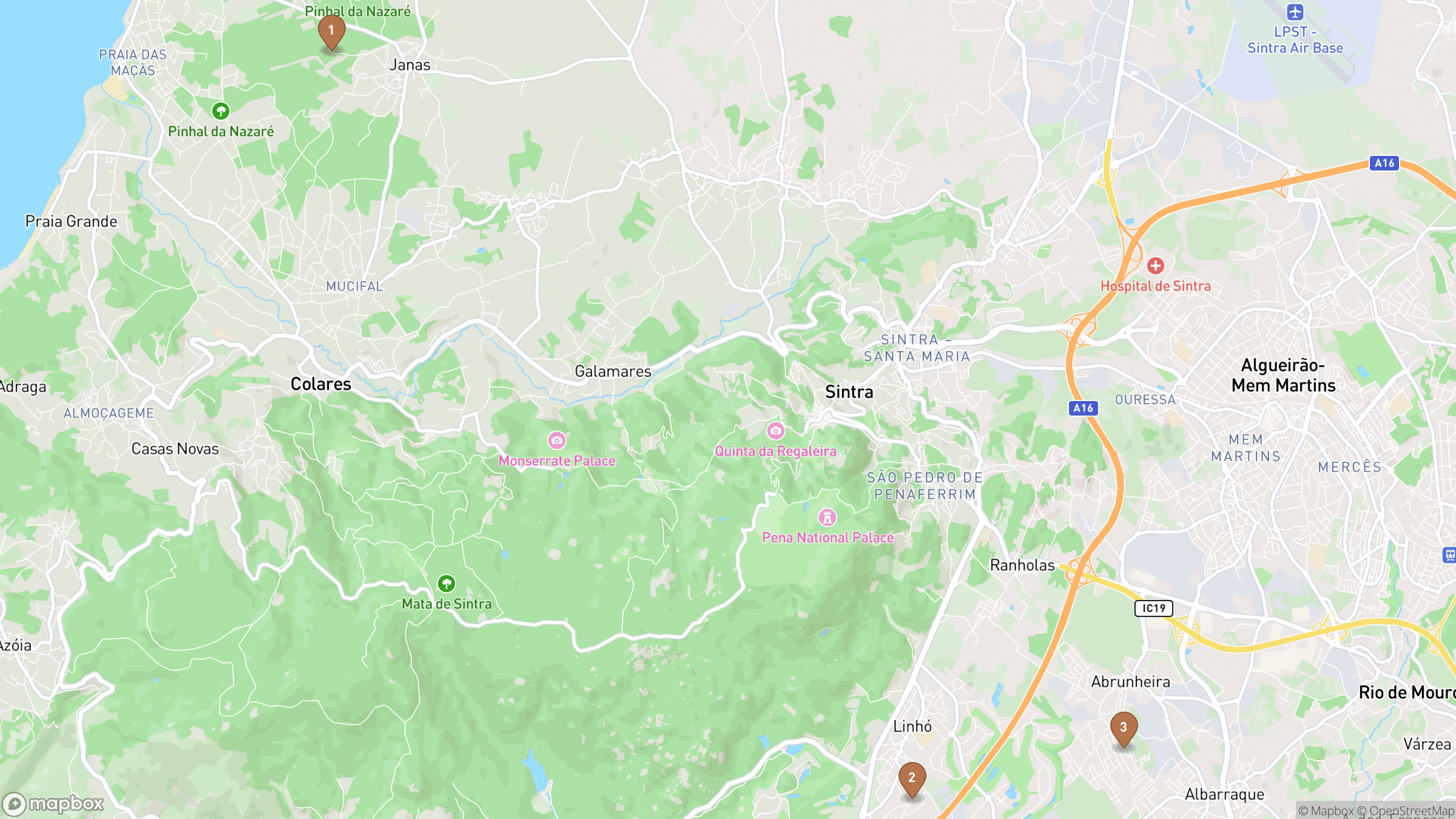
Bus 434 connects Sintra railway station with Pena and other monuments, operating on a loop route that allows travelers to board and alight at designated stops. Walking from the town center is possible but involves a steep uphill route; allow sufficient time and assess fitness levels before setting out.
A transfer operates between Pena’s main park entrance and the palace terrace. The transfer reduces the steep uphill walk. Travelers planning to use the transfer should verify availability before traveling.
Quinta da Regaleira is more centrally located within Sintra’s historic town and can be reached on foot from the railway station or by local bus. Confirm the current bus route from Sintra railway station and whether Regaleira requires timed-entry tickets before traveling. The estate’s proximity to the town center makes walking a practical option for many visitors, though the route involves some uphill sections.
Booking, Entry, and Visit Timing
You must select both the day and a scheduled time for palace entry when booking Pena tickets, even though the park itself has broader operating hours; plan transport and other Sintra visits around that fixed slot. The park remains accessible beyond the palace hours, but the palace interior—a key component of most visits—operates on a timed-entry basis.
Demand for Pena is consistently high, especially during peak travel periods. On-site ticket availability is unreliable during peak periods; book in advance to secure preferred time slots.
On-site ticket availability is unreliable during peak periods; book in advance to secure preferred time slots.
Quinta da Regaleira also experiences high demand, and advance arrangements are advisable; confirm current ticketing rules, time-slot requirements, and opening hours directly with the estate before traveling. While Pena’s booking and access procedures are well documented through Parques de Sintra, Regaleira’s current policies should be verified independently to avoid surprises. Check whether timed entry applies, what ticket options exist, and how opening hours vary by season.
Allow at least three to four hours for Pena if planning to explore both palace and park; Regaleira typically requires two to three hours, depending on how thoroughly the tunnels and gardens are navigated. Pena’s scale and integrated palace-park design mean shorter visits miss significant portions of the experience. Regaleira’s more compact footprint allows faster visits, but thorough exploration of wells, tunnels, and grottoes adds time.
Build buffer periods into Sintra itineraries to accommodate both sites properly, especially if visiting on the same day.
Physical Demands and Accessibility Considerations
The route to Pena includes a steep ramp reaching an inclination of 18% in places, and the palace interior contains stairs throughout the visitor route; mobility aids and wheelchair access are limited. Accessibility information published by Parques de Sintra details the gradients, stairs, and surface conditions visitors will encounter. The steep approach from the park entrance to the palace terrace challenges many visitors, and the interior stairs make full palace access difficult for wheelchair users or travelers with significant mobility limitations.
 Photo: Cor2701 / Wikimedia Commons, CC BY 3.0 (cropped)
Pena’s park paths are long, uneven, and sometimes steep; wear sturdy, comfortable footwear and be prepared for significant uphill walking. The park’s romantic design prioritized aesthetic integration over level pathways, resulting in routes that wind through varied terrain. Gravel paths, tree roots, and gradients require attention, especially in wet conditions when surfaces become slippery.
Quinta da Regaleira involves descending spiral staircases into wells, navigating low-ceilinged tunnels, and climbing back to the surface—conditions that may not suit visitors with limited mobility, claustrophobia, or balance concerns. The Initiation Well’s spiral descent requires confident footing and the ability to climb back up numerous steps. Underground passages involve crouching, uneven surfaces, and dim lighting.
Travelers uncomfortable with enclosed spaces or unstable footing should assess whether Regaleira’s main features align with their physical comfort levels.
Both sites present challenges for pushchairs, wheelchairs, and visitors with reduced mobility; review accessibility information and plan accordingly. Full barrier-free access is not available at either site. Families with young children in pushchairs will find significant portions of both sites inaccessible or impractical.
Travelers with mobility concerns should review official accessibility guidance, contact monument administrators with specific questions, and consider whether alternative Sintra attractions might better suit their needs.
For a full multi-day plan in Rome, see First-time visitor’s guide to Rome in 4 days.
Making the Choice: Which Attraction Suits Your Sintra Itinerary?
Choose Pena Palace if the goal is a landmark royal palace, 19th-century Romantic architecture, furnished royal interiors, and a large landscaped park designed as a unified artistic statement. Pena delivers the recognizable palace silhouette visible across Sintra, royal rooms that preserve the monarchy’s residence, and a park designed to integrate exotic plantings, viewpoints, and follies into a coherent Romantic vision.
Travelers interested in Portuguese royal history, period interiors, and documented heritage will find Pena the stronger match.
Travelers interested in Portuguese royal history, period interiors, and documented heritage will find Pena the stronger match.
Choose Quinta da Regaleira if interest lies in symbolic gardens, subterranean exploration, wells and tunnels, and a more intimate, mysterious estate experience with less emphasis on palace rooms. Regaleira appeals to visitors drawn to esoteric symbolism, architectural puzzles, and exploratory routes through gardens and underground passages.
The estate’s early-20th-century origins and private patronage contrast with Pena’s royal pedigree, offering a different lens on Sintra’s cultural landscape.
If time permits, visiting both on separate days offers the fullest picture of Sintra’s UNESCO landscape. Travelers should prioritize based on whether they prefer palace-and-history or garden-and-symbolism. Pena and Regaleira complement each other by representing different eras, patrons, and design philosophies.
Attempting both in a single day risks rushed visits that miss key features. Travelers with limited time should assess which experience aligns more closely with their interests and allocate sufficient hours to explore that site properly.
Pena is better documented in available authoritative sources and offers clearer logistical guidance. You should verify Regaleira’s current conditions and entry procedures directly before visiting. The detailed information published by Parques de Sintra for Pena—covering history, access, ticketing, and accessibility—contrasts with the need to verify Regaleira’s current policies independently.
Travelers planning a Regaleira visit should confirm opening hours, ticket rules, and transport options directly with the estate to avoid logistical surprises. Pena’s clear documentation makes planning more straightforward, while Regaleira demands more proactive research.