Lisbon Trams, Metro, and Ferries: A Complete Transport Guide
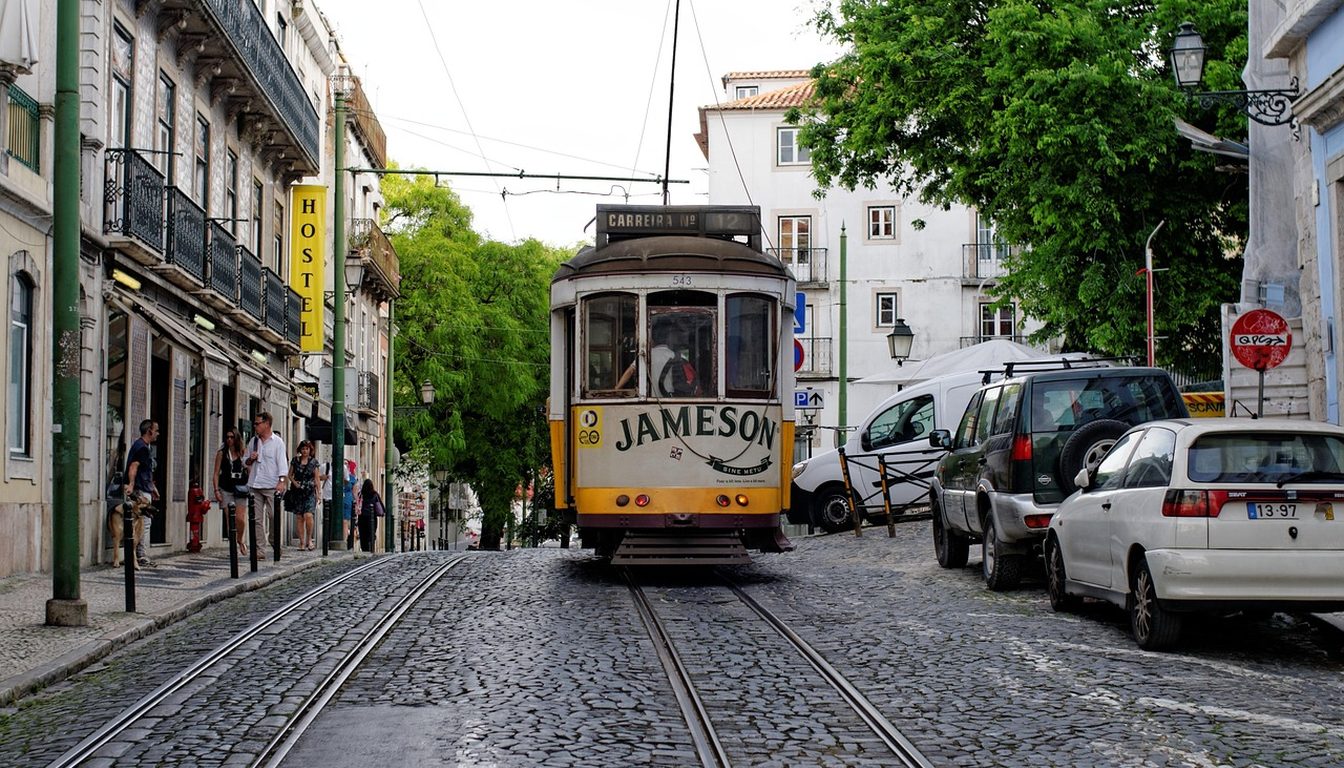
Trams climb cobbled hills where gradient exceeds 10 percent, the metro speeds through the city, and ferries glide across the Tagus. Understanding which mode to use when will transform your visit from confusing to confident.
Steep terrain forced trams into narrow medieval streets where buses cannot fit. Modern metro lines connect broader avenues and contemporary districts. For visitors, this means choosing the right mode for each journey rather than defaulting to a single option.
Understanding Lisbon’s Transport Network: Overview and Structure
Lisbon operates five main transport modes that serve distinct purposes across the urban area. The metro provides the fastest cross-city connections along four color-coded lines. Trams navigate historic districts and steep hillside neighborhoods where wider vehicles cannot operate. Buses offer comprehensive coverage across the metropolitan area, filling gaps in rail service. Funiculars and elevators provide vertical access in particularly steep zones. Ferries connect central Lisbon with the south bank across the Tagus River, functioning as integral components of the broader urban transport system rather than tourist excursions.
The metro runs four lines that reach major districts and transport hubs throughout the city. Service operates daily from approximately 6:30 AM to 1:00 AM, making it the latest option for evening travel compared to most surface transport.
Stations feature electronic displays and clear signage, with platforms designed for accessibility and climate control during summer heat.
Six tram routes operate with historic rolling stock, many original or restored, serving steep neighborhoods where buses cannot climb. While tourists favor certain scenic routes, locals depend on trams for daily access to hillside neighborhoods where alternatives are limited.
Ferries cross the Tagus at multiple points, with terminals integrated into bus and metro connections on both shores. Use your Navegante card on all modes—metro, trams, buses, ferries—without buying separate tickets. Visitors can access all five modes using this single card for streamlined travel.
Pick the wrong mode and you’ll miss connections or wait longer than necessary.
Metro: Your Fastest Route Across the City
Four color-coded metro lines form the backbone of rapid transit across Lisbon. The Blue, Yellow, Green, and Red lines connect major neighborhoods, transport terminals, and tourist zones with frequent service throughout the day. This underground network bypasses surface traffic and terrain obstacles, delivering predictable journey times that surface modes cannot match during peak hours.
Metro service runs from roughly 6:30 AM to 1:00 AM daily, extending later than most tram and bus routes. This makes the metro the default choice for late-evening returns from dinner or nightlife districts. If your dinner runs past midnight, plan a taxi or verify night-bus routes in advance—the metro gap catches many visitors off-guard.
Stations are generally accessible with elevators and escalators, though some older stops retain stairs as the primary access.
Use the metro for point-to-point travel when speed matters. Metro Red Line: Baixa to Parque das Nações, 20 minutes. Bus 5 or 25 via surface streets: 45–55 minutes depending on traffic and stops. Airport connections via the Red Line avoid taxi queues and unpredictable road traffic. The metro also connects with major rail terminals for day trips outside the capital.
Platforms feature electronic displays showing arrival times and service updates. Stations maintain air conditioning during summer, offering relief from the heat that makes surface waiting uncomfortable. Look for Portuguese and English signs at interchanges showing connecting lines and platforms.
Look for Portuguese and English signs at interchanges showing connecting lines and platforms.
Heaviest loads: 8–9:30 AM (morning) and 5:30–7 PM (evening commutes).
If your schedule allows flexibility, traveling outside these windows means less crowded carriages and easier access to seating. Metro frequency increases during peak periods, but so does passenger volume—early or late travel balances both factors in your favor.
The metro does not serve every neighborhood, particularly older hillside districts where construction costs and disruption made underground lines impractical. In these zones, trams and funiculars fill the gap. Recognize the metro’s strengths—speed, frequency, climate control—and its limitations—fixed routes, limited coverage of historic areas—to deploy it effectively.
Trams: Historic Routes and When to Use Them
Trams are daily commuter transport for residents in Alfama and Graça, where neither buses nor stairs work for everyone. Locals depend on these vehicles daily in hillside districts where narrow cobbled streets and steep gradients prevent bus access. The city operates six tram routes using a fleet that includes historic streetcars, preserving both transport function and cultural heritage through operational vehicles rather than museum displays.
 Photo: Paul Arps from The Netherlands / Wikimedia Commons, CC BY 2.0 (cropped)
Tram 28 winds through Alfama, Graça, and Estrela, offering one of Europe’s most scenic urban transport rides. This route’s fame brings crowds—mid-morning through afternoon departures often require waiting for multiple trams before boarding with reasonable space. If you’re on a tight schedule, skip Tram 28 in favor of walking these neighborhoods or using the metro to a tram junction; if you have time and don’t mind standing, go 8–9 AM. The tram climbs gradients exceeding ten percent through neighborhoods where stairs and steep alleys form the alternative pedestrian routes.
Other routes serve more localized needs with less tourist pressure. Tram 12 connects Martim Moniz with Campo Ourique through historic districts. Tram 15 runs from Praça da Figueira to Algés along the waterfront, serving commuters and providing access to Belém’s monuments. Routes 18, 24, and 25 operate in specific neighborhoods, offering practical alternatives when your destination aligns with their paths.
Trams are 40–50% slower than the metro because they stop frequently and share road space with cars and pedestrians. Use trams to reach Alfama, Graça, or Bairro Alto where metro doesn’t go, or when walking those same hills is physically difficult.
For comfortable travel on popular routes, ride early morning before 9:00 AM or late afternoon after 5:00 PM when tourist volumes decline. Locals commuting home from work create some crowding in early evening, but the mix of passengers tends to self-regulate better than pure tourist loads at midday. If you’re planning to visit major attractions in Belém, tram 15 provides practical access while avoiding the bus crowds on the same corridor.
Trams reach neighborhoods where terrain prevents bus operation. Understand trams as functional tools with historic character rather than mobile museums, and you’ll use them where they add value to your routing.
Ferries: Crossing the Tagus and South Bank Connections
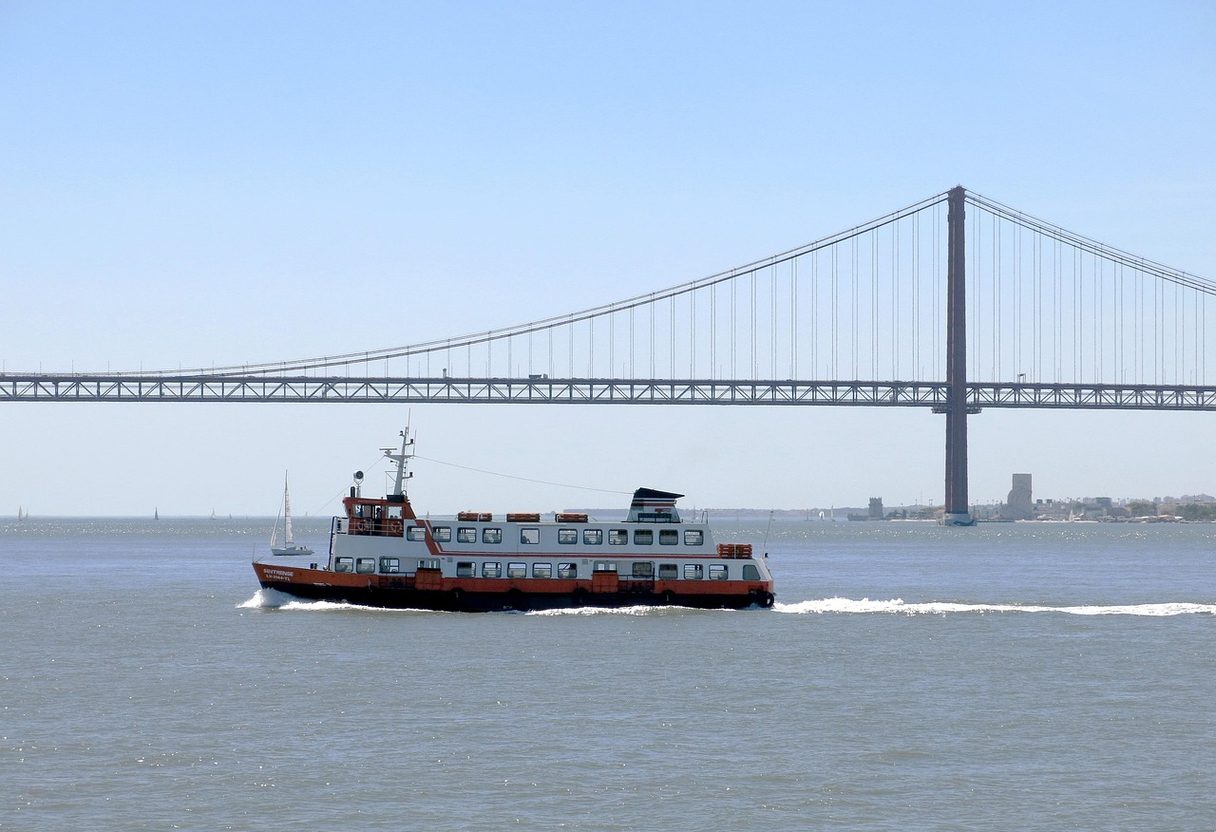
Take ferries from Cais do Sodré to Cacilhas (10 min), Montijo, or Seixal to reach south bank neighborhoods and Cristo Rei. These crossings integrate into the broader urban transport network through synchronized metro and bus connections at terminals on both shores. Treat ferries as river-based metro extensions rather than sightseeing excursions, though the waterfront views accompany every crossing as a functional bonus.
Departures increase in frequency during morning and evening commuting hours when south bank residents travel to Lisbon for work. Midday service continues at reduced intervals, sufficient for visitors whose timing is flexible. Terminals feature clear signage for different destination routes, with separate boarding areas for each ferry line.
The same rechargeable transport cards used on metro, trams, and buses work seamlessly on ferries. Validate your Navegante card at readers when entering the terminal, exactly as you would at a metro turnstile. This integration eliminates the need for separate ferry tickets or cash transactions, streamlining multi-mode journeys that include river crossings.
Consider ferry routes when visiting Cristo Rei, the Almada waterfront, or exploring south bank districts that offer different perspectives on the capital. From Baixa to Cristo Rei: ferry 10 min + bus 15 min = 25 min total. Driving via Ponte 25 de Abril adds 20+ min in peak traffic.
River crossings offer excellent views of Lisbon’s waterfront architecture, the Ponte 25 de Abril bridge, and the Cristo Rei monument. These sights accompany functional travel rather than requiring dedicated sightseeing cruises. The ferry system delivers both utility and scenery in a single journey, maximizing value from transport time rather than treating it as dead minutes between destinations.
Navegante Card and Fare Options: What Visitors Should Know
The Navegante card functions as Lisbon’s rechargeable stored-value transport card, accepted across metro, trams, buses, ferries, and funiculars throughout the metropolitan area. The Navegante card eliminates the need to find exact change or queue for paper tickets.
Purchase Navegante cards at metro stations, transport kiosks, or selected newsstands throughout the central districts. Machines and staffed windows offer card sales, with instructions available in multiple languages including English. A small one-time card fee applies, after which you load value based on your anticipated travel needs.
Day pass makes sense at 3+ trips. Single fares if you’re taking only 1–2 trips daily.
Multi-day (3–7 day) passes for intensive touring. Single fares prove economical if you’re taking only one or two trips daily, while day passes become cost-effective with three or more journeys. Multi-day options serve visitors staying several days and using public transport as their primary mobility mode.
Validate your card at readers when entering metro stations, boarding trams and buses, or accessing ferry terminals. Inspectors board trams and metros randomly. If you can’t show a validated card, you’ll pay a fine—even if you own a card but didn’t tap it.
Compare pass options against your actual itinerary rather than assuming a pass always saves money. If you plan extensive travel—multiple metro trips, several tram rides, and ferry crossings within a day—a day pass eliminates per-journey costs and simplifies budgeting. For light users making two trips daily, single fares charged to a stored-value card may prove more economical.
The Navegante system extends beyond central Lisbon to surrounding municipalities, though zones and fares vary with distance. Visitors focusing on city-center districts need only concern themselves with the basic Lisbon zone, which covers all major attractions, transport terminals, and tourist neighborhoods.
Timing, Crowds, and Safety: Practical Strategies
Metro service extends to 1:00 AM while most surface routes end around midnight, creating a gap for late-night returns that requires planning. If your evening extends past midnight, verify whether your accommodation connects to a metro line or budget for taxi or ride service alternatives. Night buses operate on limited routes but may not align with your specific origin and destination.
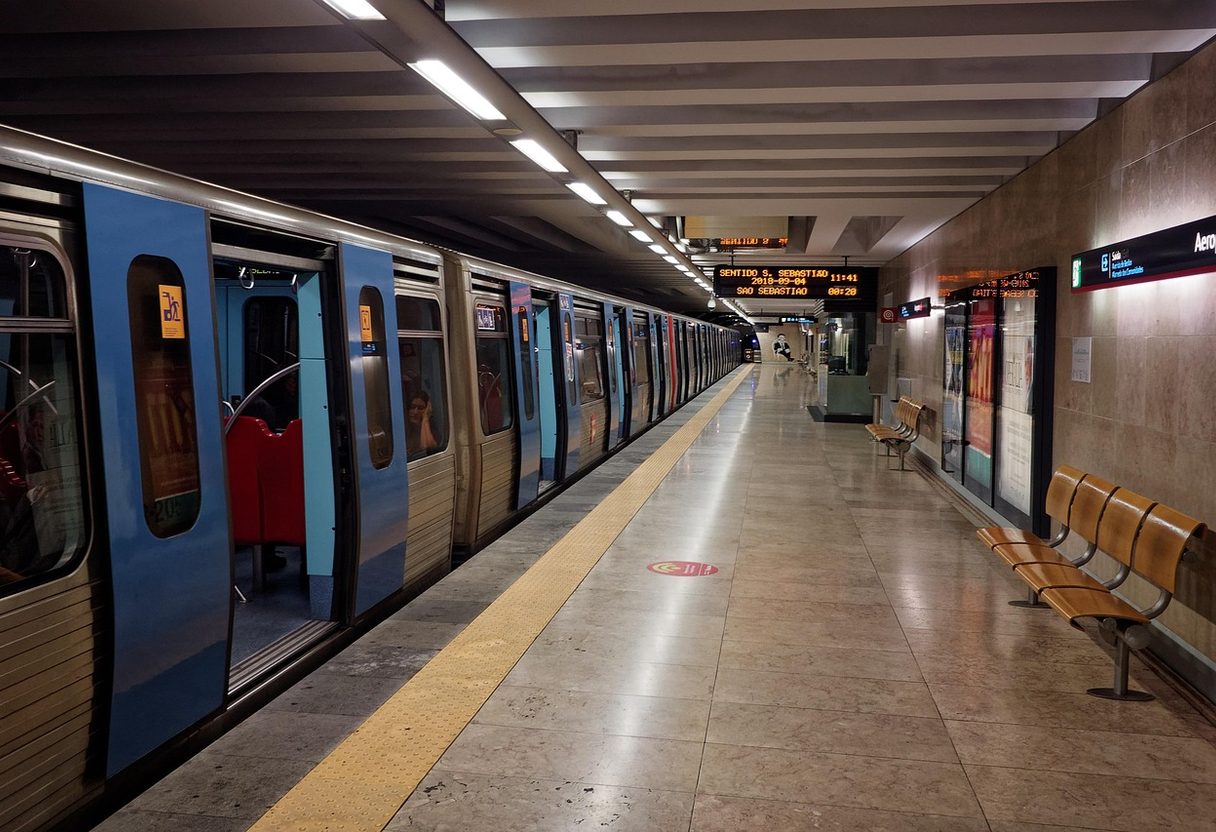
Morning rush periods from 8:00 to 9:30 AM and late afternoon commutes from 5:30 to 7:00 PM bring heavy passenger loads to all transport modes. Trams fill with workers heading to and from hillside neighborhoods. Metro carriages pack with commuters transferring between lines at interchange stations. Buses navigate congested streets while carrying standing passengers in aisles.
Travel outside these windows when your schedule permits flexibility. Late morning from 10:00 AM onward and early afternoon before 5:00 PM offer easier boarding, available seating, and more personal space. This timing also helps on popular tourist routes like Tram 28, where mid-morning crowds of visitors compound commuter volumes.
Crowded trams and metro cars create opportunities for pickpockets who exploit passenger density and distraction. Keep bags closed, positioned in front of your body, and maintain awareness of your surroundings in dense crowds. Phones and wallets in rear pockets become targets—front pockets or secure interior bag compartments reduce vulnerability.
Validate tickets before or at the start of every journey, then keep your card or ticket accessible until completing the trip. Inspectors conduct random checks throughout the network, particularly on trams and metros where they can verify entire carriages efficiently. Fines for invalid travel apply regardless of whether oversight was intentional or accidental—validation is your responsibility as the passenger.
The busiest times for public transport align with standard commuting periods. Popular tourist routes like Tram 28 experience peak crowding mid-morning through afternoon when visitor volumes overlay local use patterns. Strategic timing—early starts, late afternoon travel, off-peak scheduling—turns these patterns to your advantage.
Safety on Lisbon public transport compares favorably to other major European capitals, with violent crime rare and most concerns limited to pickpocketing in crowded conditions. Standard urban awareness—attention to belongings, recognition of unusually dense crowds, skepticism of artificial distractions—handles the majority of risk scenarios travelers encounter.
For a full multi-day plan in Paris, see Best things to do in Paris in 3 days: a curated itinerary.
Choosing the Right Mode for Your Journey
Use the metro when speed and efficiency matter most. Crossing between major districts, reaching the airport, or making time-sensitive connections all favor underground rail over surface alternatives. The metro bypasses traffic, terrain, and weather to deliver predictable journey times that other modes cannot match during peak hours.
Choose trams for hillside neighborhoods where metro coverage doesn’t reach and where streets are too narrow or steep for buses. The historic districts of Alfama, Graça, and Bairro Alto depend on trams for mechanical transport access. These routes also provide scenic value when the journey itself contributes to your experience of the city’s character.
Opt for ferries when your route includes south bank destinations or when crossing the river by bridge would add significant travel time. The Cacilhas ferry from Cais do Sodré reaches the south bank in minutes, connecting to buses serving Cristo Rei and other attractions. This proves faster than driving via the Ponte 25 de Abril during heavy traffic periods.
Buses fill gaps in metro and tram coverage, reaching suburban areas and providing alternative routing in central districts. They’re slower in central traffic but necessary for destinations not served by rail or tram. Consider buses when your origin or destination doesn’t align with fixed-rail options, accepting longer journey times as the tradeoff for comprehensive network coverage.
Combine modes intelligently using your Navegante card to transfer seamlessly between metro, tram, bus, and ferry. Take the metro to a tram junction in a historic district. Ride the ferry to the south bank and connect with buses serving your final destination. Use the metro for faster point-to-point travel and trams mainly for short scenic rides and older districts to optimize each mode’s strengths.
Match transport mode to journey purpose rather than forcing a single option for all travel. Speed-critical routing uses the metro. Access to areas without metro stations uses trams or buses. River crossings use ferries when they align with your route. This functional approach maximizes efficiency while minimizing wasted time on routes poorly suited to their assigned mode.
If you’re planning to visit Jerónimos Monastery and other Belém attractions, tram 15 provides direct access from downtown terminals while buses offer additional routing options. Compare journey times and transfer points to determine which mode best serves your specific starting location and schedule.
For a full multi-day plan in Lisbon, see Lisbon in 3 days: hills, fado, and Atlantic light.
Common Misconceptions About Lisbon Transport
Many visitors assume trams function primarily as fast citywide transit comparable to the metro. In reality, trams specialize in historic and scenic routes where their ability to navigate narrow streets and steep hills provides access unavailable to other modes. The metro handles speed across the broader city, while trams serve niche routing in specific neighborhoods.
The metro does not operate all night—service ends around 1:00 AM, creating gaps for very late returns from nightlife or evening activities. Metro hours run roughly 6:30 AM to 1:00 AM, requiring alternative transport modes for journeys outside this window. Plan late-night returns around metro hours or budget for taxi alternatives rather than assuming round-the-clock service.
Plan late-night returns around metro hours or budget for taxi alternatives rather than assuming round-the-clock service.
Some travelers believe tourist cards or passes are unnecessary because individual fares can be paid easily on board each vehicle. While technically possible, rechargeable cards like Navegante streamline validation across all modes and often reduce per-journey costs when making multiple trips. The card simplifies transfers between modes and eliminates the need to carry exact change or navigate ticket machines at each journey start.
Lisbon trams serve real transport needs beyond tourist sightseeing. Residents in hillside districts depend on these vehicles for daily access to work, shopping, and services where alternatives are impractical. While routes like Tram 28 attract heavy visitor interest, they remain working public transport carrying local passengers alongside tourists.
The perception that trams mainly serve tourism overlooks their functional role in neighborhoods where terrain prevents bus operation. These routes evolved to solve access problems created by the city’s geography, not to provide sightseeing circuits. The scenic value is real but secondary to the transport function.
Paying on board isn’t always straightforward on Lisbon transport. Some vehicles require exact change, others prefer pre-validated cards, and validation systems vary by mode. Pre-loaded Navegante cards eliminate these variables, ensuring smooth boarding without confusion at busy stops or rushed transactions while vehicles depart.
Understanding these realities—tram specialization versus metro speed, limited late-night metro service, the practical value of rechargeable cards, the dual tourist-and-local use of trams—sets accurate expectations and prevents frustration when operational realities differ from assumptions.
Lisbon’s transport network rewards visitors who match each mode to its strengths rather than treating all options as interchangeable. The metro delivers speed, trams provide access to geography-constrained neighborhoods, ferries cross water efficiently, and buses fill remaining coverage gaps. Combining these modes using a single Navegante card transforms what initially appears complex into a straightforward system for crossing the city.
Timing matters as much as mode selection—early morning and late afternoon travel avoids commuter crowds, while late-night hours require awareness of metro closure times. Safety comes down to standard urban vigilance rather than unique Lisbon risks. The operational patterns that govern crowding, service frequency, and optimal routing remain consistent once understood, turning each journey into a confident execution of local knowledge rather than tentative navigation by confused visitors.