Why Barcelona is Rethinking its Tourism Model
After decades of booming visitor numbers, Barcelona is confronting the hidden costs of mass tourism—from housing pressures to community protests—and pivoting toward a sustainable, resident-first approach. This strategic shift reflects a broader European reckoning with overtourism and signals a new chapter for one of the continent’s most-visited cities.
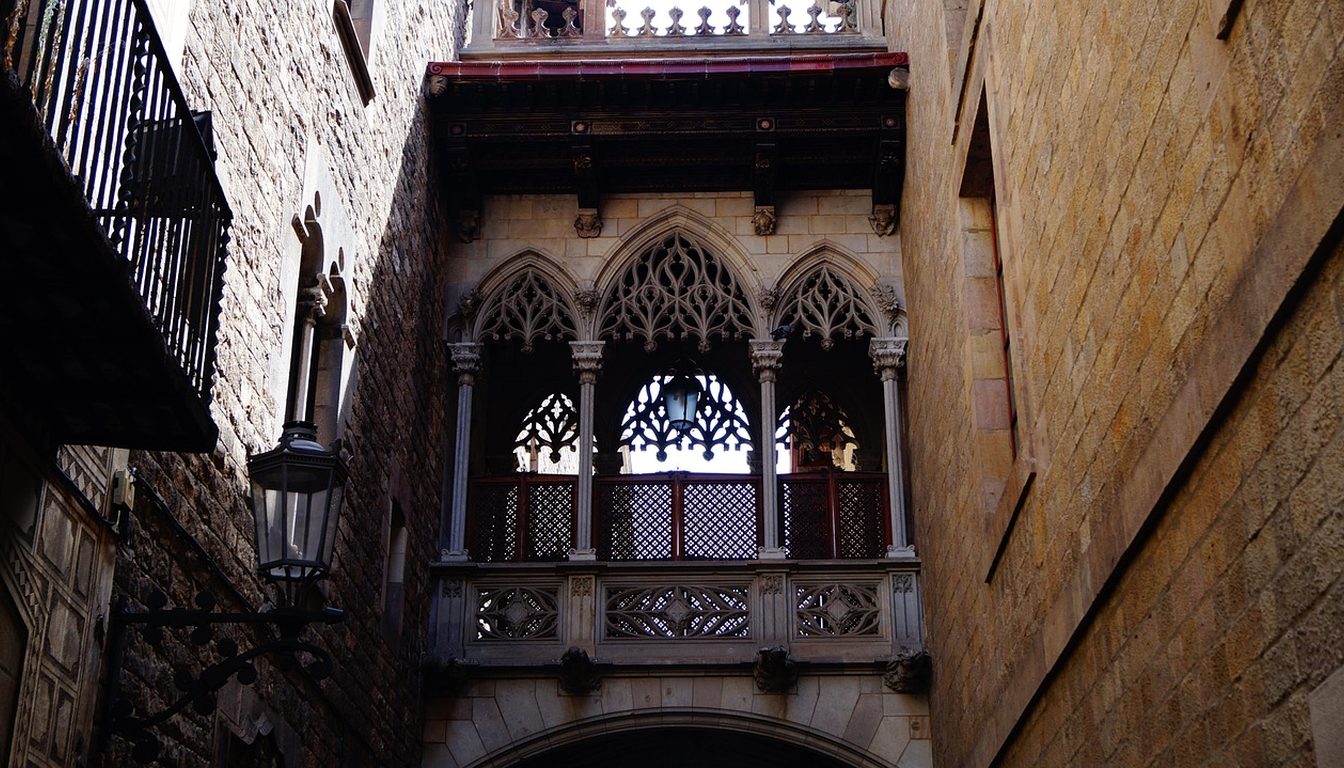
The Catalan capital’s transformation has been dramatic. The Montjuïc waterfront was abandoned industrial rubble until the '92 Olympics. Yet that success story came with unintended consequences that now threaten the Gothic Quarter’s narrow streets, choked with tour groups, and Barceloneta’s working-class bars, replaced by souvenir shops. Local authorities, regional bodies, and residents themselves are demanding a fundamentally different approach—one that tracks housing vacancy rates in the Gothic Quarter, year-on-year rent increases in peripheral districts, and transport congestion rather than just overnight stays.
What makes Barcelona’s rethink particularly significant is its willingness to implement policies that might slow or redirect growth rather than chase ever-higher visitor numbers. From steeply increased tourism taxes to a planned ban on short-term rentals, the city is testing how far a major destination can go in prioritising residents over tourism revenue. The outcomes will offer lessons—and perhaps warnings—for other European cities grappling with similar pressures.
From Olympic boom to overtourism flashpoint
Barcelona’s global tourism explosion traces back to the 1992 Olympic Games, which transformed the city’s infrastructure and international profile. The event catalysed massive urban redevelopment, opened the waterfront to public access, and overnight Barcelona became synonymous with Mediterranean culture tourism. The city’s wager on culture and connectivity paid off beyond anyone’s expectations.
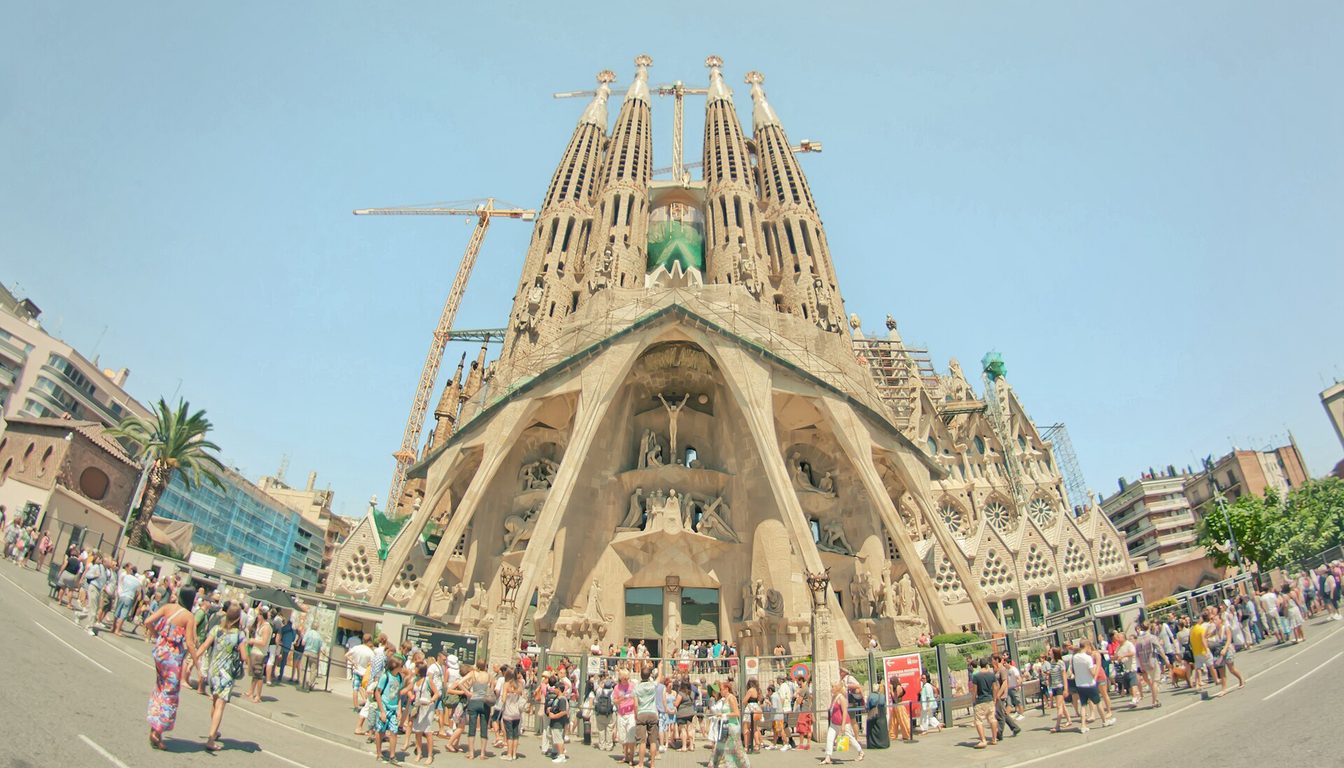
By the 2010s, however, surging visitor numbers began overwhelming central districts, straining public services and driving up housing costs. Queues at Sagrada Familia stretched for hours; La Rambla became impassable by noon; metros ran at 130% capacity. Neighbourhoods like the Gothic Quarter and Barceloneta saw long-term residents priced out as apartments converted to short-term rentals. The city’s compact, walkable layout—once an asset—became a liability as crowds concentrated in historic areas ill-equipped to handle the volume.
Queues at Sagrada Familia stretched for hours; La Rambla became impassable by noon; metros ran at 130% capacity.
Community protests and the rise of anti-tourism sentiment pushed local authorities to acknowledge that unchecked growth was harming residents’ quality of life. Graffiti reading “Tourists go home” appeared on walls, and organised demonstrations made international headlines.
These weren’t isolated complaints; they reflected a widespread sense that the city’s identity and livability were being sacrificed for tourism revenue.
The Barcelona Tourism Observatory emerged as a data-driven response, tracking connectivity, flows, and impacts to inform evidence-based policy. The Observatory revealed that 40% of visitor flow concentrated in a 2km radius; spatial redistribution became the obvious lever. According to the Observatory, the city began 2026 with an estimated 20% year-on-year increase in intercontinental air connectivity, underscoring persistent international demand that authorities now seek to manage rather than simply accommodate. This institutional infrastructure for monitoring tourism’s real-time effects has become a foundation for the city’s policy shift, as outlined by the European Commission’s Transition Pathways initiative.
The blueprint: Tourism of value over volume
Barcelona and the wider province have adopted a sustainable tourism strategy that prioritises social and environmental value rather than sheer visitor numbers. This represents a fundamental break from decades of growth-focused thinking across the European tourism industry. The Barcelona Provincial Council’s responsible tourism strategy explicitly reframes success: the goal is not to host more visitors, but to host the right visitors in ways that benefit residents and protect the environment.
The strategy embeds climate action in housing policy, waste management in transport planning. Core pillars integrate circular economy principles into regional tourism management. The strategy recognises that tourism cannot be managed in isolation; it intersects with housing, mobility, waste management, and cultural preservation.
The strategy explicitly aims to reduce overtourism, redistribute visitors across the metropolitan area, and protect residents’ wellbeing. Rather than concentrating flows in the historic centre, authorities are steering travellers toward undervisited neighbourhoods and municipalities beyond the city limits. In practice, most visitors still beeline for Sagrada Familia; whether marketing can shift behaviour remains an open question. This spatial redistribution seeks to spread economic benefits while reducing pressure on saturated areas.
This model aligns with broader European Union green and just transition frameworks, embedding tourism in long-term sustainability goals. By integrating with EU climate policy and social cohesion objectives, Barcelona’s approach gains legitimacy and access to funding mechanisms designed to support transformative change. The city is positioning itself not as an exception to European policy trends, but as a pioneer within them.
Europe’s highest tourism taxes—and where the money goes
In 2026 Barcelona raised its municipal tourism tax to between €10 and €15 per night for hotel guests, making it one of the steepest levies in Europe. The increase wasn’t gradual or tentative—it was a deliberate signal that the city would no longer subsidise tourism’s social costs through general taxation. Visitors staying in higher-category hotels pay the higher rate, creating a modest progressive structure within the levy.
The Catalan regional parliament doubled the tax on holiday rental guests, setting a ceiling of €12 per person per night. This brought short-term rental taxation roughly in line with hotel rates, addressing a long-standing distortion that had made tourist flats artificially competitive. The regional and municipal taxes stack, meaning visitors can face combined levies approaching €25 per person per night in some accommodations.
The city legally commits at least 25% of tax revenue to housing affordability programs. This hypothecation matters: the city’s legal commitment forces regular reporting to residents and housing advocates, making enforcement transparent. Housing advocates remain sceptical about whether the funding will prove sufficient, but the commitment is legally binding.
The tax is projected to generate €40 million annually for housing programs—enough to preserve or build roughly 1,500 units, though critics say the revenue barely covers 20% of housing-crisis costs. According to Reuters reporting on the legislation, the earmarking provision was central to winning political support for the increases. By making the purpose explicit and the allocation transparent, authorities aim to counter accusations that tourism taxes are simply cash grabs disguised as policy.
Phasing out tourist flats: The 2028 deadline
Barcelona plans to outlaw all short-term tourist apartments by 2028, a measure upheld by Spain’s Constitutional Court despite legal challenges. The ban is Europe’s strictest short-term rental phase-out, though Barcelona’s history of tourism regulation changes means implementation may stall. Property owners and hospitality platforms fought the decision through multiple legal venues, but Spain’s highest court affirmed the city’s authority to regulate accommodation use in response to demonstrated social need.
The ban responds to intense pressure on housing stock, with tourist flats accused of pushing out long-term residents and inflating rents. Research by housing advocates documented entire buildings converted to de facto hotels, leaving elderly residents isolated and cutting off neighbourhood regeneration. The city estimates that thousands of units could return to the long-term rental market once the ban takes full effect.
Authorities already distinguish between licensed and unlicensed accommodation, tightening enforcement and scrutiny ahead of the full phase-out. Enforcement has been spotty; housing advocates worry unlicensed operators will simply rebrand or bribe inspectors. Unlicensed flats face immediate closure and penalties, while even licensed operators know their permissions will expire in 2028. This creates uncertainty for investors but clarity for residents about the city’s direction of travel.
The policy reflects a conviction that affordable housing must take precedence over short-term rental income in a city facing acute residential scarcity. For Barcelona’s government, the calculation is straightforward: tourism generates economic activity, but housing is a fundamental right and a prerequisite for social cohesion. When the two conflict, housing wins. This principle, once controversial, now commands broad political support locally.
For practical transit detail in Barcelona, see Barcelona public transport explained: metro, FGC, and Tmb passes.
Managing demand: Capacity limits and visitor dispersion
Airlines keep adding capacity—new Asian and Latin American routes launched in 2026—even as the city implements its sustainable blueprint. The contradiction is clear: Barcelona’s demand remains strong, but its appetite for tourists has shrunk.
The city’s strategy is to manage rather than suppress visitor numbers, steering flows away from saturated central areas toward undervisited neighbourhoods and the wider metropolitan region. Cultural programming in peripheral districts, improved transport links to suburban attractions, and promotional campaigns highlighting lesser-known sites all aim to redistribute pressure. Success depends on whether visitors will follow these cues or continue to cluster in the Gothic Quarter and along La Rambla.
Sagrada Familia and Park Güell enforce strict timed-entry slots, and Sagrada Familia advance booking details are essential for anyone planning to visit. These measures, initially introduced to manage crowd safety and protect heritage, now serve the broader goal of smoothing visitor flows throughout the day and week. Advance planning has become essential for anyone hoping to experience Barcelona’s most celebrated sites.
Local authorities promote public transport, cycling, and support for local businesses beyond hotspots as part of a more spatially balanced tourism model. The messaging frames sustainable choices not as sacrifices but as ways to discover the city’s authentic character away from tourist crowds. Preliminary booking data shows only 15% of visitors venture beyond the Gothic Quarter; the pitch for authentic discovery hasn’t gained traction yet. The commitment to try reflects how seriously Barcelona takes its spatial redistribution goals.
Busting the myths: What this shift really means
Myth: Tourism taxes are simply a revenue grab. Reality: A defined share funds housing and social policy, not unrestricted budgets. The legislation creating the increased levies specifies that at least 25% must address housing affordability, with regular reporting on how the funds are spent. This hypothecation distinguishes Barcelona’s approach from cities that route tourism taxes into general funds without clear social purpose.
Myth: All tourist apartments will operate indefinitely. Reality: The 2028 ban is legally backed and actively enforced, signaling a clear policy direction. Despite industry lobbying and legal challenges, Spain’s Constitutional Court has affirmed the city’s authority to phase out short-term rentals in response to housing pressures. Visitors booking accommodation should verify licensing status and understand that the short-term rental market will shrink dramatically over the next two years.
Myth: Barcelona wants unlimited growth. Reality: Official strategy prioritises environmental and social value over visitor volume. The Barcelona Provincial Council’s responsible tourism framework explicitly seeks to reduce overtourism and redistribute visitors, not accommodate endless arrivals. This represents a fundamental departure from traditional tourism promotion, which measured success primarily in economic terms.
These misconceptions highlight the need for clearer communication between authorities and both residents and prospective visitors. The city’s messaging has sometimes been muddled, with different officials emphasising different aspects of the strategy. Residents want to know enforcement will be real; visitors need practical guidance on how to align their plans with local priorities. Bridging that communication gap will be essential if the policy shift is to command broad legitimacy.
Practical implications for visitors
Budget for higher nightly taxes on hotels and licensed rentals—these levies now rank among Europe’s steepest. Combined regional and municipal charges can add €25 or more per person per night to accommodation costs. This isn’t a hidden fee; it will appear on your bill and should be factored into your budget from the outset. The revenue funds social programs, but from a visitor’s perspective it’s a meaningful expense that makes Barcelona pricier than many comparable destinations.
Verify that any short-term rental holds a valid tourist licence; unlicensed properties face enforcement and may be unavailable before 2028. The city maintains a registry of licensed accommodations that can be checked before booking. Staying in an unlicensed flat risks disruption mid-trip if authorities shut down the property, and it undermines the city’s efforts to manage housing stock. If you can’t confirm a property’s licensing status, choose a hotel or licensed rental instead.
Consider exploring neighbourhoods and cultural sites beyond the Gothic Quarter and Barceloneta to align with local dispersion goals and discover less-crowded gems. Districts like Gràcia, Sants, and Poblenou offer authentic experiences, strong food scenes, and architectural interest without the overwhelming crowds of the historic centre. Moving beyond the tourist circuit isn’t just good citizenship—it’s often a richer way to experience the city.
Use sustainable mobility options—metro, tram, bike-share—to reduce environmental impact and support the city’s green transition objectives. Barcelona’s public transport network is extensive, efficient, and affordable. Choosing metro or bike over taxis and tour buses reduces congestion and emissions while giving you more flexibility to explore. It’s also faster during peak hours, when traffic in the city centre slows to a crawl.
For a full multi-day plan in Barcelona, see Barcelona in 3 days: beach, Gaudí, and tapas itinerary.
What this means for the future of European city tourism
Barcelona’s rethink is part of a wider European movement—Venice, Amsterdam, and others are introducing similar controls on capacity, accommodation, and visitor behaviour. These cities face different pressures but share a common diagnosis: decades of growth-first tourism policy have eroded livability and threatened the cultural authenticity that made them attractive in the first place. The policy responses vary, but the direction of travel is consistent: toward regulation, redistribution, and resident primacy.
The model tests whether major cities can remain globally connected while protecting resident quality of life, housing affordability, and environmental integrity. If Barcelona succeeds in cutting tourist flat numbers, redistributing visitors spatially, and funding social programs through tourism revenue—all without destroying its tourism economy—it will provide a template for other cities. If it fails, or if the measures prove politically unsustainable under industry pressure, the lesson will be that overtourism is intractable in globally connected cities.
Success means returning 3,000+ units to long-term rental, reducing Gothic Quarter foot traffic 30%, and achieving below 5% housing-cost growth by 2030. The Barcelona Tourism Observatory’s real-time monitoring will be crucial for demonstrating whether policies are working. Residents need to see tangible improvements in housing affordability and neighbourhood character; the tourism sector needs to see that a sustainable model can remain economically viable. Neither side will accept the other’s assurances—they’ll demand evidence.
Success means returning 3,000+ units to long-term rental, reducing Gothic Quarter foot traffic 30%, and achieving below 5% housing-cost growth by 2030.
Barcelona’s experience offers a roadmap—and a cautionary tale—for other destinations grappling with the double-edged sword of mass tourism. The roadmap shows that radical interventions are legally and politically possible when overtourism becomes acute enough. The cautionary tale lies in how long the city waited to act, how much damage accumulated in the meantime, and how uncertain the outcomes remain. Other cities watching Barcelona should ask themselves: would we rather intervene early with modest measures, or wait until crisis forces dramatic action? The choice may shape European urban tourism for decades.