The Shift from City Breaks to Slow Travel: Data Behind the Trend
Fewer travelers want to pack several cities into one trip. They want one place, one week, and actual rhythm. According to the European Travel Commission’s Long-Haul Travel Barometer, the share of long-haul travelers planning slow travel trips to Europe jumped from 22% in 2025 to 26% in 2026—a four-percentage-point increase in just twelve months. Meanwhile, a U.S. survey revealed that over 94% of Americans want to experience slow travel in the future, even though most currently take relatively short vacations averaging about eight days per year. These numbers signal a profound shift away from the traditional multi-city, fast-paced break that has dominated European tourism for decades.
This is behavioral change, not aspiration—bookings are shifting.
This isn’t just marketing—it reshapes how destinations invest, how hotels staff, how tour operators build products.
What the Numbers Say: Slow Travel’s Rise in Hard Data
The quantitative evidence for slow travel’s ascent is compelling. The European Travel Commission reports that slow travel planning among long-haul travelers to Europe grew from 22% to 26% year-over-year. This uptick matters because long-haul travelers typically represent high-value segments with significant influence on destination trends and infrastructure investment decisions.
In the United States, the numbers are even more striking. More than 94% of Americans surveyed expressed a desire to experience slow travel in the future, despite current vacation patterns averaging only eight days per trip. Nine in ten prefer nature to shopping—meaning Tuscan countryside bookings are up while Barcelona city-center hotels are struggling with occupancy. Half of those who had already taken a slow travel trip cited having time to enjoy local culture and scenery as their favorite aspect, underscoring demand for depth over checklist tourism.
Destinations and operators who ignore this reorientation will lose high-value bookings.
Defining Slow Travel: More Than Just Staying Longer
Before examining why this shift is happening, it’s worth clarifying what slow travel actually means. The European Travel Commission defines it as a shift toward traveling more slowly, staying longer in a single destination, and traveling less often overall, emphasizing deeper experiences instead of packed itineraries. Travel insurer Generali characterizes it as an alternative to conventional tourism with a looser itinerary, where travelers intentionally slow down to immerse themselves and build meaningful connections rather than ticking off bucket-list city sights.
Common practices include staying in one place for five to seven days or more, choosing one hub rather than several cities, and leaving a large portion of days unplanned to follow local recommendations and everyday rhythms. This approach contrasts sharply with the traditional week-long European break that might pack in Barcelona, Paris, and Amsterdam with two nights in each city, early-morning flights, and rushed museum visits squeezed between transport connections.
It’s not about trains versus planes. It’s about staying put long enough to know the neighborhood. While slow travelers often choose trains over planes, the defining characteristic is the intention to experience a place as residents do rather than as tourists passing through. It’s about having coffee in the same neighborhood café three mornings in a row, shopping at the local market with a reusable bag, and asking your landlord for their favorite lunch spot instead of following Instagram’s top ten list.
In practice, most travelers manage this in some neighborhoods but not others—Paris’s Marais stays packed; the 5th arrondissement’s side streets don’t.
Why Now? The Forces Driving the Shift
Multiple converging forces are propelling this transformation. BBC Travel’s 2026 outlook identifies a “return to slower-paced travel” and quieter escapes—termed “quietcations”—as defining themes, driven by demand for destinations where they won’t spend two hours queuing for a church ticket. After years of overscheduled work-from-home routines and constant digital connectivity, travelers increasingly seek holidays that offer genuine rest rather than simply relocating stress to a different timezone.
Financial caution plays a significant role as well. Deloitte’s 2026 Travel Industry Outlook notes that many travelers are becoming more conservative by cutting trip frequency, distance traveled, and in-destination activities due to economic uncertainty. This reinforces a move toward fewer, longer, and more intentional trips rather than multiple short city breaks scattered throughout the year. When you can only afford one or two holidays annually, you’re more likely to invest in depth of experience rather than breadth of destinations.
Post-pandemic fatigue with crowded hotspots and overtourism has dampened appetite for rapid multi-city itineraries. The viral photos of Venice’s narrow streets packed shoulder-to-shoulder, the hours-long queues at Barcelona’s Park Güell, and the sense of performing tourism for social media rather than experiencing it for yourself have all taken their toll. Rising awareness of sustainability and lower-carbon ground transport aligns with slow travel’s single-hub, train-over-plane ethos, particularly among younger travelers for whom climate impact shapes destination and mode choices.
Ten years ago success meant hitting 5 cities. Now booking data shows travelers repeat-visit the same destination, suggesting they measure success by return visits, not new stamps.
From Multi-City Sprints to Single-Hub Immersion
Traditional city breaks pack multiple destinations into a week, resulting in shallow engagement and travel fatigue. The typical itinerary might involve flying into London, taking a budget carrier to Barcelona, a train to Paris, and flying home from Amsterdam—spending more time in airports and train stations than in neighborhoods, and seeing each city through the lens of its top five landmarks rather than its lived reality.
Slow travel advocates recommend one base for five to ten days instead of splitting time across several cities. This approach, as travel experts note, enables deeper cultural participation through cooking classes, neighborhood cafés, local markets, and spontaneous encounters that simply aren’t possible when you’re checking out of one hotel and into another every second day. For travelers considering where to anchor an extended stay, major European hubs like Paris offer both urban richness and easy access to surrounding regions for day trips without the need to change accommodation.
Respondents want to eat like locals, skip the top-five-things-to-do list, and live neighborhood rhythms for a week. You learn which bakery has the best croissants, which metro line to avoid during rush hour, which park the locals prefer for Sunday afternoons. You stop feeling like a visitor and start feeling like a temporary resident.
Extended stays also support local economies through neighborhood apartments and locally owned guesthouses rather than transient hotel chains clustered around tourist zones. The economic multiplier effect of slow travel spending—groceries from corner shops, dinners at family-run restaurants, laundry at the local lavandería—distributes tourism revenue more broadly than the concentrated spending pattern of fast city breaks.
The Rise of Rural Escapes and Nature-Based Stays
Analyses of the 2026 travel landscape highlight growing popularity of farm stays and rural experiences, where travelers spend more time in nature and on working farms instead of focusing solely on urban attractions. This shift dovetails perfectly with the survey data showing nine in ten Americans prefer nature to shopping or poolside holidays, suggesting that the move toward slow travel encompasses not just how we travel but where we choose to go.
Quieter, nature-focused destinations offer the serenity and respite that “quietcations” promise without the infrastructure strain and overtourism pressures of major cities. A week in the Tuscan countryside, the Austrian Alps, or the Portuguese coast allows for hiking, cycling, local food experiences, and the kind of decompression that crowded city centers increasingly struggle to provide. Travelers return from these experiences reporting deeper rest and more memorable moments than they typically achieve rushing between museum queues and Instagrammable viewpoints.
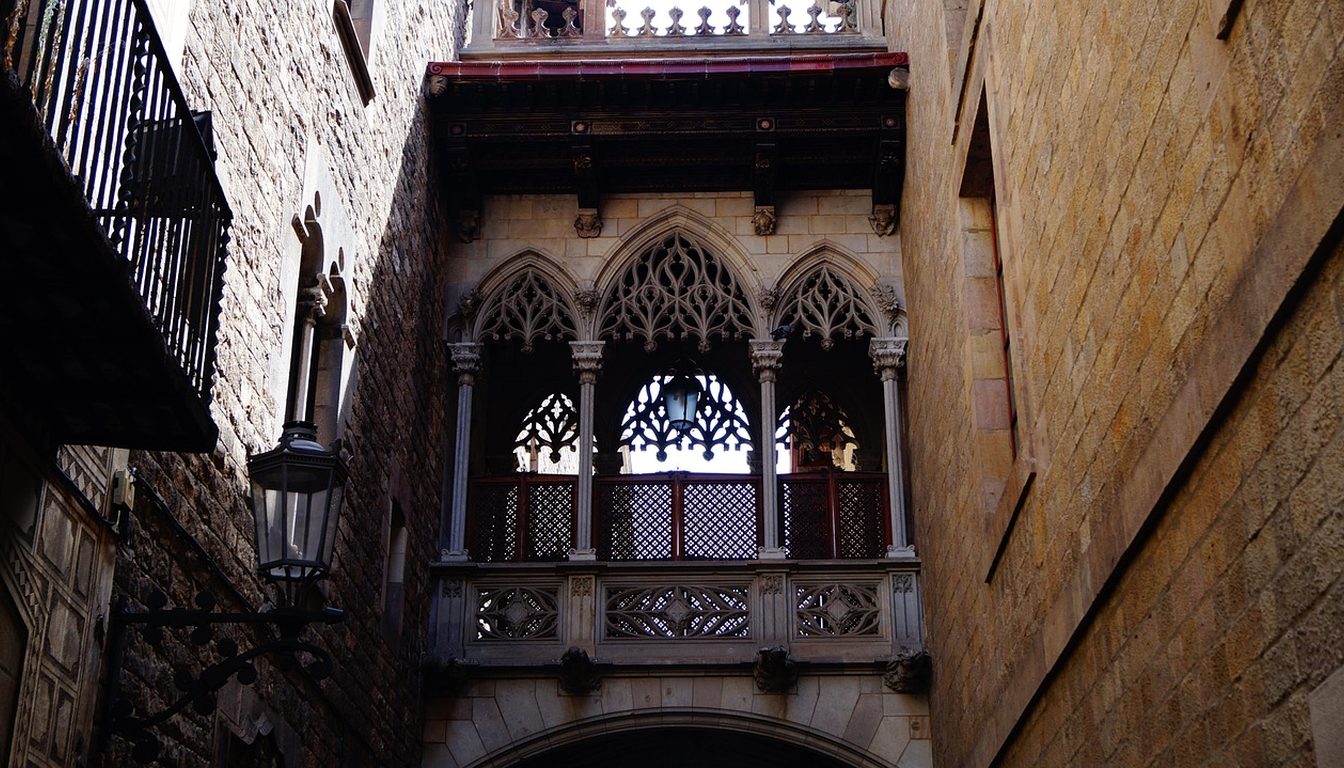
Rural slow travel reduces pressure on overtouristed urban hotspots while dispersing economic benefits to regions that have historically struggled to capture tourism revenue. Small villages with limited accommodation capacity can thrive when visitors stay a week rather than passing through for a few hours. Agricultural communities can develop agritourism offerings that provide supplemental income while maintaining working farm operations. For destinations near major cities, like the mountain monasteries and hiking trails accessible from Montserrat, the slow travel trend represents an opportunity to capture multi-day visitors seeking nature and culture beyond the urban core.
This geographic redistribution of tourism demand isn’t just economically beneficial—it’s increasingly necessary as cities grapple with the social and environmental costs of mass tourism concentrated in narrow historic centers and iconic sites.
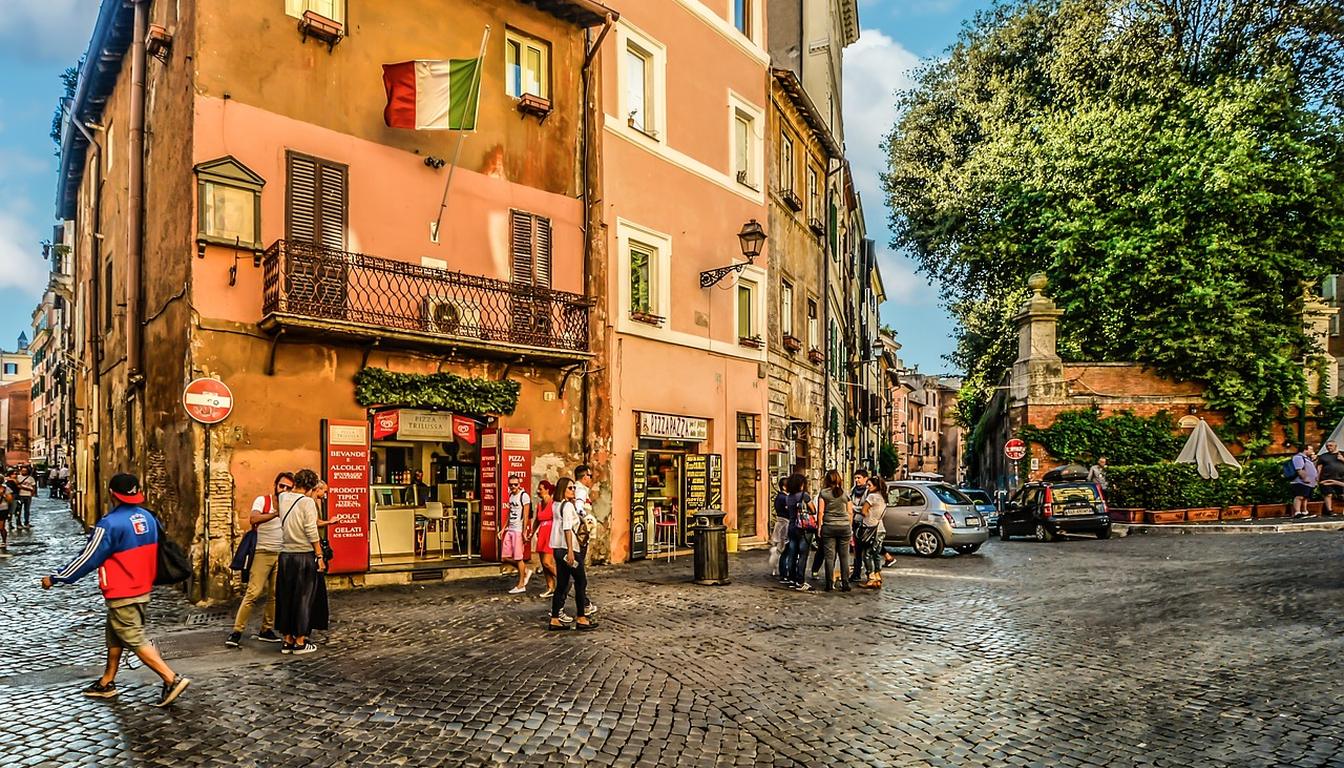
For a full multi-day plan in Rome, see First-time visitor’s guide to Rome in 4 days.
Sustainability, Transport, and the Carbon Question
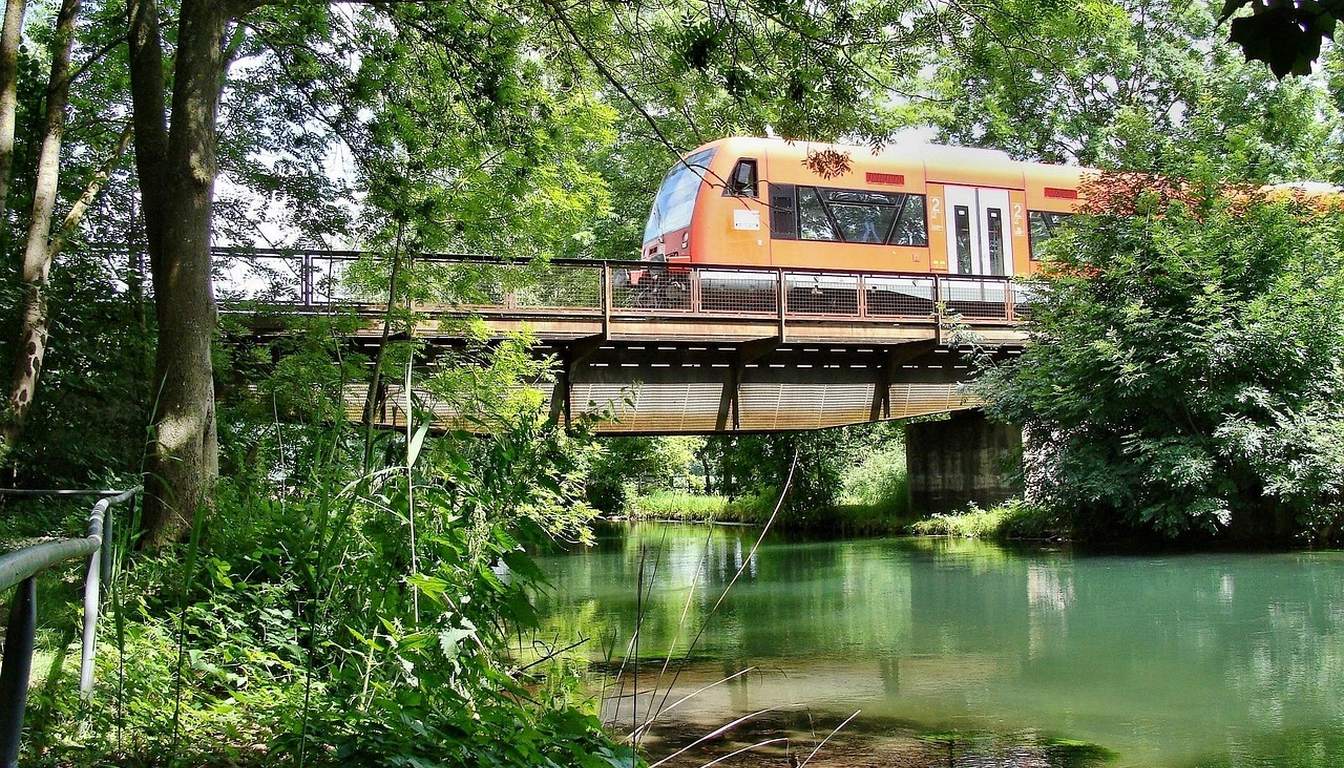
Slow travel itineraries commonly prioritize lower-carbon ground transport—trains, walking, cycling—over multiple short flights. When you’re staying in one place for a week or more, the transport mode that gets you there becomes a smaller proportion of your total trip emissions, and you can afford to choose options that take longer but emit less carbon. A train journey from London to the South of France becomes part of the experience rather than dead time to be minimized.
One flight in and out versus six cuts carbon in half. Add airport shuttles, taxi transfers, baggage fees, and the advantage grows.
Traveling less often but longer per trip lowers overall annual carbon footprint compared with frequent weekend city breaks. If you take three four-day breaks to different European cities versus one twelve-day slow travel trip, the former pattern typically involves significantly more transport emissions even if the total nights away are similar. This aligns with rising sustainability awareness and traveler desire to minimize environmental impact, particularly as climate change makes itself felt through extreme weather events and seasonal disruptions.
We don’t yet have solid carbon numbers on slow travel versus city breaks—the industry needs to measure this. The field lacks standardized measurement protocols that would allow rigorous comparison between slow travel and traditional city-break carbon footprints when accounting for all variables including accommodation type, local transport patterns, and consumption choices. This represents a significant data gap that both researchers and the industry need to address.
Dispelling Myths: Slow Travel Is Not Just for Retirees
A common misconception holds that slow travel requires unlimited vacation time and is unrealistic for working travelers with standard annual leave. The reality contradicts this assumption: over 94% of surveyed Americans expressed interest in slow travel despite averaging only eight days per vacation. The point isn’t that slow travel demands month-long sabbaticals—it’s that the same week you might have split between three cities can be invested more deeply with fewer flight changes, no midnight train transfers, and time to actually eat dinner instead of grabbing airport sandwiches.
Another myth suggests slow travel simply means taking the train instead of flying, with no other changes. In truth, it’s primarily a mindset focused on longer stays, looser itineraries, and deeper cultural immersion, not just transport choice. You can fly to your destination and still practice slow travel by staying put for a week and engaging with local life. Conversely, you can take trains between five cities in seven days and still be practicing fast tourism.
Conversely, you can take trains between five cities in seven days and still be practicing fast tourism.
Perhaps the most persistent misconception is that city breaks remain the dominant aspiration, with travelers still wanting to visit as many hotspots as possible in limited time. Recent data tell a different story: nine in ten surveyed Americans prefer quieter destinations and nature, and 2026 trends highlight a shift toward “quietcations” over traditional fast city breaks. Medium-sized cities like Lyon and Lisbon are seeing longer average stays; iconic attractions like Sagrada Familia are seeing fewer visits per capita.
These myths matter because they shape how destinations market themselves, how tour operators design products, and how travelers conceive of what’s possible within their constraints. Dispelling them opens space for more honest conversations about what travelers actually want versus what the industry has historically assumed they want.
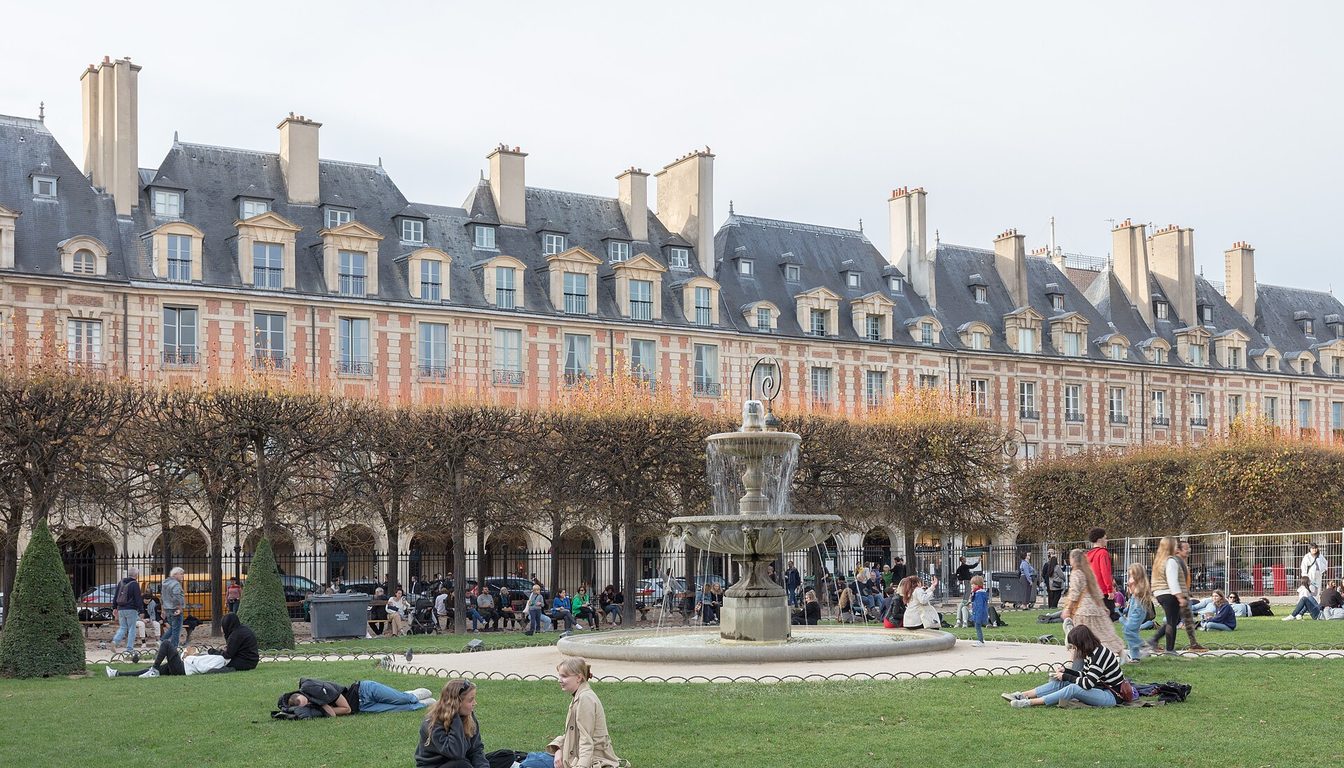
For a full multi-day plan in Paris, see Best things to do in Paris in 3 days: a curated itinerary.
What This Means for the Travel Industry and Destinations
Destinations that bet on volume—high turnover, tour groups, Instagram spots—are about to lose. Those building neighborhood depth, repeat-visitor loyalty, and mid-range dining will win.
Reduced trip frequency but longer durations shifts revenue models for accommodation, dining, and experiences. A hotel that relied on high turnover with guests staying one or two nights must recalibrate for slower check-in/check-out cycles and longer occupancy patterns. Restaurants can invest in building regular clientele among week-long visitors rather than optimizing for one-time tourist traffic. Experience providers can develop multi-day or multi-session offerings that wouldn’t be viable with overnight visitors.
Reduced trip frequency but longer durations shifts revenue models for accommodation, dining, and experiences.
Barcelona and Venice need this shift. But it won’t happen by accident—it requires pricing strategy, marketing budgets aimed at rural alternatives, and honest messaging that peak-season visits mean crowds. Local businesses benefit from extended, place-based spending rather than transient day-tripper economies, but only if they have the capacity and business models to serve longer-stay visitors effectively.
The industry must balance high intent to travel with financial caution, positioning slow travel as value-driven rather than budget. The narrative shouldn’t be “slow travel is cheaper” (though it often is) but rather “slow travel delivers deeper value and better return on your limited vacation time and money.” This framing appeals to quality-seeking travelers while acknowledging real financial constraints.
Significant data gaps remain. The industry needs globally harmonized metrics to track slow travel adoption and measure environmental impact versus traditional city breaks. Without standardized definitions and measurement frameworks, it’s difficult to separate genuine behavioral shifts from marketing narratives or to quantify the sustainability benefits that advocates claim. Destinations need better tools to understand visitor patterns, length of stay trends, and economic impacts of slow versus fast tourism to make informed infrastructure and policy decisions.
It’s not anti-city. It’s anti-checklist. Slow travelers still pick Paris—they just stay for eight days instead of two. Travelers now report better satisfaction with week-long single-destination trips—more rest, fewer decisions, lower cost per night. That’s not philosophy; that’s ROI on vacation time. For an industry built on volume and throughput, this represents both challenge and opportunity: the challenge of adapting business models and infrastructure, and the opportunity to deliver what travelers increasingly say they want—experiences that feel less like consumption and more like connection.