The Venice Entrance Fee Experiment: What Worked, What Didn’t
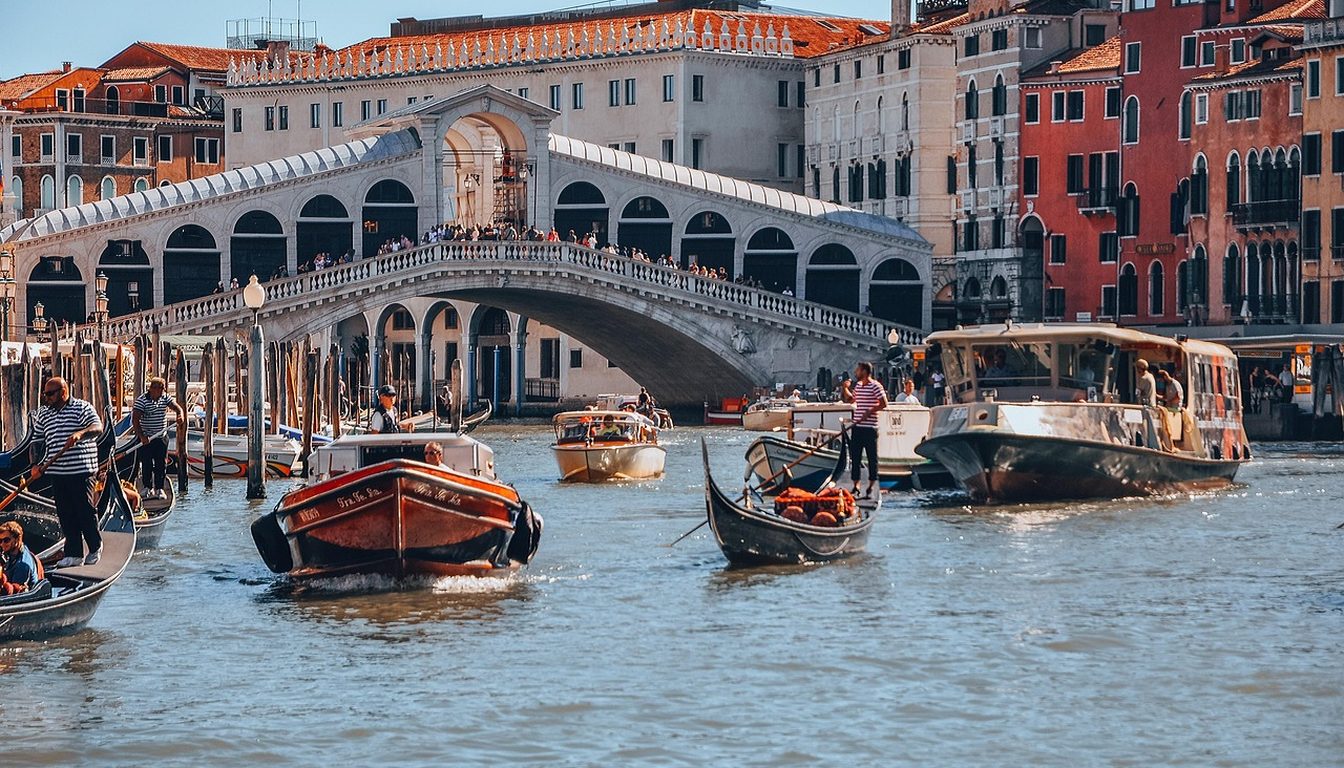
Venice’s 2026 access fee tested whether a modest charge could manage mass day-trip tourism without turning the city into a gated museum. This deep dive examines the pilot’s design, early outcomes, and what other overtourism hotspots can learn from Italy’s boldest visitor-management experiment.
For years, Venice has served as the cautionary tale of what unchecked tourism can do to a historic city. The experiment that unfolded between April and July 2026 marks the first time a major European destination attempted to price-manage day-trip flows rather than impose outright visitor caps. Whether the scheme succeeded in curbing congestion, protecting heritage, and preserving the city’s soul remains a contested question—one that carries implications far beyond the lagoon.
Why Venice Launched the Access Fee: Context and Goals
Venice has faced overtourism pressures for decades, with day-trippers outnumbering overnight guests and straining infrastructure without contributing lodging tax revenue. The imbalance became particularly acute after 2015, when cruise ships and low-cost rail connections made it trivially easy to visit the city for a few hours, snap photos at San Marco, and depart before sunset.
In Cannaregio, family bakeries closed and reopened as souvenir stalls selling masks nobody wears. Residents complained about the morning vaporetto commute—by 10am on summer weekends you couldn’t board if you actually lived there. Trash piled up on bridge steps. This wasn’t abstract decline; it was daily erosion.
The city framed the 2026 access fee as an “experimentazione”—a formal pilot scheme to test whether pricing and pre-registration could reduce congestion and improve sustainability. Unlike outright visitor caps or bans, the fee aimed to nudge behavior: shifting visit timing, encouraging overnight stays, and creating a lighter administrative footprint. The City of Venice describes the measure as an attempt to make tourism more sustainable by limiting overcrowding in the historic center, acknowledging that the policy was experimental rather than permanent.
The pilot focused on 60 high-pressure days from April to July, targeting peak weekend and holiday flows rather than year-round tourism. By applying the fee only during known congestion windows, Venice sought to preserve cultural and economic vibrancy during quieter periods while testing whether even a small financial barrier could influence visitor behavior during the most intense weeks of the season. The approach reflected a pragmatic recognition that full-year restrictions would face insurmountable political and legal challenges.
How the Pilot Worked: Mechanics, Fees, and Exemptions
Day-trippers aged 14 and older paid a tiered rate: those who booked at least four days in advance paid a lower amount, while last-minute bookings carried a higher fee. The two-tier structure was designed to incentivize advance planning, giving the city better visibility into expected flows and enabling proactive crowd management.
Travelers wanting to save money had to choose off-peak days—a clear financial incentive.
The fee applied only on 60 designated days—mainly Fridays to Sundays from April to July, with additional full weeks at the end of April and the first week of June. Crucially, the charge was only active between 8:30am and 4pm, creating a targeted time window that left early-morning and evening arrivals unaffected. This temporal specificity was a strategic choice: by sparing dawn and dusk visitors, the city preserved access for cultural activities, dining, and evening strolls that residents and tourism operators alike valued.
The fee applied only on 60 designated days—mainly Fridays to Sundays from April to July, with additional full weeks at the end of April and the first week of June.
Overnight guests, residents of Veneto, children under 14, students enrolled in Venice, and several other categories were exempt but still required to register and carry a QR code.
The registration requirement was universal—even those not paying needed to request an exemption online. This gave the city a near-complete picture of who was entering the historic center on fee days, a data asset it had never captured before.
Enforcement relied on random QR-code checks at main entry points like Santa Lucia station rather than physical turnstiles, keeping the system relatively light-touch. The decision to avoid fixed barriers was deliberate: city officials and heritage advocates feared that turnstiles would transform Venice into a theme park, eroding its identity as a living city. Random inspections by staff carrying handheld scanners offered a compromise—visible enough to encourage compliance, but not so obtrusive as to fundamentally alter the urban fabric.
The historic center (area 1) was the sole fee zone; Mestre, the airport, and mainland areas remained outside the scheme. This geographic boundary meant that travelers passing through Venice’s mainland infrastructure—or staying in Mestre and making quick forays into the historic center—could still visit without registration, provided they timed their entry outside the 8:30am–4pm window or visited on non-fee days.
For a full multi-day plan in Paris, see Best things to do in Paris in 3 days: a curated itinerary.
What Worked: Early Signals of Success
The advance-booking discount successfully encouraged pre-registration, giving the city better visibility into expected visitor flows and enabling proactive crowd management. Preliminary reports from municipal officials suggested that a significant majority of day-trippers who registered did so more than four days ahead, signaling that the financial nudge was strong enough to influence planning behavior. This pre-visibility allowed the city to deploy additional staff, coordinate with transport operators, and communicate congestion alerts in real time.
By limiting the fee to peak hours (8:30am–4pm) and peak days, the scheme avoided penalizing evening or off-season visitors, preserving cultural and economic vibrancy outside pressure windows. The temporal targeting meant that visitors arriving for aperitivo at sunset, attending evening concerts, or exploring the city in the quieter winter months faced no barrier. This preserved Venice’s identity as a cultural capital rather than a daylight-only attraction.
Exemptions for overnight guests reinforced the city’s strategic preference for higher-value, lower-impact tourism over same-day crowds. By distinguishing between tourists who contribute lodging taxes, support restaurants and shops over multiple days, and generally have a lighter per-capita impact from those who arrive on the morning train and leave by mid-afternoon, the fee structure aligned with broader destination-management goals. Overnight visitors still had to register, but the absence of a charge sent a clear signal about which type of tourism the city valued.
The soft, QR-based enforcement avoided the physical barriers and “theme park” aesthetic that many residents and heritage advocates feared, maintaining Venice’s open character. Random checks struck a balance between deterrence and accessibility. While no comprehensive enforcement data has been released, anecdotal reports from Rick Steves’ travel community suggest that most visitors encountered at least one check during their day, enough to make non-registration feel risky without creating bottlenecks at every bridge.
What Didn’t Work: Gaps, Confusion, and Unintended Consequences
Widespread visitor confusion about who must pay, which days apply, and how to register undermined compliance and strained customer-service resources. Despite multilingual information campaigns, many travelers arrived at Santa Lucia station unaware of the requirement, leading to queues at information desks and frustration among both visitors and staff. The complexity of exemptions—particularly the distinction between children, students, and residents—proved difficult to communicate clearly across diverse audiences.
Random enforcement at entry points proved inconsistent, leading to perceptions of unfairness and limited deterrent effect for non-registered day-trippers. Some visitors reported passing through multiple checkpoints without ever being asked to show their QR code, while others were stopped immediately upon arrival.
For a CEO managing visitor flow, this randomness is frustrating—you can’t plan interventions based on inconsistent enforcement.
The modest fee level likely had minimal impact on affluent tourists, raising questions about whether pricing alone can meaningfully deter demand without higher thresholds. For visitors from wealthy markets accustomed to paying far more for museum entries or guided tours, the differential between advance and last-minute booking was too small to change behavior. If the goal was demand suppression rather than data collection, the price point may have been set too low.
No authoritative data on visitor-number changes, congestion metrics, or environmental outcomes was released during the pilot, making it difficult to assess real-world impact. Without transparent reporting on daily visitor counts before and after the fee, pedestrian flow measurements on key bridges, or waste and water-quality indicators, the experiment remains opaque.
From a destination-management view, killing off-season demand to save peak season is self-defeating—Venice needed to spread visitors across months, not crush them into a narrower window.
Common Myths and Misunderstandings About the Fee
Venice’s communications failed to emphasize that hotel guests didn’t pay the fee—only day-trippers did. This confusion was amplified by early media coverage that framed the scheme as “Venice charges tourists to enter,” without adequately distinguishing day-trippers from overnight stays. The result was a wave of cancellations and complaint emails from travelers who thought they would be charged on top of their accommodation costs.
The idea that the fee applied year-round and at all hours persisted in media coverage, obscuring its targeted, 60-day, peak-hours-only design. Social media discussions frequently treated the experiment as a permanent, always-on entry tax, distorting both the policy’s intent and its real-world footprint. Correcting this misconception proved difficult, as sensational headlines outlasted nuanced explainers.
Confusion over geography led some to think even airport or Mestre arrivals required payment, though the fee zone covered only the historic center. Travelers staying in mainland hotels or arriving for business meetings in Mestre often registered unnecessarily, adding to the administrative burden without contributing to congestion management in the lagoon city. The Italy Rail guide clarifies that the fee is limited to the historic center access zone, but many visitors missed this detail.
Families often assumed children had to pay, unaware of the under-14 exemption, adding unnecessary friction to the booking process. Parents registering multiple children and paying fees that weren’t required created both financial overcharges and logistical headaches when trying to claim refunds later. The exemption for minors was clearly stated in official documentation, but registration platforms didn’t always prevent accidental payments.
Lessons for Other Overtourism Hotspots
Targeted interventions—specific days, hours, visitor types—can reduce political backlash and preserve shoulder-season accessibility, a model applicable to Barcelona, Amsterdam, and Kyoto. By avoiding blanket restrictions, Venice demonstrated that it’s possible to address acute pressure points without shutting down a destination year-round.
This nuance matters in cities where tourism underpins livelihoods and where full-time residents value access to their own cultural assets. Advance registration and tiered pricing yield valuable visitor-flow data for city planners, even if behavioral nudges prove modest. The QR-code system created a digital trail of when, how, and from where visitors entered—data that can inform future infrastructure investments, transport schedules, and even heritage-site staffing. Even if the fee didn’t drastically reduce numbers, the information architecture it created has lasting value.
Venice’s website crashed during peak registration hours, and the call center was swamped in non-Italian languages—a failure that undermined the whole scheme. Cities considering similar schemes should budget as much for customer service and public education as for enforcement. The friction caused by unclear messaging likely reduced compliance more than any deliberate resistance.
Without transparent impact reporting and published metrics, experimental policies risk appearing opaque or ineffective, eroding public and industry trust. Venice’s reluctance to release granular data—whether because analysis is ongoing or results are unflattering—has left observers guessing. Future experiments need pre-committed evaluation frameworks, published methodologies, and regular interim reports to maintain legitimacy.
Pricing alone may be insufficient to manage demand in high-value destinations; complementary measures (capacity limits, enhanced public transport, resident-priority zones) warrant parallel testing. The Venice experiment shows that a fee can nudge behavior at the margins, but cities facing severe overtourism may need to layer multiple interventions—better bus and vaporetto service, pedestrianized zones with local-resident access, dynamic pricing that adjusts to real-time crowding—to achieve meaningful change.
What Comes Next: Future of Access Management in Venice
Venice’s silence is deafening—six months in, no one knows the success metrics, and the city hasn’t published any evaluation plan. This ambiguity leaves stakeholders—residents, businesses, tourism operators—uncertain whether the system will expand, contract, or disappear entirely after the pilot concludes.
Potential next steps include raising the fee, expanding the calendar of fee days, introducing dynamic pricing based on real-time congestion, or shifting to hard visitor caps.
Each option carries trade-offs. Higher fees risk excluding budget travelers and lower-income markets, potentially skewing Venice’s visitor demographics even further toward affluent Northern Europeans. Expanding fee days could normalize the system but also extend the administrative burden and public-relations challenge. Dynamic pricing—charging more when bridges are crowded, less when they’re empty—would require real-time monitoring infrastructure and might feel too transactional for a UNESCO heritage site. Hard caps (a maximum number of daily entries) would be legally and logistically complex but might deliver the clearest congestion benefits.
Political and resident sentiment will shape decisions: some locals welcome any tool to reduce day-trip crowds, while others fear creeping commercialization and exclusion. Neighborhood associations have split over whether the experiment represents meaningful protection of Venetian life or a troubling step toward treating the city as a ticketed attraction. Election cycles and shifts in municipal leadership could dramatically alter the policy’s trajectory.
Venice’s experiment is already being cited by Barcelona and Prague—and by EU officials debating whether UNESCO sites should have pricing authority.
Venice dared to ask: can you charge for entry to a European city and still call yourself open? The EU hasn’t answered yet.
Venice dared to ask: can you charge for entry to a European city and still call yourself open?
Other cities—Prague, Dubrovnik, Santorini—are watching closely, and Venice’s willingness to publish honest, detailed evaluations will determine how much others can learn.
For a full multi-day plan in Rome, see First-time visitor’s guide to Rome in 4 days.
Practical Takeaways for Travelers Planning a Venice Visit
Check the official calendar before booking to see if your dates fall on a fee day, and budget for the charge if you’re day-tripping. The City of Venice platform publishes the list of application dates well in advance, making it straightforward to plan around them if you prefer to avoid the fee entirely. Even if you’re comfortable paying, knowing the schedule prevents surprises at the station.
Register and pay at least four days in advance to secure the lower rate and avoid last-minute hassle. The registration process takes only a few minutes and generates a QR code instantly. Waiting until the last day not only costs more but also risks technical glitches or website slowdowns as other travelers scramble to comply.
If staying overnight in Venice, complete the exemption request online and keep your QR code accessible for spot checks. Hotel guests sometimes assume their accommodation provider handles registration automatically, but the responsibility lies with the traveler. Carrying a screenshot or printout of your exemption code ensures you won’t be caught off-guard if an inspector approaches.
Consider arriving before 8:30am or after 4pm on fee days to avoid the charge entirely, while still experiencing the city. If you arrive before 8:30am, you’ll see fishmongers setting up on the waterfront, not tour groups. Evening arrivals allow for dinner, a twilight walk, and a fuller sense of the city’s rhythm without triggering the access requirement.
Bring a printout—Venice’s stone architecture kills phone signals near bridge checkpoints. A backup paper copy costs nothing and eliminates a potential hassle.