Eiffel Tower Summit or Second Floor: Which Level Is Actually Worth It?
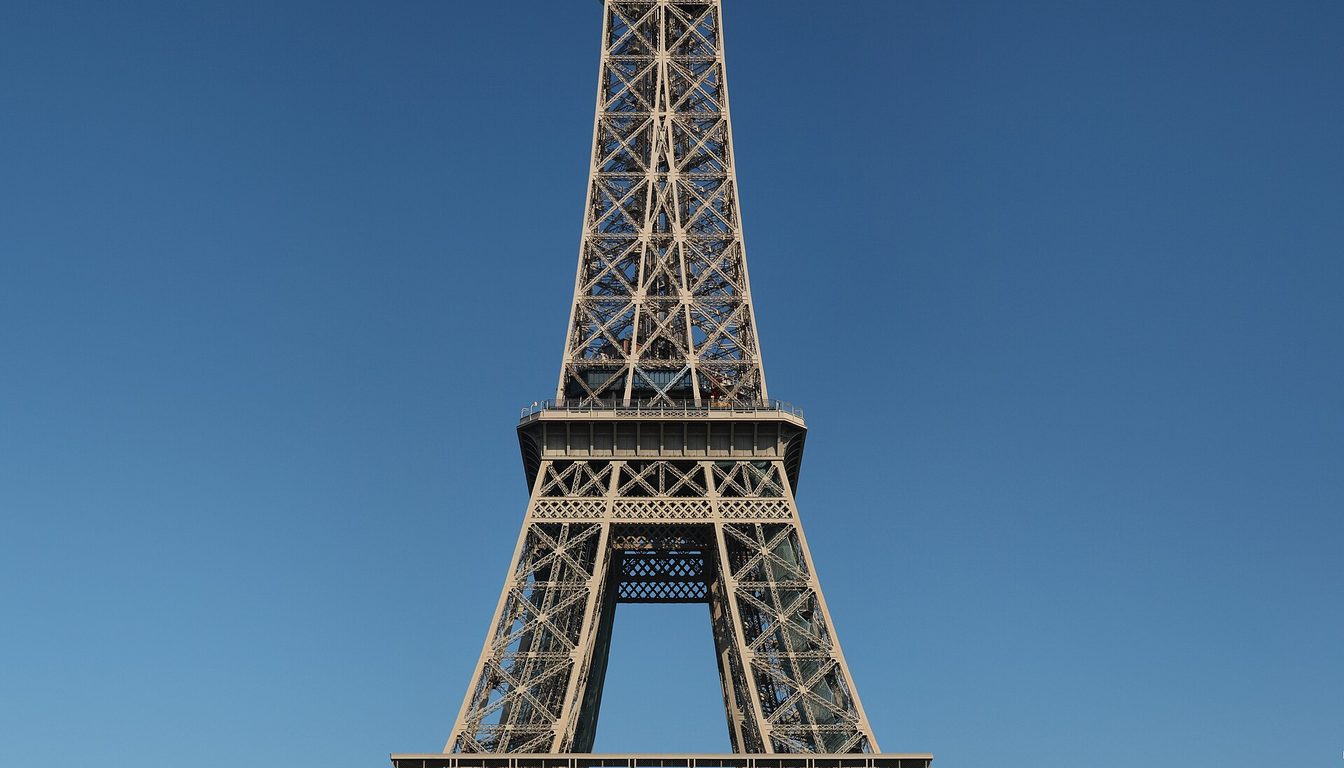
Both levels deliver expansive Paris views, but they offer very different experiences. This guide breaks down which level suits your priorities—whether you want maximum height or the ability to spot individual streets and buildings.
Choosing between the Eiffel Tower’s two main visitor levels comes down to understanding what each altitude delivers and matching that to your own travel priorities.
The second floor provides extensive viewing space and clear landmark identification. The summit offers the highest publicly accessible panorama but with more logistical constraints.
For many international visitors planning their first Paris trip, the decision involves balancing the desire for maximum elevation against practical considerations like access, mobility, and the level of detail they want from the cityscape. This article walks through the concrete differences—height, space, views, access methods, and operational realities—so you can make an informed choice based on how you actually want to experience the tower.
Understanding the Two Key Levels: Height and Access
The second floor sits at approximately 115 metres above ground, offering two full levels to explore. At 115 metres, you’re high enough to see the Seine’s path across the city, low enough to identify individual buildings. The dual-level design gives the second floor substantial physical space, allowing visitors to move between different vantage points and explore at a comfortable pace.
 Photo: Maksim Sokolov (maxergon.com) / Wikimedia Commons, CC BY-SA 4.0 (cropped)
The summit reaches approximately 276 metres, with both indoor and open-air viewing areas. This upper level delivers the tower’s maximum publicly accessible elevation and provides a 360-degree aerial perspective across Paris and its surrounding region. The summit offers a cramped platform but delivers an unmatched sense of aerial scale; the second floor gives you room to move and lets you identify specific streets.
Visitors cannot climb stairs all the way to the summit—elevator access from the second floor is mandatory. The public stairway ends at the second floor, requiring anyone heading higher to transfer to an elevator for the final ascent. This operational constraint means summit visits always involve at least one elevator journey, regardless of whether you walk the first 674 steps or take the lift from ground level.
You must buy a separate ticket for the summit; second-floor admission does not cover it. This separation means travelers need to decide their intended level before securing entry, and upgrading from a second-floor ticket to summit access is not always straightforward depending on availability and conditions at the time of visit. According to the Eiffel Tower site, each level has distinct ticketing and access protocols that visitors should confirm in advance.
What You’ll Actually See From the Second Floor
The second floor provides a broad, detailed perspective on Paris landmarks—close enough to identify streets, buildings, and monuments clearly. From this altitude, recognizable structures like the Arc de Triomphe, the Seine’s winding path through the city, and major Paris districts appear in sharp relief. This altitude avoids the haze that clouds summit photos while keeping buildings large enough to photograph distinctly.
Two full levels give visitors space to walk around and explore different vantage points at a comfortable pace. The summit’s open-air section is a narrow platform; the second floor spreads across two full levels with multiple alcoves. The extra room reduces the feeling of congestion and allows for more varied photographic compositions.
The altitude strikes a balance between elevation and detail, making it ideal for photography and orientation. Unlike ground-level views that can be obstructed by buildings or street-level views that lack context, the second floor sits high enough to provide clear sightlines without the atmospheric haze or extreme distance that can affect summit photography.
For travelers looking to connect their Eiffel Tower visit with other Paris landmarks, the second floor’s clarity can help map out the rest of your itinerary. You might spot the Arc de Triomphe and decide to prioritize that monument next, or identify neighborhoods you want to explore on foot after your tower visit.
What the Summit Offers (and What It Doesn’t)
The summit delivers the highest publicly accessible 360-degree panorama of Paris from approximately 276 metres. At 276 metres, you see Paris extend to the horizon in all directions, including suburbs and distant forests. The view encompasses a much larger area than the second floor, but the increased altitude also means individual buildings and street-level details become less distinct.
 Image by DUOTONE_ from Pixabay
The view is more about the aerial perspective and sense of elevation than identifying specific street-level details. From this height, Paris resembles a map or model rather than a living city of distinct structures. Landmarks remain recognizable, but the fine architectural textures and street-level activity visible from the second floor are replaced by a broader sense of urban scale and geography.
Both indoor and open-air viewing areas are available, though space is more limited than on the second floor. The summit’s compact footprint means visitors share a smaller platform, and during busy periods, finding a clear sightline or a quiet spot for photos can require patience. The indoor level provides shelter from wind and weather, while the open-air section offers an unobstructed panorama at the cost of exposure to the elements.
Summit access can be restricted during severe weather or peak periods, making it less predictable than the second floor. Wind or poor visibility can close the summit even when the second floor stays open. This variability means travelers counting on a summit visit may need to adjust their plans if conditions on the day prevent access.
Reaching the summit requires an elevator transfer from the second floor, adding time and potential queue steps. Even visitors who take the elevator from ground level must switch to a different lift at the second floor to continue upward, creating an additional queue and potential wait time. This multi-stage process contrasts with the more direct access to the second floor, whether by elevator or stairs.
For a full multi-day plan in Paris, see Best things to do in Paris in 3 days: a curated itinerary.
Access, Mobility, and Practical Logistics
You can climb 674 steps to the second floor or take the elevator, but you cannot climb to the summit. The stairway option offers a more gradual ascent and the chance to experience the tower’s iron architecture from within, but it requires a moderate level of physical fitness and time. Once at the second floor, those who climbed must take the elevator if they wish to continue to the summit.
Summit access always requires an elevator, first to the second floor and then a second elevator to the top. This means there is no alternative to using the lifts if you want to reach the summit, and mechanical issues, maintenance, or high demand for elevator capacity can affect wait times and access predictability. The reliance on elevators also concentrates visitors at specific transfer points, potentially creating bottlenecks during peak periods.
Summit access always requires an elevator, first to the second floor and then a second elevator to the top.
The summit is not suitable for visitors with limited mobility, and guidance recommends elevator access to the second floor for those with reduced mobility. The compact spaces, multiple transfers, and crowding at the summit level make it challenging for travelers using wheelchairs or mobility aids. In contrast, the second floor’s elevator route and larger platform area offer a more accessible and comfortable experience for visitors with mobility considerations.
Second-floor visits are more predictable and less affected by operational restrictions or weather-related closures. Because the second floor does not depend on additional elevator transfers or extreme altitude, it remains accessible under a wider range of conditions. This reliability makes it a safer choice for travelers with tight schedules or those who cannot easily reschedule their tower visit if summit access becomes unavailable.
For a broader city overview, see How to chain Montmartre and Sacré-Cœur in half a day without wasted walking.
Queue Times, Crowds, and When to Visit
Queues are generally shorter in the morning and evening compared to the busy middle-of-day period. I’ve found the 8:30–9:30 a.m. slot most predictable; evening queues spike unpredictably after 5 p.m. when tour groups cluster. Seasonal variations, weather, and local holidays all influence these patterns, but the general trend favors off-peak hours for shorter waits.
Summit queues can be longer because visitors must first reach the second floor, then transfer to the summit elevator. This two-stage process doubles the number of potential queue points and means summit visitors spend more time waiting in line overall. Even with timed entry, the internal transfer from second floor to summit can involve unpredictable waits depending on elevator capacity and visitor volume at that moment.
High attendance periods and weather restrictions can lead to longer waits or temporary summit closures. Summer months, school holidays, and major Paris events increase visitor numbers across both levels, but the summit’s operational constraints make it more vulnerable to delays. Wind or poor visibility can close the summit even when the second floor stays open.
Second-floor access is more straightforward and less dependent on multiple queue points. Whether arriving by elevator or stairs, visitors face a single access decision rather than navigating sequential transfers. This simplicity reduces overall wait time and makes the visit more predictable, an important consideration for travelers managing tight itineraries or coordinating with other activities.
Common Misconceptions About Summit vs. Second Floor
Many visitors assume a second-floor ticket includes summit access—it does not; separate admission is required. Many visitors reach the second floor and discover they can’t go higher because they bought the wrong ticket. Checking entry details in advance prevents this confusion and ensures you secure the level you actually want to visit.
The summit is not always open; weather, maintenance, and operational conditions can restrict access. Unlike the second floor, which operates under most conditions short of severe emergencies, the summit has a narrower operational window. Temporary closures for maintenance, safety checks, or weather events mean the summit cannot be treated as a guaranteed component of your Eiffel Tower visit.
The summit is not automatically better for detailed city views—the second floor often provides clearer landmark identification. While the summit offers the highest viewpoint, the increased distance and atmospheric effects at that altitude can reduce visual clarity. If you want to spot the Latin Quarter or trace the Seine from west to east, the second floor is clearer than the summit.
Walking to the summit is not an option; the public stairway ends at the second floor, and only elevators continue to the top. Some visitors arrive expecting to climb all the way up, only to discover the structural and operational limits of stair access. Understanding this constraint in advance helps set realistic expectations and informs decisions about whether to attempt the stair route to the second floor or take the elevator from ground level.
Which Level Should You Choose? Decision Guide
Choose the second floor if you want detailed city views, more space to explore, or a visit less affected by weather and crowds. The second floor’s dual-level layout, clear sightlines to major landmarks, and operational reliability make it the more practical choice for many travelers.
First-time visitors are usually satisfied by the second floor: you’ve climbed 674 steps or taken a lift high enough to see the whole city, and you’re not standing in another queue for the summit elevator.
Choose the summit if reaching the highest viewpoint and experiencing maximum elevation are your top priorities. For travelers who measure success by altitude or who want the symbolic achievement of standing at the tower’s peak, the summit delivers an experience the second floor cannot match. The 360-degree panorama and the sensation of looking down on Paris from nearly 276 metres create a distinct perspective, even if individual landmarks appear smaller and less detailed.
Choose the summit if reaching the highest viewpoint and experiencing maximum elevation are your top priorities.
First-time visitors I’ve spoken with rarely regret skipping the summit; the second floor is plenty impressive. Returning visitors or those with specific goals—such as photographing Paris from the highest possible point—may prioritize the summit, but for a single visit, the second floor often represents the best overall value in terms of experience versus logistical effort.
Limited time or mobility? Choose second floor. Flexible schedule? You can risk the summit.
The second floor’s reliability and accessibility make it the safer choice. Travelers with flexible schedules who can adapt to potential summit closures or extended waits may feel more comfortable pursuing the higher viewpoint.
Check current conditions shortly before visiting to confirm summit availability. Even with advance planning, weather and operational factors can change rapidly. Reviewing the Eiffel Tower’s operating information on the day of your visit helps you adjust your plans if summit access becomes restricted or if queue times suggest a longer wait than anticipated.
For travelers planning a broader Paris itinerary, consider how your Eiffel Tower visit fits with other activities. A Seine river cruise provides a complementary perspective on the city’s monuments and bridges, offering a different type of panoramic experience that can inform your decision about whether you need the summit’s extreme altitude or whether the second floor’s detailed views will round out your Paris sightseeing more effectively.