Madrid Metro and Cercanías: Navigating Spain’s Capital
Madrid’s two-tier rail network—the dense Metro web beneath the city and the faster Cercanías suburban trains—operates 12 metro lines and a dozen commuter routes serving over 300 combined stations, yet understanding when to use each saves both time and stress when navigating the capital. Both networks operate independently with different ticketing structures, operators, and service philosophies, but together they provide granular coverage from the heart of the historic center to distant suburbs and surrounding municipalities. For visitors arriving at Atocha or Chamartín stations, or planning trips that mix inner-city museum visits with suburban day excursions, knowing which system to board—and how to transfer between them—turns potential confusion into efficient, low-cost mobility across Spain’s sprawling capital region.
Understanding the Two Systems: Metro vs Cercanías
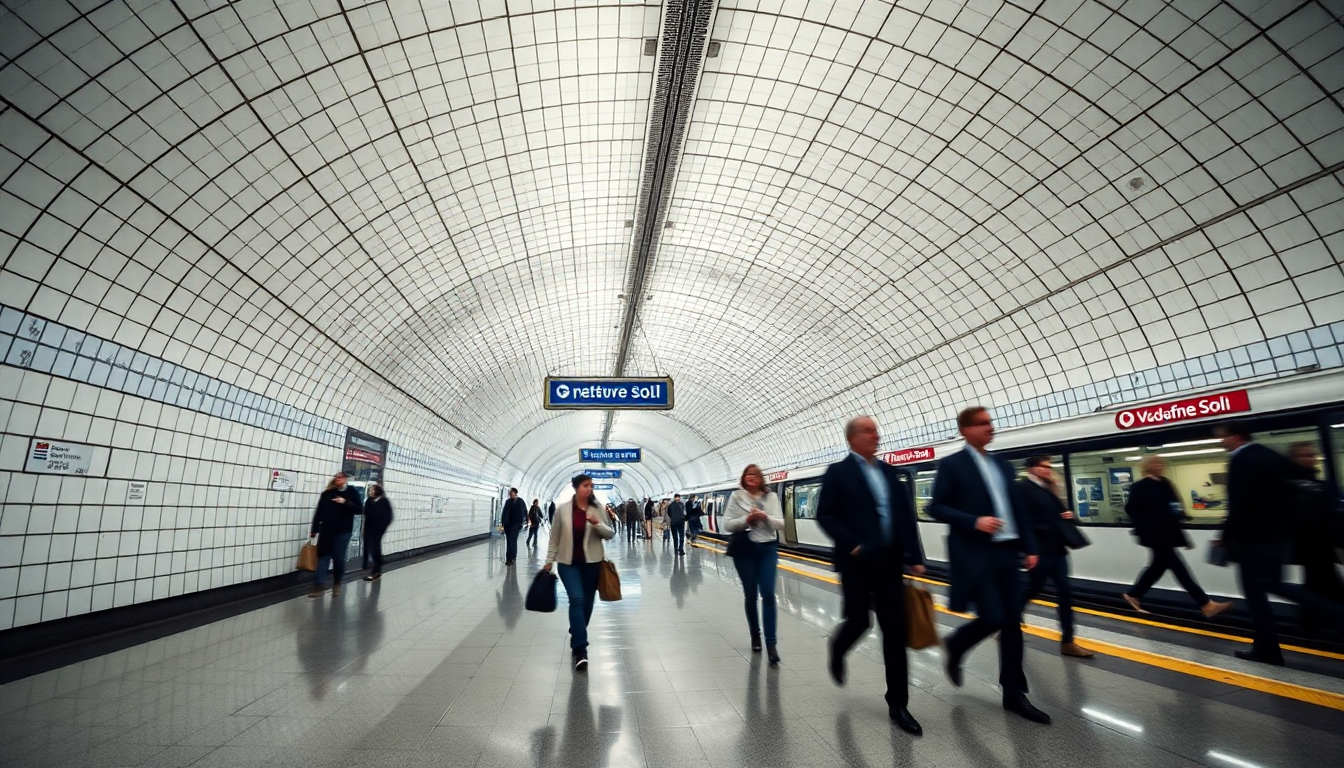
Metro de Madrid operates 12 metro lines serving most areas of the city, forming one of Europe’s largest urban rail networks with hundreds of stations concentrated in central districts. The Metro de Madrid system prioritizes frequent, short-hop coverage within the urban core, with stations positioned every few hundred meters in neighborhoods like Salamanca, Malasaña, and Chueca. This density makes the Metro ideal for moving between attractions, hotels, and restaurants without surfacing to street level, especially during Madrid’s hot summer afternoons or rush-hour traffic.
Cercanías Madrid suburban trains, by contrast, connect central hubs such as Atocha, Sol, and Chamartín with outlying towns across the Region of Madrid. Operated by Renfe, Spain’s national rail operator, Cercanías trains are designed for longer-distance travel at higher speeds than Metro services. Where Metro trains might stop every minute or two, Cercanías lines skip intermediate stations to reach municipalities like Alcalá de Henares, Aranjuez, or El Escorial in 20 to 60 minutes, making them essential for day trips or airport transfers beyond the Metro’s reach.
The systems complement rather than duplicate each other. Metro coverage blankets the city’s neighborhoods with granular accessibility, while Cercanías provides fast links between major stations and suburbs where Metro lines don’t venture. Both use zone-based fares, but they are operated separately—Metro by the regional transport authority, Cercanías by Renfe—which means tickets, passes, and fare structures differ despite both networks serving the broader Madrid metropolitan area.
Key interchange stations like Atocha and Chamartín allow seamless transfers between systems, though navigating these sprawling hubs during peak hours requires understanding platform layouts and signage. At Atocha, for instance, Cercanías platforms sit alongside high-speed AVE trains and regional services, while Metro platforms lie deeper underground, connected by escalators and concourses that can extend transfer times beyond simple map estimates. Sol station, located in the historic heart of Madrid, offers both Metro and Cercanías access, making it a natural central transfer point for visitors staying near Puerta del Sol or Plaza Mayor.
Operating Hours and Service Frequency
Metro services run from approximately 06:00 until 01:30 the following morning, providing later coverage than Cercanías for evening activities.
Visitors planning post-midnight returns from restaurants in La Latina or bars in Malasaña can rely on Metro trains until around half past one, but must arrange alternative transport—taxis or night buses—after final departures. Madrid’s social rhythms skew late, but the system doesn’t run 24 hours—a reality that catches people out if they assume European metros work like New York’s.
Cercanías trains operate from roughly 05:00–06:00 until around midnight, with no overnight services bridging the gap until early morning resumption. According to the Madrid City Council, typical service frequencies range from every 10 to 30 minutes depending on the line and time of day, with longer waits during off-peak hours and weekends. Unlike the Metro’s consistent high-frequency service on central lines, Cercanías schedules vary significantly by route—commuter-heavy lines like C-1 and C-2 see tighter intervals, while scenic or leisure routes operate less frequently.
Peak-time Metro trains arrive every few minutes on central lines like Line 1 (Pinar de Chamartín to Valdecarros) or Line 10 (Hospital Infanta Sofía to Puerta del Sur), ensuring minimal platform waiting in morning and evening rush hours. Off-peak intervals extend but remain relatively frequent, rarely exceeding ten minutes even late at night. This predictability contrasts with Cercanías, where a missed suburban train might mean a 20- or 30-minute wait for the next service, particularly on outer zones or weekend schedules.
If you’re in Chamartín after 01:15, Metro’s closed and night buses are sparse. Know the address of a 24-hour taxi stand (Atocha always has cabs) before you go out.
Zone Structure and Fare Logic
Metro network divides into fare zones—Zone A, B1, B2, and beyond—with most tourist journeys confined to central Zone A covering the historic core and major attractions. This central zone encompasses the Prado Museum, Retiro Park, Gran Vía, and Royal Palace, meaning typical visitor itineraries rarely require purchasing multi-zone tickets. Zone A tickets simplify budgeting and ticket purchases at station machines, avoiding the complexity of calculating cross-zone fares for occasional trips to outlying districts.
Metro charges distance-based fares within Zone A, typically €1.50–€2.00 per journey depending on stations traveled. A hop from Chueca to La Latina costs €1.50; a full cross-city Zone A journey costs €2.00. Compare that to London’s flat £1.75 off-peak—Madrid rewards short trips.
Cercanías uses numbered zones (1/2, 3, 4, and so on), with zone 1/2 single tickets around €1.70 and higher fares for outer zones and special lines like the Green Zone C-9 mountain route. The dual-zone numbering reflects Madrid’s concentric expansion, with zones 1 and 2 covering the urban core and immediate suburbs, while higher-numbered zones reach towns farther into the Region of Madrid. Special routes like the C-9, which climbs into the Guadarrama mountains for ski resorts and hiking trails, carry premium fares reflecting longer distances and specialized infrastructure.
Exit gates reject Zone A cards at Zone B1 stations. You’ll need to pay the difference at a service desk—usually an extra €0.50–€1.00 and a 5–10 minute delay. Most first-timers buy Zone A and assume it covers Retiro; it doesn’t—the park actually straddles Zone A/B1, and I’ve watched people backtrack to add credit.
You’ll need to pay the difference at a service desk—usually an extra €0.50–€1.00 and a 5–10 minute delay.
For those seeking cultural experiences beyond the city center, such as comparing access options for art institutions, readers can explore museum ticketing strategies that complement efficient transport planning. Metro ticket machines display zone maps at purchase, and Cercanías stations post zone boundaries on platform signage, but pre-trip research—checking an online route planner or downloading network maps—eliminates guesswork and ensures correct ticket coverage.
Cross-zone journeys on either system require appropriate ticket coverage for all zones traversed during the trip. Similarly, boarding a Cercanías train to Alcalá de Henares (zone 4) with a zone 1/2 ticket results in validation errors and potential fines if inspectors board during the journey.
Ticketing and the Public Transport Card
Metro de Madrid no longer issues traditional paper tickets; all journeys require a Public Transport Card (Tarjeta Transporte Público) loaded with valid fare credit or passes. Machines at every station entrance take 2–3 minutes and €2 deposit; use credit card if cash is unavailable. The card itself costs a small refundable deposit and must be purchased before attempting to enter Metro gates, as turnstiles reject contactless bank cards or cash.
These reloadable smart cards can be purchased at metro station machines and charged with single trips, multi-journey packs, or time-based passes. Ticket machines accept cash and credit cards, display instructions in multiple languages, and allow top-ups of exact journey values or bulk credit for extended stays. Multi-journey packs—typically bundles of ten trips at discounted rates—suit visitors making several Metro journeys over a few days, while time-based passes (one-day, multi-day, or monthly) benefit those planning intensive sightseeing itineraries with frequent station-to-station movement.
Cercanías tickets can be purchased at station machines or ticket windows, with options including single journeys and the 10-journey Bonotren for frequent travelers. Unlike Metro’s card-only mandate, Cercanías still accommodates traditional ticket formats, though smart integration is encouraged for seamless transfers. Bonotren multi-ride tickets offer savings over repeated single purchases within selected zones and are valid for ten trips, making them cost-effective for visitors planning multiple suburban excursions—day trips to Toledo’s Cercanías-connected station, Sunday visits to Aranjuez’s royal palace, or transfers to lesser-known municipalities hosting weekend markets.
Before tapping through, check your destination zone on the network map posted at the machine—mismatched zones cost €0.50–€1.00 extra and a service desk visit.
Key Interchange Stations and Strategic Routes
Atocha station serves as a major interchange between multiple Cercanías lines and Metro connections, linking long-distance, regional, and urban networks in a sprawling complex that ranks among Spain’s busiest rail hubs.

The tropical garden atrium is above Cercanías platforms. Metro lines 1 and 2 are two levels down; escalators queue during peak hours. Navigating Atocha during peak commuter hours requires patience—escalators descend multiple levels, signage points in competing directions, and platform queues swell with regional and intercity passengers—but its centrality makes it unavoidable for many cross-system journeys.
Sol sits at the heart of the Metro system with connections to several lines and also hosts a Cercanías stop, making it a natural central transfer point. Located beneath Puerta del Sol, Madrid’s symbolic kilometer-zero marker, Sol station connects Metro lines 1, 2, and 3 along with the Cercanías C-3 and C-4 routes, placing it within walking distance of Gran Vía, Plaza Mayor, and the Royal Palace. For visitors exploring royal heritage and architectural landmarks, understanding interchange efficiency can complement planning around palace visit strategies that optimize time allocation across multiple sites.
Chamartín in the north handles Cercanías services alongside high-speed and long-distance trains, with Metro links for onward city travel. If arriving via AVE from Barcelona, Chamartín Metro connects you to the center in 20 minutes via line 1; if you arrive at Atocha, it’s line 2 and takes slightly longer in rush hours. Metro line 10 and line 1 converge at Chamartín, enabling transfers from suburban or intercity arrivals to inner-city destinations without surfacing to street level or summoning taxis, particularly useful for business travelers or weekend ski visitors arriving from distant provinces.
Avoid transferring at Opera or Gran Vía during peak hours; they’re confusing. Atocha and Sol are clearer for first-timers despite crowding. Choosing a hotel near Sol, for instance, grants one-transfer access to most Metro destinations and direct Cercanías links to suburban sites, eliminating multi-leg journeys via less-connected stations. Similarly, understanding that Atocha handles southern Cercanías lines while Chamartín serves northern routes helps pre-plan day trips—Toledo and Aranjuez depart from Atocha, while El Escorial and Segovia connect via Chamartín or other northern hubs.
Understanding which Cercanías line serves your suburban destination and which Metro line connects to your final city stop streamlines multi-leg trips. Renfe’s official Cercanías Madrid maps detail line numbers (C-1 through C-10) and their respective termini, allowing travelers to identify whether a trip to Alcalá de Henares requires C-2 or C-7, and which central station—Atocha, Chamartín, or Sol—offers the shortest transfer from Metro lines serving their accommodation. This pre-trip homework transforms complex multi-system journeys into straightforward, time-efficient transfers.
For a full multi-day plan in Paris, see Best things to do in Paris in 3 days: a curated itinerary.
Discounts, Free Travel, and Family Considerations
You pay nothing if your child under 6 sits on your lap; children 6+ need a discounted child ticket (roughly half adult fare). This policy aligns with many European suburban rail systems, accommodating families traveling with toddlers or preschoolers who can sit on a parent’s lap during short suburban journeys. However, children aged six and above must purchase discounted child tickets, and those occupying their own seat may require proof of age if inspectors board trains during routine fare checks.
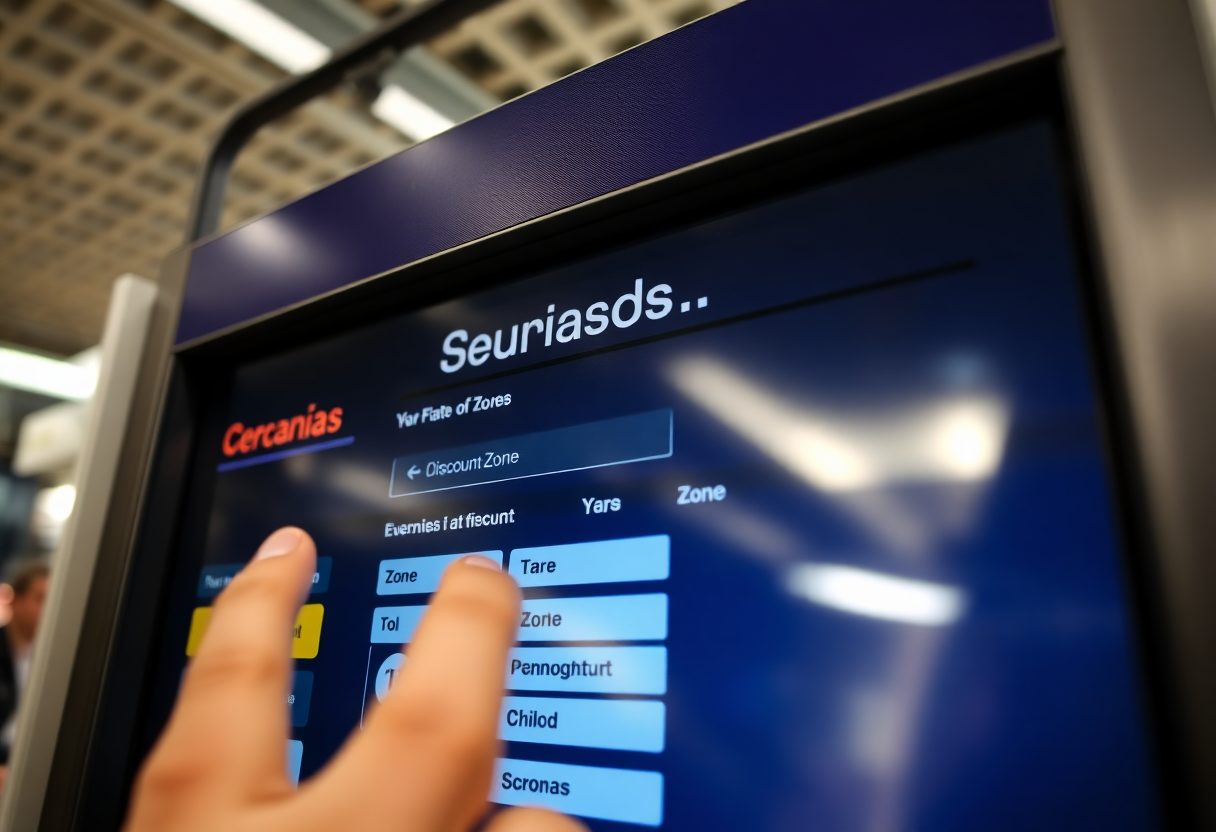
Metro and Cercanías both offer discounted fares for children under 12, groups, and officially recognized large families upon presentation of proof. These concessions reduce travel costs for families exploring Madrid with school-age children, though documentation requirements—family books issued by Spanish authorities, school ID cards, or passports proving age—must be carried to validate discounts at ticket machines or inspection points.
International families: bring your home passports for children—Spanish-issued family books won’t help. Staff at ticket windows can clarify if your documents qualify.
Ten single Cercanías zone 1/2 tickets = €17. A Bonotren = €14. Buy one if you’re planning three or more suburban days; otherwise, pay per ride. For a family planning day trips to Aranjuez, Alcalá de Henares, and the Guadarrama mountain line over a week-long stay, purchasing Bonotrens for relevant zones reduces per-trip fares compared to buying individual singles at stations. Machines at Cercanías hubs sell Bonotrens pre-loaded with ten validated trips, usable by any traveler in the family across multiple days until all trips are exhausted.
No blanket ‘children travel free’ policy applies across all ages or both systems, so verify eligibility before assuming complimentary access. A common misconception among visitors arriving from cities with under-12 or under-14 free travel is that Madrid offers similar age thresholds, leading to surprises at turnstiles when Metro gates reject unloaded child cards or Cercanías inspectors request tickets for seven-year-olds assumed to travel free. Checking exact age cutoffs and discount proof requirements in advance prevents delays and fare disputes during journeys.
Senior and youth discounts exist but typically require residence or specific documentation, so international visitors may not qualify for all concessions. Spanish residents holding pensioner cards or youth discount credentials receive reduced fares on both Metro and Cercanías, but these schemes often exclude foreign tourists lacking Spanish residency documentation or EU youth cards. Visitors should inquire at ticket offices about tourist-specific passes or multi-day tickets that may offer better value than attempting to qualify for resident-only concessions unavailable to short-term travelers.
For a full multi-day plan in Rome, see First-time visitor’s guide to Rome in 4 days.
Common Mistakes and How to Avoid Them
Assuming Metro and Cercanías tickets are fully interchangeable leads to validation errors; each system has separate fare structures despite both using zones. A visitor purchasing a Metro Zone A ticket expecting it to work on Cercanías zone 1/2 trains encounters gate rejections and confusion, as the two networks operate independent ticketing infrastructure managed by different authorities. Discussions on travel forums frequently clarify this distinction for newcomers misled by integrated network maps that visually unite both systems without explaining their administrative separation.
Expecting 24-hour rail service causes missed connections—Metro ends around 01:30 and Cercanías around midnight, with no overnight trains. Travelers accustomed to cities like New York or Berlin with late-night subway service arrive unprepared for Madrid’s service gaps, planning itineraries that assume return Metro access after 02:00 concerts or dinners. Checking final departure times before evening outings and identifying night bus routes or taxi stands near destinations prevents stranding in outer neighborhoods when rail services cease.
Attempting to use cash or contactless bank cards directly at Metro gates fails because the system requires a preloaded Public Transport Card. Visitors arriving at metro stations with pockets full of euro coins or waving contactless Visa cards at turnstiles discover that Madrid’s infrastructure—unlike London’s Oyster-compatible network—mandates purchasing and loading a physical smart card before entry. This procurement step, straightforward at ticket machines but unexpected for first-timers, can delay initial journeys if queues form during peak hours.
Believing all children travel free on commuter trains overlooks the under-6-only rule on Cercanías and reduced-fare requirements for older children. Parents planning suburban day trips with multiple children aged four to ten may budget based on free travel assumptions, only to discover at ticket machines that only the youngest qualifies for complimentary access while siblings require discounted tickets. Budgeting for child fares in advance and carrying age-proof documentation streamlines ticket purchases and avoids fare disputes during journeys.
Planning late-night journeys without checking final departure times risks stranding travelers in outer zones after services cease. A visitor dining in Chamartín neighborhood until 01:00 and relying on Metro to return to Atocha-area accommodation misses final trains by half an hour, forcing expensive taxi rides or multi-hour waits until morning service resumes. Consulting timetables before evening departures and setting phone alarms for last-train deadlines prevents such scenarios, particularly in less-central neighborhoods with limited late-night taxi availability.
Practical Tips for Efficient Navigation
Combine Metro for short inner-city hops with Cercanías for longer trips to outlying areas, using interchange stations to switch systems efficiently. A visitor planning a morning at the Prado Museum (Metro Atocha or Banco de España stations) followed by an afternoon excursion to Aranjuez’s royal palace optimizes travel by taking Metro to Atocha station, then boarding a Cercanías C-3 train directly from the interchange platforms without surfacing to street level.
Walk straight from Atocha’s Cercanías C-3 platform to Metro line 1 signs (left turn, 100 meters, 3 escalators down). Metro to Atocha is 2 stops; total trip Prado to Aranjuez takes 90 minutes versus 2.5 hours via surface streets.
Walk straight from Atocha’s Cercanías C-3 platform to Metro line 1 signs (left turn, 100 meters, 3 escalators down).
Before traveling, check current metro fares and ensure your Public Transport Card has sufficient balance or a valid pass for the zones you intend to cross. Station ticket machines display real-time fare information and allow balance checks by tapping cards on validators, but pre-trip verification using mobile apps prevents mid-journey surprises when insufficient credit blocks exit through turnstiles at distant stations. Loading a few extra euros of credit cushions against miscalculations and eliminates the need to queue at service desks to resolve fare shortfalls.
Download network maps to your phone for offline reference when navigating underground stations without signal. Mobile coverage in Madrid’s deepest Metro tunnels can drop to zero, rendering online journey planners and navigation apps useless at critical transfer points. Saving PDFs of network diagrams, zone maps, and line schedules to phone storage ensures access to route information when standing on unfamiliar platforms deciding between competing directions or calculating transfer paths through multi-level interchanges like Atocha.
If making several suburban journeys, buy a Bonotren 10-trip ticket for relevant zones to reduce cost per trip compared to single purchases. Visitors planning a cultural circuit encompassing El Escorial monastery, Alcalá de Henares university quarter, and Aranjuez palace across a five-day stay benefit from pre-purchasing zone-appropriate Bonotrens at Atocha or Chamartín machines, validating one trip per outbound-return journey pair and accumulating savings that compound across multiple excursions versus buying six individual tickets at higher per-trip rates.
Allow buffer time at major interchanges like Atocha during peak hours, as platform distances and passenger volumes can extend transfer times beyond simple map estimates. A journey planner might suggest a five-minute Cercanías-to-Metro transfer at Atocha, but rush-hour crowds on escalators, temporarily closed passageways during maintenance, and the sheer physical distance between Cercanías platforms and Metro line 1 platforms can stretch real transfer times to fifteen or twenty minutes. Building ten-minute buffers into tight connection itineraries prevents missed trains and reduces travel stress when navigating Madrid’s busiest transport hubs under time pressure.