Seine Cruise by Day or by Night: Which One Fits Your Paris Trip?
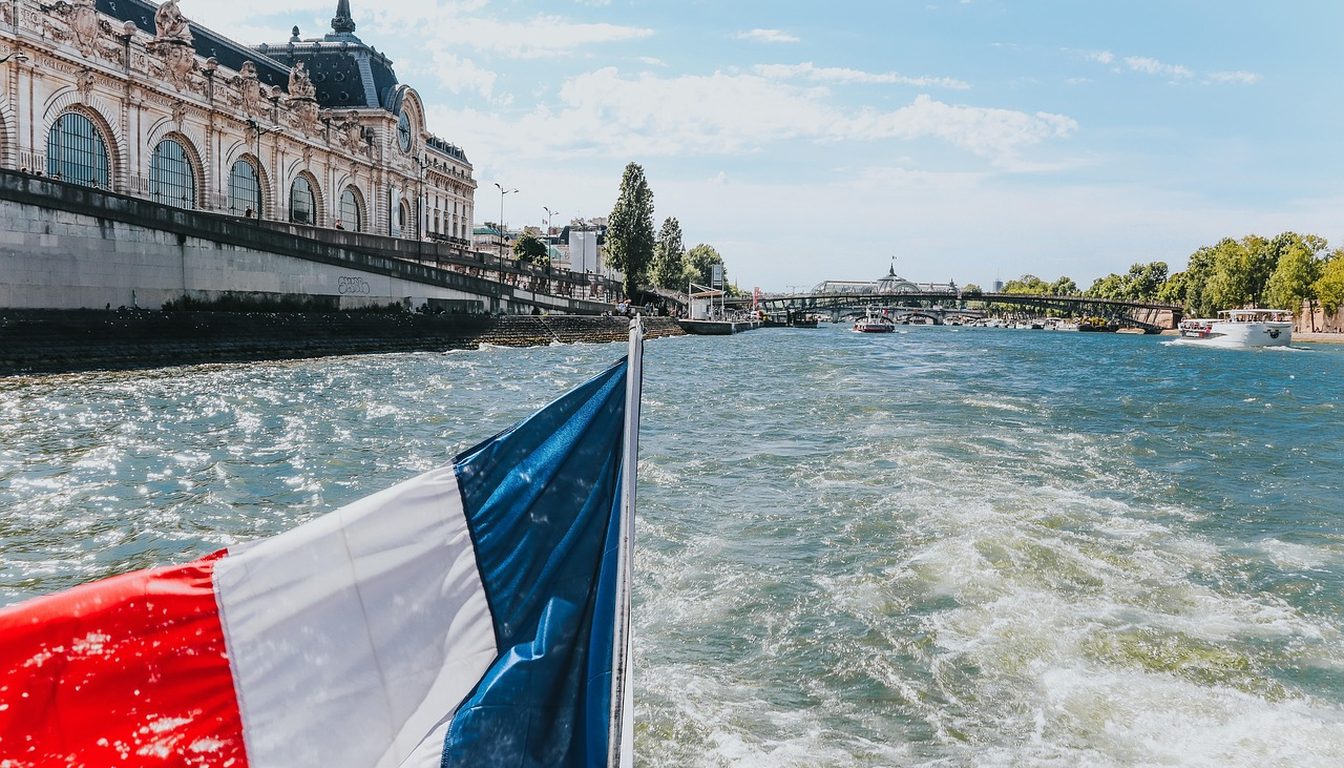
A Seine cruise can dramatically change depending on whether you sail at midday or after dark. This guide compares both experiences to help you decide which timing suits your Paris itinerary, priorities, and sightseeing goals.
The central question isn’t about which option is objectively better—both have clear advantages—but rather which aligns with what you want from the experience. Daytime sailing reveals architectural detail and helps orient you to the city’s layout. Evening cruises showcase illuminated monuments and offer a more atmospheric perspective. Understanding these differences before you choose can prevent the common mistake of booking a cruise that doesn’t match your goals.
Why the Seine matters: a UNESCO World Heritage corridor through Paris
The Banks of the Seine between Pont de Sully and Pont d’Iéna have been a UNESCO World Heritage site since December 1991. The designation recognizes the riverbanks as an architectural and urban ensemble reflecting Paris’s evolution from the Middle Ages to the mid-20th century. This isn’t simply a scenic waterway—it’s a protected historic landscape containing successive layers of urban planning and architectural achievement.
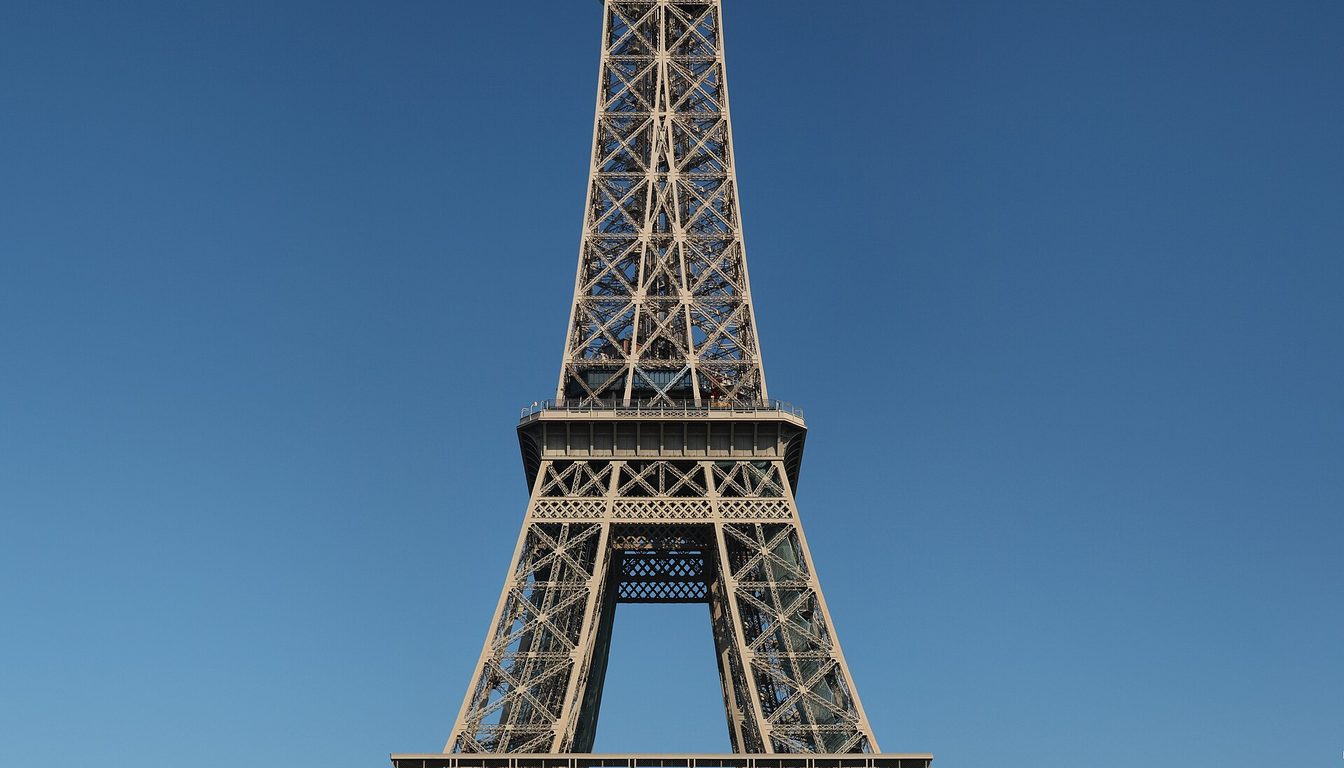
Major landmarks visible along or overlooking the UNESCO-listed riverbanks include Notre-Dame, Sainte-Chapelle, the Louvre, the Hôtel des Invalides, the Eiffel Tower, and the Palais de Chaillot. UNESCO describes the corridor as a place where the evolution and history of Paris can be seen from the river, from the Louvre toward the Eiffel Tower and from Place de la Concorde toward the Grand and Petit Palais.
The protected river section offers a continuous view of successive centuries of Parisian urban planning. The landscape includes 17th- and 18th-century designs as well as later Haussmann-era spaces, illustrating how the city developed over time. It’s a way to see how Paris was planned and rebuilt over centuries without stopping to read a plaque.
Daytime cruises: clearer views, better orientation, easier photography
Natural daylight reveals architectural detail, façade decoration, bridge ornaments, and riverbank features that may be invisible at night. If your main goal is to understand the layout of central Paris or identify specific monuments for later visits, daytime sailing provides the visual clarity you need. First-time visitors especially benefit from this orientation function.
 Photo: Eric Pouhier / Wikimedia Commons, CC BY-SA 4.0 (cropped)
Photography of building textures, stonework, and skyline compositions is easier without relying on artificial lighting. You can capture the full breadth of façades, see how buildings relate to one another along the banks, and understand the scale of major monuments in daylight conditions. Weather permitting, passengers can see the UNESCO heritage landscape from the Louvre toward the Eiffel Tower in detail that darkness would obscure.
Daytime cruises are generally better for travelers who prioritize understanding city layout and architectural detail. If you’re the kind of visitor who wants to recognize bridges by name, notice differences in architectural styles across centuries, or plan follow-up visits to specific monuments, daylight sailing offers practical advantages. The City of Paris has organized educational cruises focused on the Seine, its biodiversity, and the monuments around it, confirming the river’s role as a learning platform rather than just entertainment.
You’ll spot the Louvre’s main entrance from the water, so you’ll know exactly where to line up when you visit on foot. You can see how squares connect to bridges, and understand why certain monuments dominate the skyline. This orientation function has real value for travelers with limited time in Paris.
For a full multi-day plan in Paris, see Best things to do in Paris in 3 days: a curated itinerary.
Night cruises: illuminated monuments, romantic atmosphere, different perspective
Evening and night cruises showcase illuminated landmarks including the Eiffel Tower, bridges, and floodlit monuments. The experience shifts from architectural study to atmospheric immersion. The same route feels different after dark—calmer, more intimate, and visually focused on what’s lit rather than the full breadth of the riverbanks.
The floodlighting is dramatic, but many facades are only dimly lit or dark—you lose half the architectural detail you’d see by day. The atmosphere is often quieter and more relaxed after dark, appealing to travelers seeking a romantic or contemplative experience. If you’ve spent the day walking through museums and crowded streets, an evening cruise offers a slower pace and the Eiffel Tower lit up rather than silhouetted against the sky.
Darkness hides unlit façades, riverbank details, and architectural textures you’d see in daylight. If architectural detail matters to you, save your money and sail by day; if you just want a pleasant evening on the water, night is fine.
Email the operator or check their website gallery; if you don’t see a night-time photo of a specific building you want, assume it’s not lit.
Routes, stops, and boarding points: not every cruise is the same
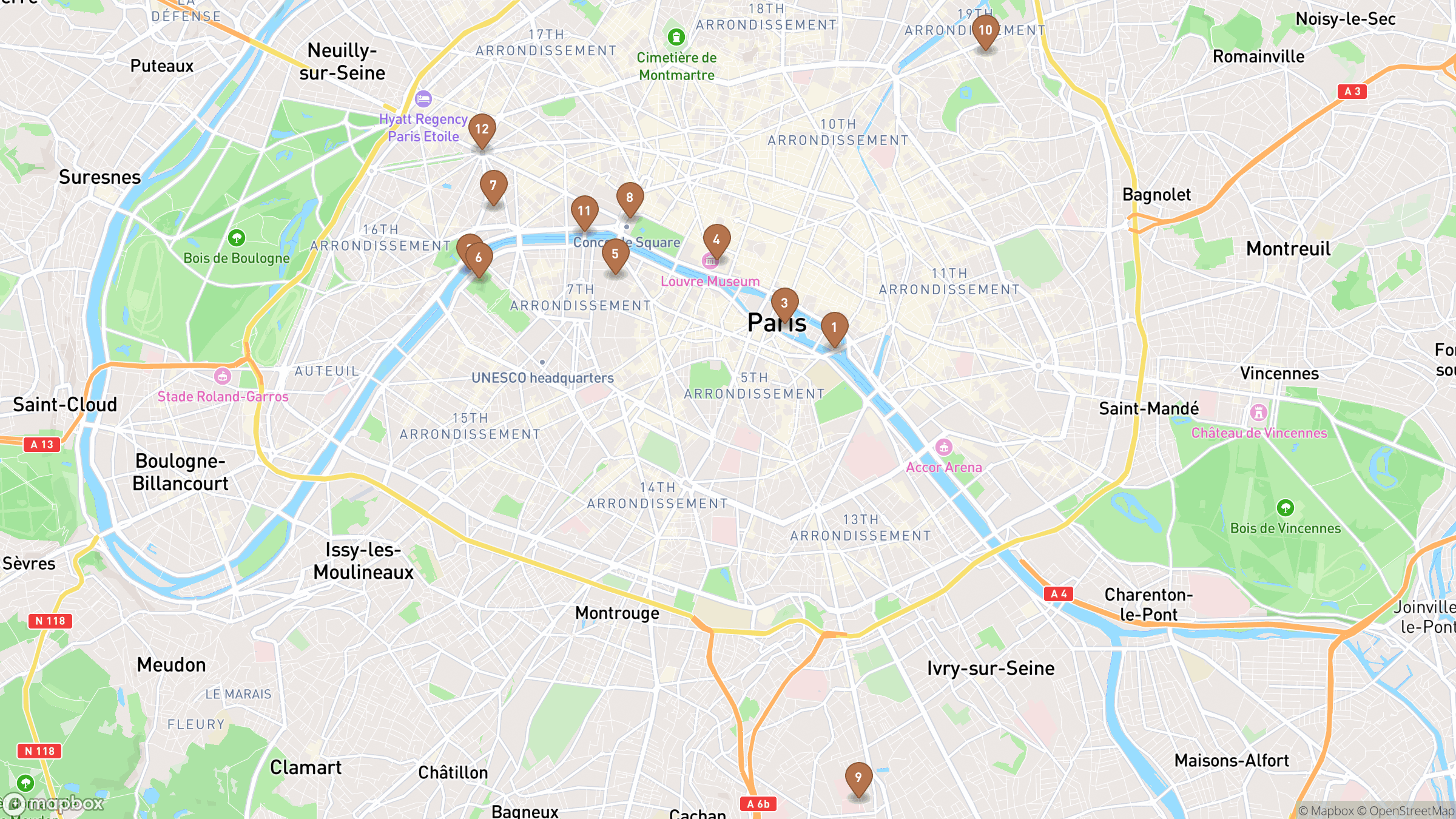
Paris’s municipal public-transport information describes a Seine service with eight stops, allowing passengers to explore the city while cruising on the river. Sightseeing cruises may use different embarkation points, routes, and stopping patterns than municipal river services. Do not assume every Seine cruise follows the same path or uses the same boarding infrastructure.
Before booking, check: (1) Is this a non-stop loop or do you get off at multiple stops? (2) Where do you board, and how close is it to your hotel or next activity?
Don’t assume boarding points are the same twice; leave an extra 15 minutes to find the correct quay. The quay may be several minutes’ walk from the nearest metro station, and signage quality varies. If you’re connecting a cruise to a timed entry at the Invalides or another monument, build in buffer time for navigation and boarding.
Some operators use the same embarkation point for all departures. Others have different quays for different routes or times of day. Check the boarding location when you confirm your departure time, and look up the quay location on a map before you leave your hotel. This simple step prevents the stress of searching for the correct boarding point while trying to meet a departure time.
What you’ll see (and what you won’t) from the boat
A cruise provides a river-level view of the historic landscape but does not include entry to museums, churches, monuments, or other attractions along the banks. You’ll pass Notre-Dame, Sainte-Chapelle, the Louvre, the Invalides, the Eiffel Tower, and the Palais de Chaillot, but the cruise itself doesn’t grant access to any of these sites. Plan separate visits if you want to explore interiors.
 Photo: DXR / Wikimedia Commons, CC BY-SA 3.0 (cropped)
Visibility of architectural detail varies by time of day, weather, and lighting conditions. Unlit riverbank features may be invisible at night, while bright midday sun can wash out façade colors or create harsh shadows. Overcast conditions sometimes provide more even lighting for photography than direct sunlight, though they reduce long-distance visibility.
Once you pass Pont d’Iéna heading west, you leave the museum-and-palace zone and see apartment buildings instead. East of Pont de Sully, the scenery flattens. Verify the route boundaries if you’re specifically interested in the UNESCO-listed heritage landscape.
Landmarks like the Invalides and the Palais de Chaillot are visible from the water but require separate planning to visit inside. The cruise shows you where these buildings are, how they relate to one another, and which ones you want to prioritize for ground-level exploration. Use the river view as reconnaissance for later visits rather than as a replacement for them.
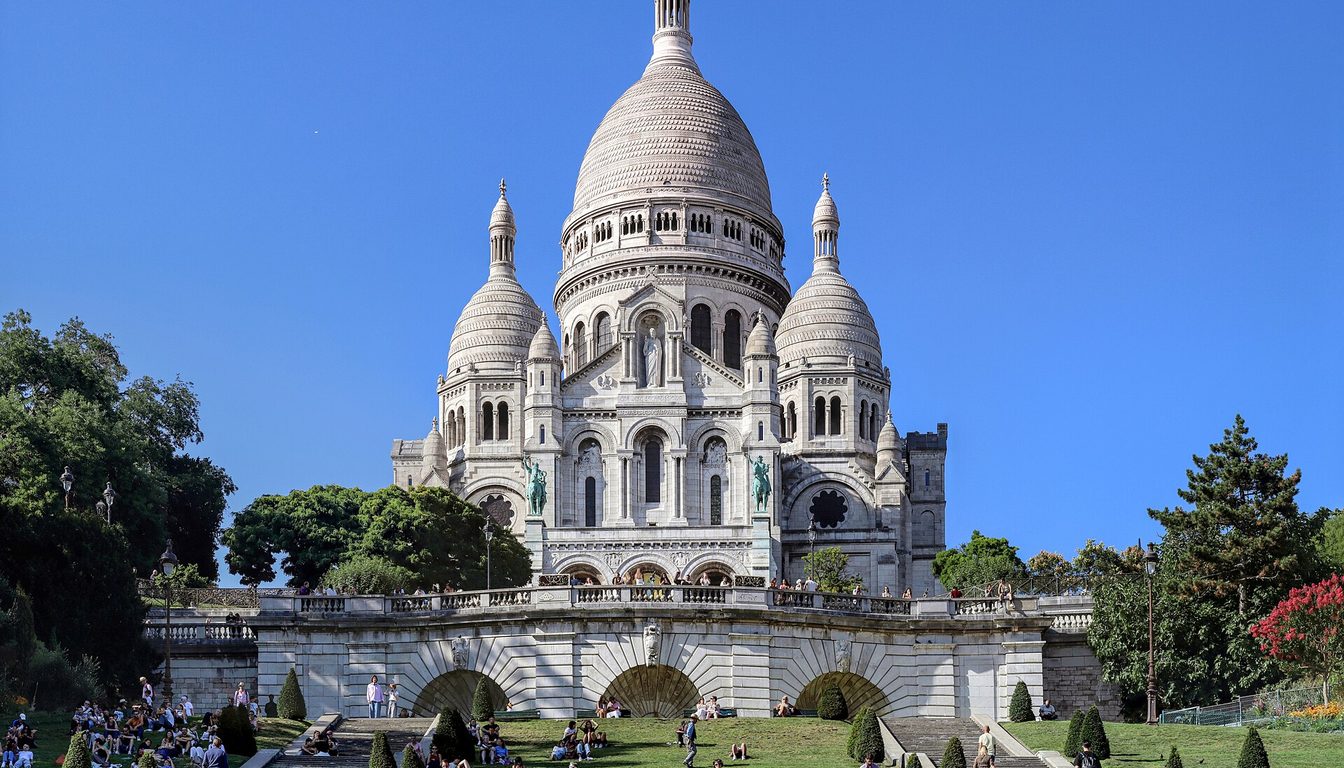
For a broader city overview, see How to chain Montmartre and Sacré-Cœur in half a day without wasted walking.
Practical logistics: timetables, weather, accessibility
Cruise schedules vary by operator and season; do not assume a universal timetable applies to every Seine service. Peak tourist months may see more frequent departures, while winter schedules often reduce service.
Call or email your operator and confirm: departure time, duration, route, boarding quay, accessibility, and cancellation weather policy.
Spring and fall drizzle is common—most operators don’t cancel for rain, just offer indoor seating. Ask about their refund policy before booking if weather is unpredictable during your visit. Fog can obscure landmarks and occasionally delay or cancel sailings. If the cruise is time-sensitive in your itinerary, plan a backup option or build flexibility into your schedule.
Ask about their refund policy before booking if weather is unpredictable during your visit.
Use the operator’s designated boarding area and follow crew instructions. Safety standards and procedures are service-specific, and what applies to one cruise operator may not apply to another. Pay attention to briefings, stay clear of restricted edges and access points, and ask crew members if you have questions about safe movement on board.
River services and sightseeing cruises do not necessarily share the same stops or infrastructure. If you’re combining a cruise with the municipal river transport system, verify that your sightseeing operator and the public service use compatible or nearby embarkation points. Don’t assume you can board a different service at the same quay without checking first.
Choosing the right timing for your Paris itinerary
Pick daytime if you’ve never been to Paris and need to see where the major landmarks actually are. Otherwise, you might waste money on what amounts to a moving photo walk. The visual clarity and breadth of information available in daylight make it the better choice for travelers who want to understand how Paris is laid out and which landmarks to prioritize on foot later.
Choose an evening cruise if illuminated views and atmosphere matter more than architectural detail, or if you have already explored Paris on foot. Night sailing works well as a different perspective on familiar landmarks rather than as your primary introduction to the city. If you’ve spent days walking through museums and neighborhoods, an evening on the water offers a calmer counterpoint.
If rain is forecast, reschedule—you’ll see almost nothing, and most operators offer rebooking without penalty if you cancel 24 hours ahead. If your schedule allows, book the cruise after you’ve checked the forecast and can choose a day with reasonable weather.
If rain is forecast, reschedule—you’ll see almost nothing, and most operators offer rebooking without penalty if you cancel 24 hours ahead.
Travelers with tightly scheduled itineraries should compare the route map and boarding quay before booking, to avoid timing conflicts with other activities. If you’re planning to visit the Arc de Triomphe or another monument on the same day, make sure the cruise departure time and boarding location don’t create logistical problems. Some visitors sail both day and night to compare; others choose one based on whether they value detail or ambiance.
The choice ultimately depends on what you’re trying to accomplish. If the cruise is a practical tool for understanding the city, sail during the day. If it’s a way to experience Paris’s atmosphere and see illuminated landmarks, sail at night. Either way, verify the route, boarding point, and schedule before you go, and plan the rest of your day around those details rather than assuming the cruise will fit neatly into any gap in your itinerary.