Gothic Quarter and El Born in Half a Day: A Walking Route Without Backtracking
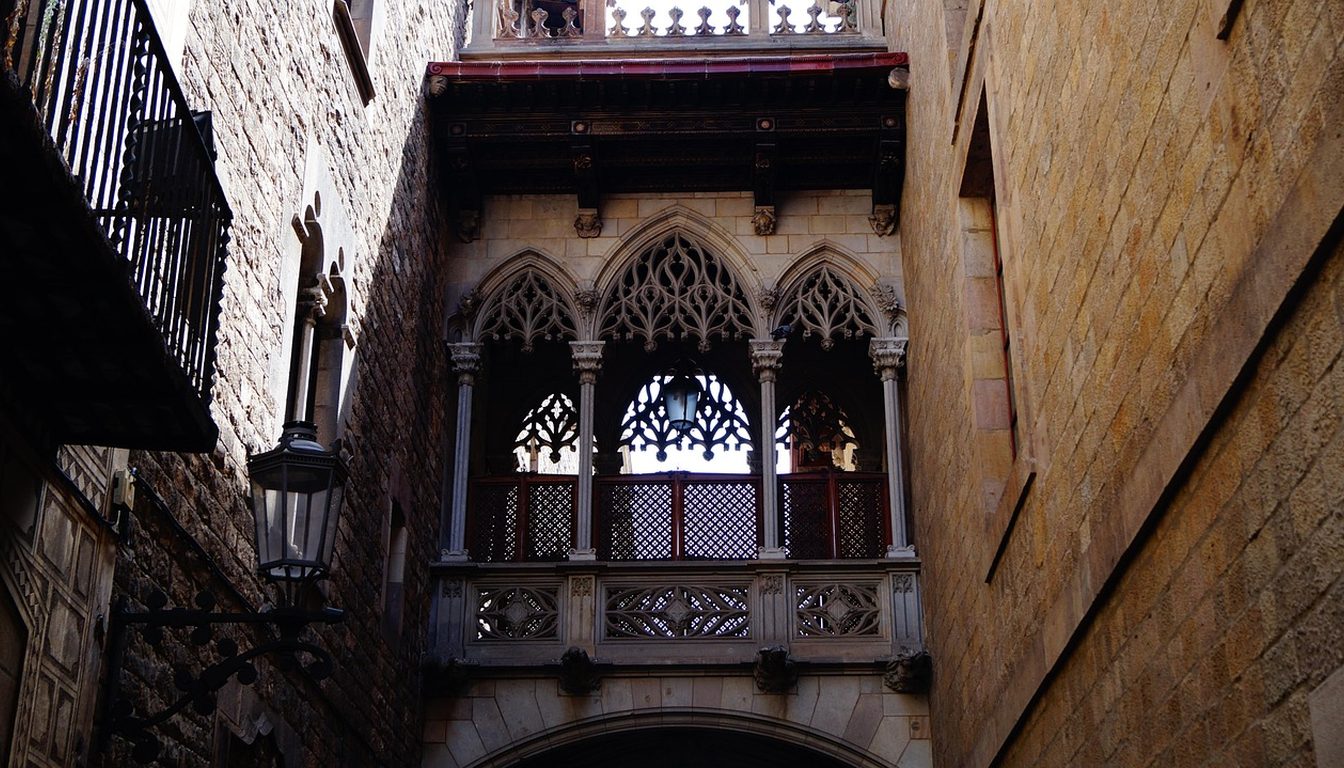
Barcelona’s oldest districts fit into a single, efficient half-day walk if you follow an eastbound line from the Gothic Quarter’s Roman and medieval core into El Born’s merchant streets, finishing at Santa Maria del Mar and the Born Centre Cultural without retracing your steps. The walk moves from Roman walls through medieval squares and guild buildings to a 14th-century church, covering the city’s eastward expansion in four hours.
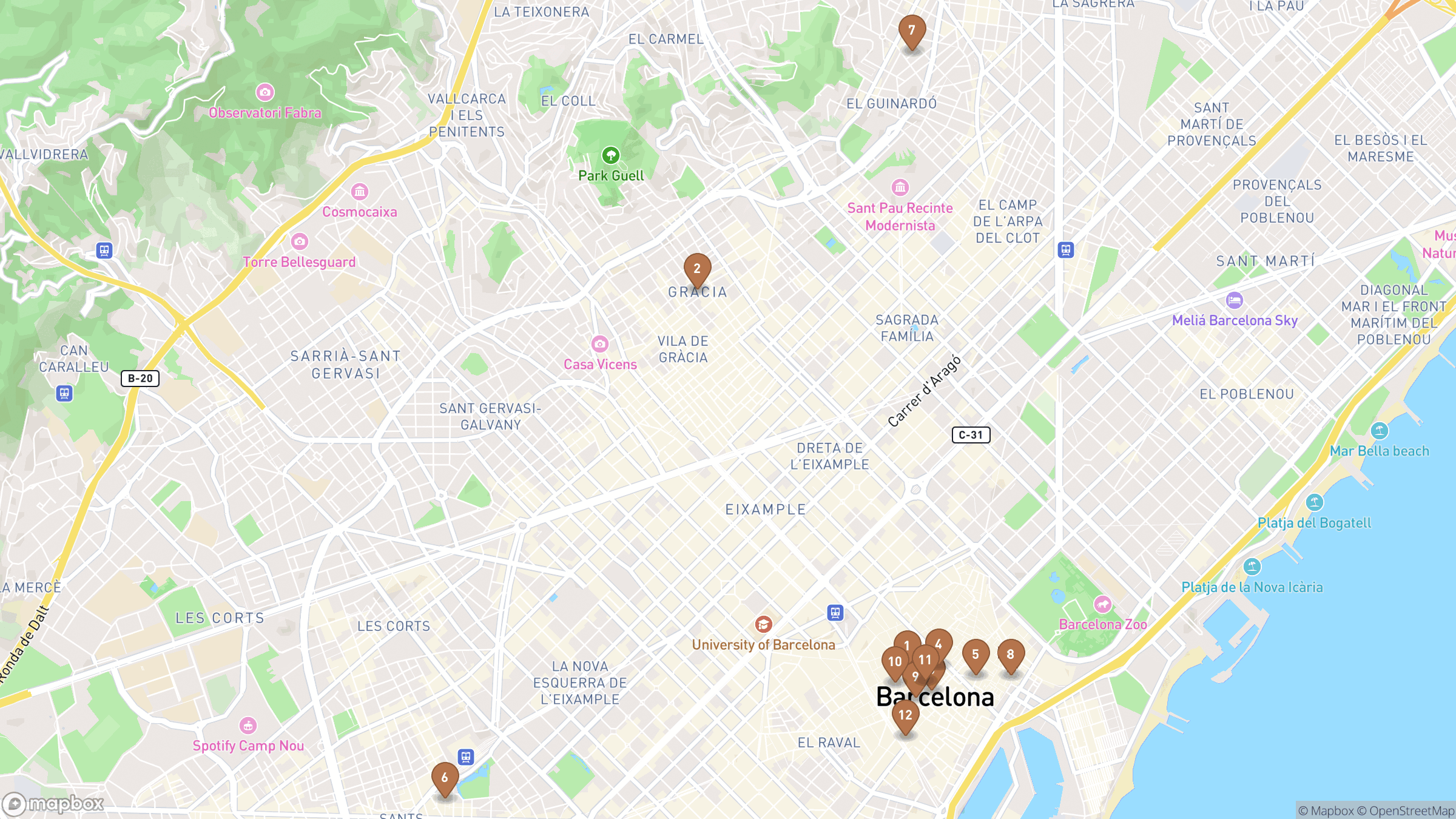
The strategy is straightforward: begin near Plaça Nova and the Cathedral, move through the Gothic Quarter’s civic and religious landmarks, cross naturally into El Born via Carrer de l’Argenteria, and conclude at the archaeological layers of the Born Centre Cultural. By following this eastbound sequence, you avoid backtracking and maintain a clear narrative arc from ancient walls to 18th-century memory.
Why This Route Works: Roman-to-Born in One Direction
An eastbound sequence avoids doubling back by moving from Plaça Nova and the Cathedral through the Gothic Quarter, then crossing naturally into El Born via Carrer de l’Argenteria. The progression follows a documented city-culture itinerary linking Plaça Nova, Plaça de Sant Jaume, Plaça del Rei, and Santa Maria del Mar in continuous progression.
The entire route stays within Ciutat Vella, so you need transport only at the start and end.
Four hours is enough for all exteriors and one interior visit; pick the Cathedral, Santa Maria del Mar, or the Born Centre, not all three.
The route follows Barcelona’s actual expansion eastward, so the history makes sense as you walk.
Starting Point: Plaça Nova and the Cathedral Area
Plaça Nova marks the entrance to the Gothic Quarter; Roman walls still line the square.
The Cathedral area includes these Roman remnants and establishes context for the Roman, Jewish, and Gothic elements you’ll encounter before crossing into El Born. According to Barcelona City Council, the Gothic Quarter contains Roman remains, sections of ancient walls, the former Jewish quarter, the Gothic Cathedral, and major historic palaces.
The Cathedral itself dominates the skyline, but exterior viewing is sufficient for a half-day route focused on geographic coverage rather than extended interior visits.
Use public transport to reach Plaça Nova, then plan to finish the walk near the Born Centre Cultural rather than returning to your starting point. This one-way approach eliminates redundant steps and allows you to experience the eastward progression without retracing your path through the narrow streets of the Gothic Quarter.
Through the Gothic Quarter: Plaça de Sant Jaume and Plaça del Rei
Plaça de Sant Jaume serves as the civic heart of Barcelona, where the City Council and the Catalan Government buildings face each other across the square. The square has been the seat of city government since the Middle Ages and remains central to Catalan political and administrative life today.
 Photo: Alex Gompons / Wikimedia Commons, CC BY-SA 4.0 (cropped)
Sant Jaume is open and exposed; Plaça del Rei is walled and quiet. Plaça del Rei lies slightly northeast and represents the medieval royal complex, offering a stone-walled environment that feels removed from the foot traffic of the main civic square, yet both function as orientation anchors before you continue eastward toward El Born.
The Gothic Quarter includes diverse sub-areas such as El Call (the Jewish quarter), Sant Just i Pastor, Santa Maria del Pi, Santa Anna, La Mercè, and the Palau, according to Barcelona’s district administration. You’ll see medieval streets and Gothic churches mixed with later buildings as you walk through them.
Both squares reward brief stops for photographs and orientation. Sant Jaume anchors the route geographically and historically, while Plaça del Rei provides a glimpse of the royal and aristocratic power structures that shaped medieval Barcelona alongside the civic institutions centered at Sant Jaume.
The Transition: Carrer de l’Argenteria and Entering El Born
Carrer de l’Argenteria provides the natural eastbound connection from the Gothic Quarter’s civic core into El Born’s merchant streets. The street name itself recalls the silversmiths who once worked here, reflecting the artisan and guild heritage of La Ribera—the medieval district that became synonymous with wealthy merchants, artisans, guilds, and sailors.
Carrer de l’Argenteria keeps you moving east without backtracking through the Gothic Quarter’s narrow streets.
The streets narrow and guild signs replace civic monuments as you move into El Born.
The street also serves as a practical corridor. It connects the major civic squares of the Gothic Quarter directly to Santa Maria del Mar without requiring you to navigate side alleys or make guesswork decisions at unmarked intersections.
El Born and La Ribera developed as important medieval neighborhoods populated by merchants, artisans, guilds, and sailors, distinct from the royal and ecclesiastical centers of the Gothic Quarter. Carrer de l’Argenteria embodies this shift, threading the walker from one historical identity to another in the space of a few hundred meters.
Santa Maria del Mar and Fossar de les Moreres
Santa Maria del Mar was built by artisans and merchants in 55 years, not by elites like the Cathedral, according to Barcelona City Council. The church’s construction history reflects the collective effort of the merchant and seafaring communities that shaped medieval Barcelona, contrasting with cathedrals and royal chapels built under aristocratic or ecclesiastical sponsorship.
The church’s exterior stonework and soaring interior columns reward close examination. The building represents not only architectural achievement but also the social and economic structures of 14th-century Barcelona, when guilds and merchant associations wielded sufficient wealth and organizational power to fund major civic and religious monuments.
The memorial next to Santa Maria honors those who died in the War of Spanish Succession, linking the church’s medieval history to 18th-century Catalan conflict.
Allow time to walk around the exterior and visit the memorial before continuing to the Born Centre Cultural. The square in front of Santa Maria del Mar functions as a natural pause point, where the rhythm of the walk shifts from eastward progression to a more contemplative examination of architecture and memory.
Finishing at the Born Centre Cultural
The Born Centre Cultural occupies a converted Modernista market and preserves archaeological remains of part of the city destroyed during the War of the Spanish Succession. The building itself demonstrates Barcelona’s habit of layering architecture and memory across centuries—from medieval streets exposed beneath the market floor to the iron-and-glass canopy above that recalls the industrial optimism of the 19th century.
 Photo: Jorge Franganillo from Barcelona, Spain / Wikimedia Commons, CC BY 2.0 (cropped)
You’ve walked from Roman walls to a Gothic church to a market destroyed in 1714 and rebuilt.
The cultural center functions as both museum and monument, where the physical remains of wartime destruction are visible beneath the structure that once served as a neighborhood market.
The surrounding neighborhood offers cafés, shops, and onward transport connections, making the Born Centre a logical conclusion for the half-day route. The district invites further exploration if time permits, but the core itinerary from Plaça Nova through the Gothic Quarter to Santa Maria del Mar and the Born Centre provides a complete narrative arc even if you proceed directly to your next destination.
Check current opening hours and access conditions if you plan to enter the cultural center; the exterior and surrounding streets remain accessible at all times. The archaeological site visible through the market floor offers a powerful coda to the walk, grounding the medieval and Gothic architecture you’ve just seen in the violent upheavals of the early modern period.
The exposed medieval remains beneath the market show what was destroyed in 1714; Barcelona chose to leave it visible rather than hide it.
For practical transit detail in Barcelona, see Barcelona public transport explained: metro, FGC, and Tmb passes.
Practical Logistics: Timing, Transport, and Safety
Allow roughly four hours for a half-day walk with exterior stops and photographs; add time if visiting the Cathedral, Santa Maria del Mar, or the Born Centre Cultural.
Use Barcelona’s metro or bus network to reach Plaça Nova and depart from El Born. The entire route falls within Ciutat Vella and requires no additional transport mid-walk, making it simple to plan arrival and departure connections at either end without worrying about intermediate transfers.
Prioritize exterior landmarks on a half-day schedule and choose no more than one major interior visit unless opening hours and admission conditions have been verified beforehand. The Cathedral, Santa Maria del Mar, and the Born Centre Cultural all merit interior exploration, but attempting all three in a half-day timeline sacrifices geographic coverage and risks queue delays. If you plan to visit other Barcelona landmarks on subsequent days, Sagrada Familia advance booking information helps coordinate access schedules across a multi-day itinerary.
Keep belongings secure in crowded squares and narrow streets, where thousands of visitors walk daily and pickpocket activity is higher. The official city description notes that visitor traffic is especially heavy in the Gothic Quarter, making vigilance around valuables essential at major squares like Plaça de Sant Jaume and in the narrow lanes around the Cathedral.
Keep belongings secure in crowded squares and narrow streets, where thousands of visitors walk daily and pickpocket activity is higher.
The route’s concentrated geography makes it easy to adapt. Shorten by skipping Plaça del Rei or extend by exploring side streets in El Call or around Santa Maria del Pi. The core sequence—Plaça Nova, Plaça de Sant Jaume, Carrer de l’Argenteria, Santa Maria del Mar, Born Centre Cultural—remains intact regardless of detours, ensuring you complete the eastbound progression even if you adjust the itinerary mid-walk.
For a full multi-day plan in Barcelona, see Barcelona in 3 days: beach, Gaudí, and tapas itinerary.
What Not to Expect: Common Myths and Clarifications
The Gothic Quarter mixes Roman walls, Jewish-quarter streets, Gothic churches, and 18th-century buildings. The name itself can mislead visitors expecting a preserved medieval theme park rather than a living urban district where centuries of construction and reconstruction coexist.
El Born has medieval guild palaces and a 14th-century church beneath the modern bars and shops.
A no-backtracking route need not skip major squares. An official itinerary proves you can link Plaça Nova, Plaça de Sant Jaume, Plaça del Rei, Carrer de l’Argenteria, and Santa Maria del Mar in continuous sequence without retracing your steps or making awkward detours.
Guilds and merchants, not nobles or the church, funded Santa Maria del Mar. This distinction matters for understanding the social structures of medieval Barcelona and the architectural legacy they produced.
The route also does not require advance reservations for street access. All the major squares, streets, and exterior landmarks remain open to pedestrians at all times. Interior visits may require checking availability, but the core walking itinerary functions independently of admission rules or timed-entry systems at individual monuments.