Trastevere at Dusk: An Evening Route the Way Locals Do It
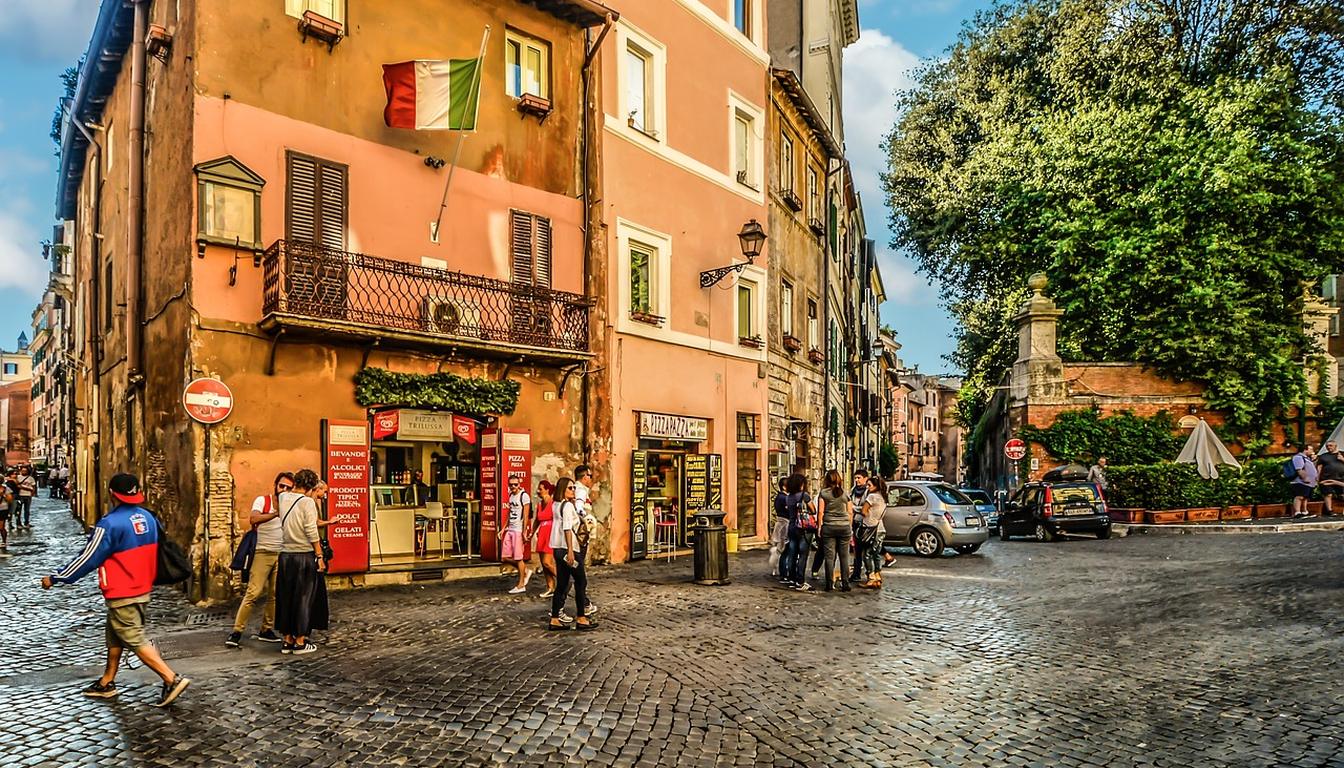
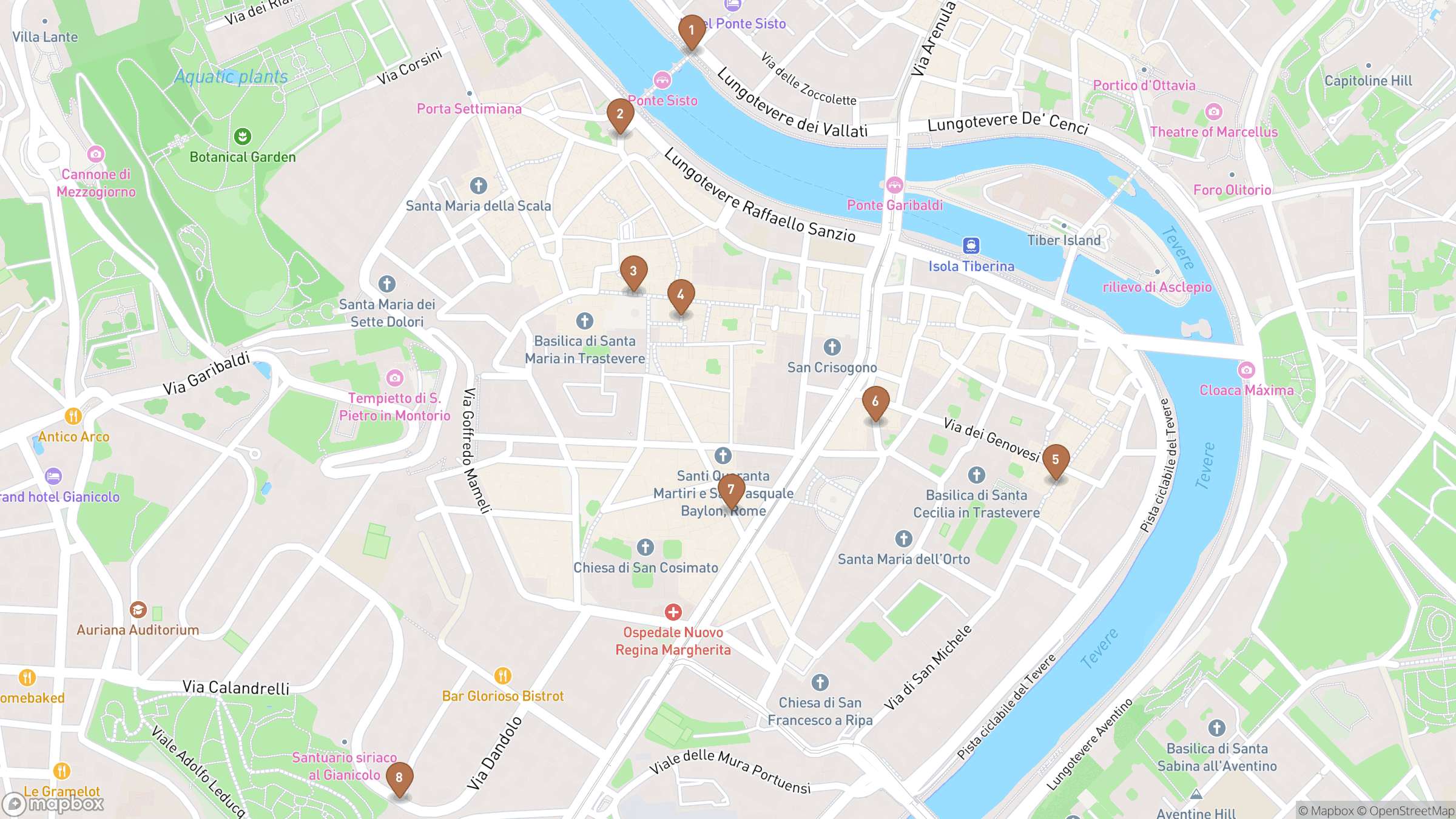
Trastevere transforms at dusk, when the stone lanes warm with light and Romans gather for aperitivo, music, and the slow rhythm of evening. This route follows the riverbank, landmark squares, and side streets that give the neighborhood its after-dark character. The walk begins along the Tiber, continues through Piazza Trilussa and Piazza Santa Maria in Trastevere, then explores the smaller streets toward Piazza San Calisto and the district’s historic basilicas, revealing how the neighborhood shifts from daytime tourism to evening social life.
Why Start at Dusk, Not Midday
The neighborhood’s evening atmosphere emerges as restaurants, bars, and lounge venues open and locals arrive for aperitivo. Rome’s official tourism authority identifies Trastevere as one of the city’s major nightlife areas, with clubs, lounge bars, and evening activity concentrated around its squares. The transformation is gradual but unmistakable—what feels like a tourist precinct during midday acquires a different character as the sun sets and residents reclaim the public spaces.
Lower daytime heat and softer light make walking more comfortable, especially in summer months. The stone surfaces that radiate stored warmth at midday cool by evening, and the narrow lanes benefit from cross-ventilation once the temperature drops. The quality of light changes the visual experience, casting long shadows across cobblestones and illuminating facades in warm tones that harsh midday sun flattens.
Street performers, live music, and public gatherings in the squares concentrate after sunset. Cultural sites like Santa Maria in Trastevere glow under exterior lighting, offering a different visual experience than daytime visits. Beginning on the Tiber side and continuing toward Piazza Trilussa and Piazza Santa Maria in Trastevere allows the walk to align with the neighborhood’s evening rhythm, where activity becomes more visible as bars and restaurants open.
Beginning Along the Tiber
Walking along the Tiber at dusk offers views of the opposite bank, bridges, and changing light.
The path is less congested than interior squares, allowing pace adjustment before busier areas. Ponte Sisto and the path toward Piazza Trilussa serve as the principal entry points from the historic center. Rome’s official tourism material describes the Tiber riverbanks as a route leading toward Trastevere for an evening visit, and the approach along the water provides context for the district’s geography. The river serves as an orienting line, marking the boundary between the central neighborhoods and the Trastevere side.
This section is transitional—neither fully in the historic center nor deep within Trastevere itself. The walk along the embankment offers a moment to observe the city from a middle distance before committing to the narrower streets ahead. The neighborhood is best explored on foot because its principal attractions are connected by alleys and squares, while the route near the Tiber provides a natural approach to the district.
Piazza Trilussa and the First Evening Crowd
Piazza Trilussa functions as the threshold between the riverbank and the interior lanes, and crowds begin to gather here as light fades. The fountain and steps are popular spots for informal gatherings, often with wine from nearby shops or early aperitivo. This square offers a snapshot of the neighborhood’s social rhythm before moving deeper into Trastevere.
Street musicians and vendors typically set up here in the early evening, adding sound and energy to the space. The official tourism guide lists Piazza Santa Maria in Trastevere, Piazza San Calisto, and Piazza Trilussa among areas associated with live music, aperitivo venues, wine bars, and nightlife. Trilussa marks the shift from walking route to social space—the pace slows, groups pause, and the evening begins to take shape.
The square’s function as a gathering point means it fills quickly on weekends and warm evenings. Pedestrian traffic from multiple directions converges here, creating a natural bottleneck that signals the start of Trastevere’s denser core. Use the square as a first waypoint but continue onward rather than settling immediately—the walk’s character deepens as the route progresses.
Through the Lanes to Piazza Santa Maria in Trastevere
The walk from Trilussa to the central piazza weaves through narrow, cobbled streets lined with trattorias, wine bars, and artisan shops. Medieval doorways and 17th-century facades mix with contemporary cafes and domestic architecture. Trastevere is located on the right bank of the Tiber and is recognized for its intricate alleys, characteristic squares, traditional Roman recipes, and nightlife.
Navigation should stay flexible. Following sound, light, or curiosity often leads to unexpected discoveries. Trastevere’s historic character is expressed through its narrow lanes, old squares, churches, and surviving urban fabric on the western bank of the Tiber.
Orientate using church towers and the general upward slope toward the basilica rather than strict turn-by-turn directions. The streets are not laid on a grid, and GPS often struggles with the narrow alleys. Learning to navigate by sight and sound—listening for the direction of music or conversation, following the flow of other pedestrians, watching for the tower of Santa Maria—makes the walk more intuitive and less dependent on digital guidance.
Small architectural details—carved lintels, potted plants on windowsills, faded frescoes on building corners—accumulate into a distinct neighborhood character.
Walk slowly enough to register these details, but keep moving rather than stopping in doorways or narrow passages where foot traffic builds.
Piazza Santa Maria in Trastevere: The Heart of the Evening
This is the neighborhood’s main evening gathering point, surrounded by outdoor seating, the illuminated basilica facade, and the central fountain. Both spontaneous gatherings and scheduled cultural events—including the annual Festa de’ Noantri—fill the piazza. Check official event listings before visiting—some evenings host live performances that draw larger crowds.
 Photo: Diego Delso / Wikimedia Commons, CC BY-SA 4.0 (cropped)
Tradition holds that the Basilica of Santa Maria was probably Rome’s first official Christian place of worship; it anchors the square visually and historically. The building’s exterior mosaics and facade decoration are particularly striking under evening illumination, when artificial light brings out details that midday sun washes out.
Arrive before full dark to see the mosaics on the facade catch the last natural light, then watch the square fill as restaurants open.
The dusk-to-dark transition offers the best light for seeing both mosaics and the social scene.
Use the piazza as a central waypoint but continue exploring rather than staying in one spot—the surrounding streets hold equal interest. The square functions as a hub, but treating it as the sole destination misses the district’s layered character. The density of activity here can be overwhelming on busy evenings, and stepping into adjacent lanes provides breathing room while maintaining proximity to the main gathering area.
The basilica’s interior is worth visiting if open, but respect worship schedules and any restrictions during evening services.
For a full multi-day plan in Rome, see First-time visitor’s guide to Rome in 4 days.
Piazza San Calisto and the Side Routes
A short walk from the main square, Piazza San Calisto attracts a mix of residents and informed visitors who prefer a less crowded setting. The official tourism guide lists Piazza Santa Maria in Trastevere, Piazza San Calisto, and Piazza Trilussa among areas associated with live music, aperitivo venues, wine bars, and nightlife.
The route between the two squares passes through residential streets where laundry hangs overhead and locals chat from balconies.
The route between the two squares passes through residential streets where laundry hangs overhead and locals chat from balconies.
Lighting softens, conversation shifts from tourists to residents, and the atmosphere becomes distinctly more residential.
Exploring these secondary squares reveals the district’s layered social geography beyond the single landmark piazza. San Calisto and similar smaller spaces function as overflow areas during peak times and as preferred gathering points for residents who avoid the main tourist concentration. Treat them as legitimate destinations rather than afterthoughts—each has its own selection of venues and its own character.
The side routes between squares are where Trastevere’s residential identity becomes most visible. The commercial veneer thins, the architectural fabric is less polished, and the rhythm of evening life aligns more closely with domestic routines than tourist schedules. These streets are not picturesque in the conventional sense, but they provide context for the neighborhood’s functioning beyond its role as an evening destination.
Cultural Stops: Santa Cecilia, San Francesco, and the Museum
A culturally focused evening route can include Santa Cecilia, San Crisogono, and San Francesco a Ripa Grande, each with distinct architectural and artistic significance.
 Photo: Alvesgaspar / Wikimedia Commons, CC BY-SA 4.0 (cropped)
Most rushed itineraries skip San Francesco a Ripa Grande, overlooking Bernini’s Ecstasy of Blessed Ludovica Albertoni. The church is woven into the residential fabric, requiring a small detour from the main pedestrian flow but rewarding the effort with quieter, more contemplative space. The sculpture is Bernini’s late work, and the chapel’s design uses natural and artificial light to dramatic effect.
The Museum of Rome in Trastevere focuses on 19th-century Roman festival traditions. Verify current opening hours before including a museum visit. If visiting a basilica or museum during the walk, verify current opening hours and any worship-related access restrictions before setting out.
These sites are distributed across the district rather than clustered together, so a culturally focused route requires intentional planning and additional walking time. Respect worship schedules—some basilicas close for evening services or limit access during Mass.
Attempting to cover every site in one evening misses both the art and the atmosphere; prioritize depth over breadth.
Treat each church or museum visit as a pause rather than a destination in itself. The walk’s character depends on movement and observation across multiple sites, not deep immersion in one location. If you need extended time at a site, visit it separately during daytime when access is more reliable and light is better.
For practical transit detail in Rome, see How to get around Rome using public transport: a complete guide.
Practical Notes: Transport, Safety, and the Return Journey
Public transport serves Trastevere; check Rome’s municipal transport information for current stop locations and schedules. The station is located on the district’s southern edge, requiring additional walking time from the central squares.
Stay on well-used streets, keep valuables secure in crowded squares, and watch for poor lighting in narrow lanes between main routes.
Stay on well-used streets, keep valuables secure in crowded squares, and watch for poor lighting in narrow lanes between main routes.
The district is walkable, but evening crowds can slow movement through the narrowest lanes—allow extra time if continuing to another neighborhood. Walk from Piazza Santa Maria to Trastevere station in fifteen to twenty minutes at moderate pace; allow longer during peak hours. If planning dinner or drinks, reserve in advance during peak season; many popular spots fill by 20:00.
Consider the route’s end point: circling back to the Tiber, continuing to Trastevere station, or crossing a bridge toward central Rome.
Plan your return before leaving the squares—night bus and metro frequencies differ from daytime, so check real-time transit info rather than printed timetables.
The walk described here is a framework, not a prescription. Individual timing, interests, and tolerance for crowds will shape the actual route. The district rewards flexible exploration rather than rigid adherence to a predetermined path, but basic orientation—knowing how to return to the Tiber, how to reach the station, how to navigate back to the historic center—prevents the common problem of extended wandering after dark in unfamiliar streets.