The 3 Mistakes Most First-Time Visitors Make at the Louvre (and How to Avoid Them)
The Louvre is the world’s largest museum, and without a plan, first-timers often face long queues, exhaustion, and disappointment. This guide unpacks the three most common pitfalls and shows you exactly how to sidestep them for a smoother, more rewarding visit.
Spanning approximately 60,000 square meters of exhibition space and housing hundreds of rooms, the Louvre can overwhelm even seasoned museum-goers. What began as a 12th-century fortress under King Philip Augustus and evolved into a royal residence during the Renaissance now welcomes 9 million annual visitors. Yet many travelers leave Paris feeling they didn’t experience the Louvre at its best, simply because they repeated the same logistical and planning errors that plague first-time visitors.
This article walks you through the three most common mistakes—arriving without a timed-entry ticket, attempting to see the entire collection in one visit, and fixating solely on the Mona Lisa—and provides practical strategies to navigate each one. With these fixes in place, you’ll spend 2 hours seeing 8–10 masterpieces up close rather than 6 hours in queues.
Mistake #1: Arriving Without a Timed-Entry Ticket
Many first-time visitors assume they can buy tickets at the door, only to face unpredictable wait times and risk sold-out time slots. The Louvre uses timed-entry tickets to manage visitor flow, and advance booking is strongly recommended, especially during peak travel seasons.
Security checks apply to all visitors, and without a pre-booked ticket, you may spend valuable time in multiple queues before even entering the museum. Leave suitcases and bulky bags at your hotel; the cloakroom won’t accept oversized luggage. Arriving without a ticket means you’ll first queue for ticketing, then queue again for security screening, potentially losing an hour or more of your Paris itinerary.
Booking ahead online guarantees your entry and allows you to choose less crowded time slots, such as early morning or late evening openings. The museum generally opens from 9:00 to 18:00, with extended hours until 21:00 on select evenings like Friday. Selecting an early slot or an evening session reduces the density of crowds and gives you more breathing room in the galleries.
Note that the Louvre is closed every Tuesday, so double-check your travel dates before booking. Missing this detail is a common oversight that leaves visitors scrambling to rearrange their Paris schedule at the last minute.
For broader context on planning your visit, you can compare access options for major Paris attractions to see how timed-entry systems work across the city’s museums and landmarks.
Mistake #2: Trying to See the Entire Museum in One Visit
The Louvre spans approximately 60,000 square meters of exhibition space across hundreds of rooms—physically impossible to see in a single day. Attempting to cover everything leads to museum fatigue, diminished enjoyment, and missed opportunities to truly appreciate individual masterpieces.
The museum is organized into three main wings—Denon, Sully, and Richelieu—each housing distinct collections and eras. Denon is home to Italian Renaissance works and the Mona Lisa, Sully contains Egyptian antiquities and Greek sculpture, and Richelieu focuses on French painting and decorative arts.
Each wing alone offers more than enough to fill a meaningful visit.
Instead of a marathon visit, choose one or two wings and a short list of must-see works that align with your personal interests. If you’re drawn to ancient civilizations, focus on the Egyptian collections in the Sully wing. If Renaissance art is your passion, concentrate on Denon and works like the Wedding at Cana or the Winged Victory of Samothrace.
Identify 5–10 works you genuinely want to see ahead of time; this will give your visit structure and purpose. Download the museum map before you arrive and plot your route—even a focused tour of one or two wings will require significant movement through galleries, staircases, and connecting corridors. Wear comfortable shoes.
Mistake #3: Making the Mona Lisa Your Sole Focus
The Mona Lisa is undeniably famous, but heading straight there without a broader plan means you’ll likely face the largest crowds in the museum. Many visitors spend their entire Louvre experience queuing for and photographing one small painting, then leave without seeing other world-class masterpieces.
Mona Lisa (La Joconde) by Leonardo da Vinci is one of the most visited works in the Louvre and is displayed in the Denon wing. The painting draws constant crowds, and the viewing experience often involves jostling for position behind protective barriers and layers of other visitors.
The 10-minute wait to see it is rarely worth the crowds—go early or skip it if you’re not specifically interested in Renaissance portraiture. Treat it as one stop on a curated route that includes other highlights in the same area. Consider the Wedding at Cana or the Winged Victory of Samothrace, both of which you can view without fighting through a mob.
A balanced route allows you to appreciate the breadth of the Louvre’s collections, from ancient civilizations to Renaissance art, without fixating on a single work. The Near Eastern Antiquities wing, with its Mesopotamian pottery and cylinder seals, draws maybe 5% of the Mona Lisa crowd.
How to Plan a Smarter Louvre Visit: Practical Strategies
Before your visit, download or review the museum map and identify 5–10 works or rooms that genuinely interest you. This preparation transforms your visit from a vague intention to see “the highlights” into a purposeful itinerary that reflects your personal taste and curiosity.
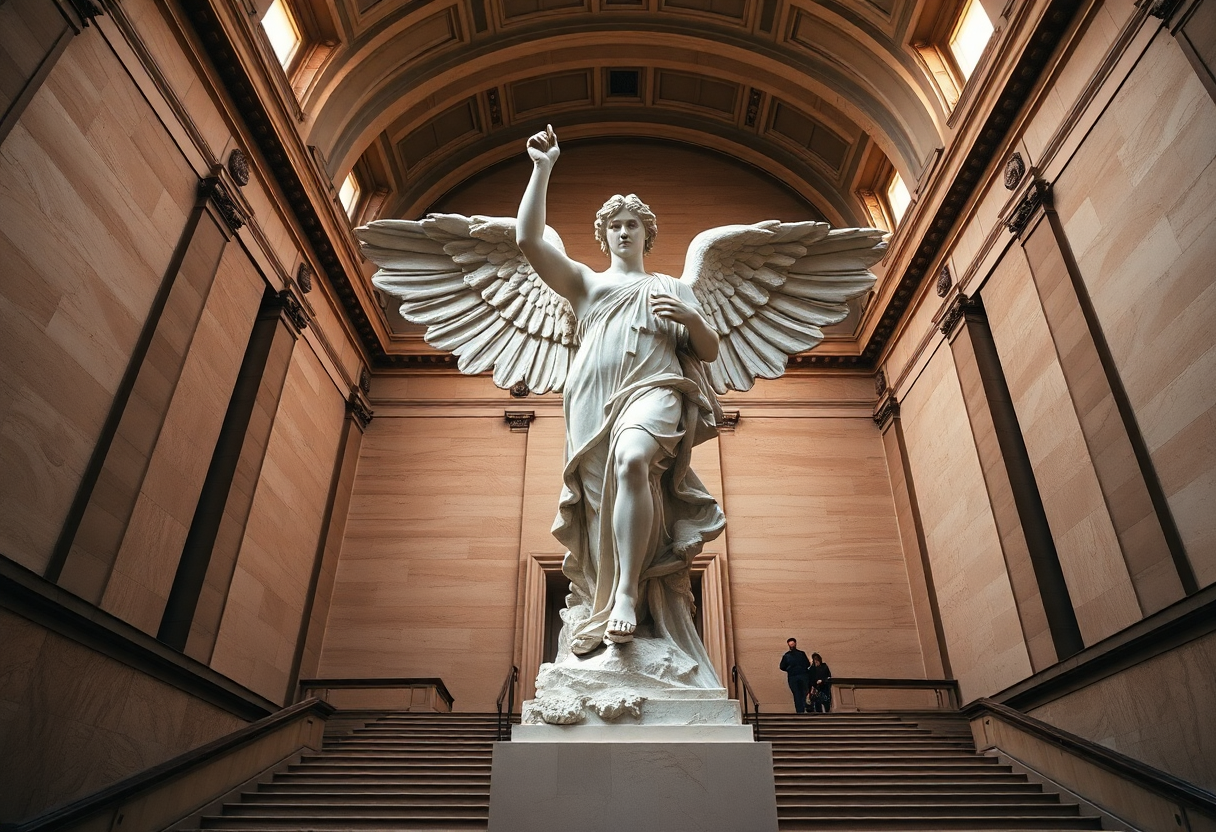
Choose a focus theme—ancient Egypt, Italian Renaissance, French painting, or sculpture—and build your route around that collection. Sticking to one wing instead of bouncing between Denon and Sully means fewer stairs, less map-checking, and more time actually looking. If you’re fascinated by classical antiquity, for example, dedicate your visit to the Greek and Roman sculpture galleries in the Sully wing rather than attempting to cover Renaissance paintings, Egyptian artifacts, and decorative arts in a single session.
Allocate 2–3 hours for a focused visit rather than attempting an all-day marathon; you can always return on a future trip. Quality engagement with a smaller selection of works means you’ll remember the Winged Victory from multiple angles rather than a blurry photo of the Mona Lisa.
Wear comfortable walking shoes and carry only a small day bag to comply with security rules and ease movement through the galleries. Uncomfortable footwear will sap your energy and enjoyment. A small day bag keeps you mobile and compliant with security regulations, which prohibit large luggage and bulky items.
Take advantage of evening openings (such as Friday nights) or early morning slots when crowds are lighter and the experience is more contemplative. Less crowded time slots not only reduce the physical density of visitors but also change the atmosphere of the galleries, allowing for quieter, more reflective engagement with the art. Evening visits, in particular, can offer a more intimate perspective on works that are mobbed during midday hours.
For additional context on planning your time in the French capital, explore broader strategies for visiting Paris attractions to understand how the Louvre fits into a well-paced itinerary.
For a full multi-day plan in Paris, see Best things to do in Paris in 3 days: a curated itinerary.
Understanding the Louvre’s Layout and Entrances
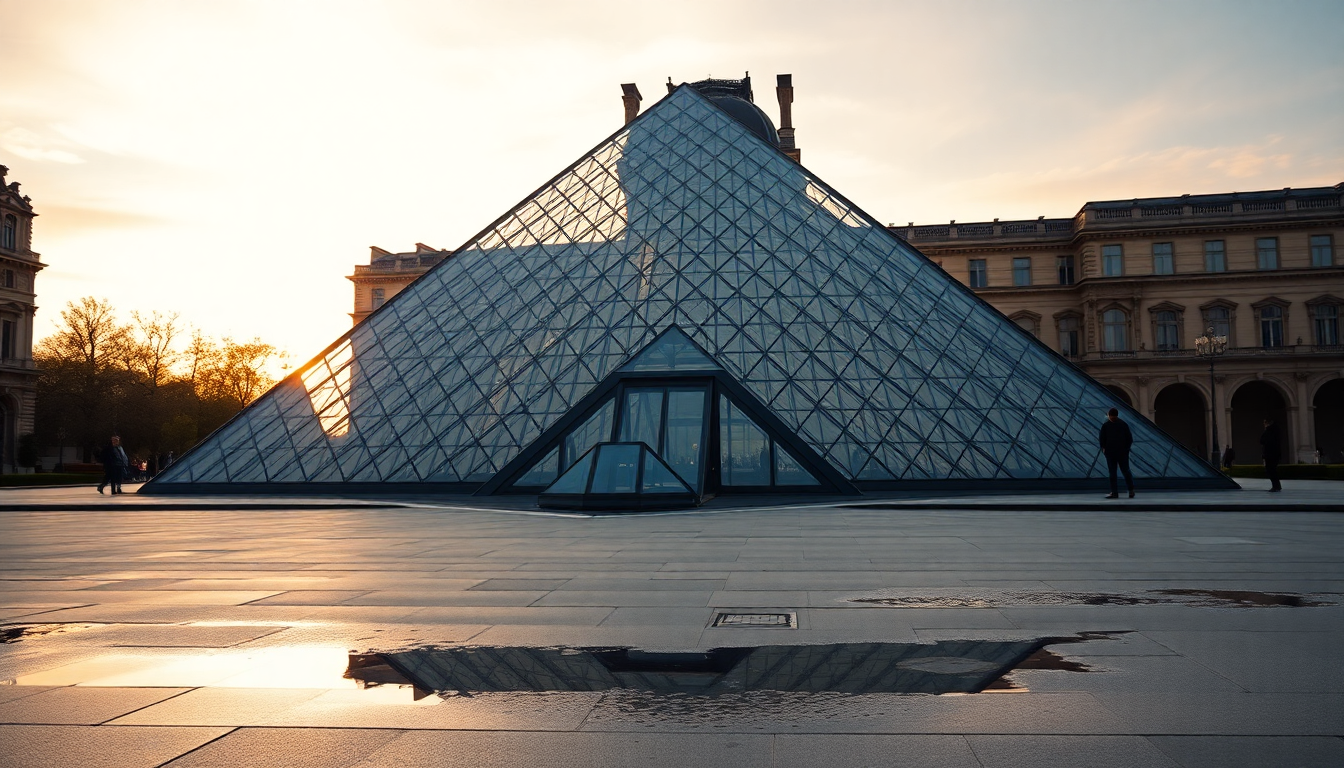
The Louvre has multiple entrances, with the glass Pyramid serving as the main and most crowded entry point. Designed by architect Ieoh Ming Pei and inaugurated in 1989, the Pyramid is not only a landmark but also the primary access route for most visitors. However, understanding the full layout of entrances can help you navigate more efficiently.
Book ahead and use the dedicated entrance near Passage Richelieu to skip the main Pyramid queue. While the Pyramid is the most well-known entry, other access points may offer shorter queues during peak periods. Familiarizing yourself with the museum’s entrance options before arrival can save significant time, especially during high season.
Book ahead and use the dedicated entrance near Passage Richelieu to skip the main Pyramid queue.
Security screening is mandatory for all visitors, so allow extra time and avoid bringing prohibited items like large luggage or bulky bags. The security process applies universally, regardless of which entrance you use or whether you’ve pre-booked tickets. Plan to arrive slightly earlier than your timed-entry slot to account for screening, cloakroom procedures if necessary, and initial orientation.
Each of the three wings (Denon, Sully, Richelieu) offers different collections, and understanding the layout helps you plan efficient routes. The Denon wing houses Italian Renaissance works, the Mona Lisa, and major French paintings. Sully contains Egyptian antiquities, Greek sculpture, and ancient Near Eastern collections. Richelieu focuses on French decorative arts, Northern European paintings, and Islamic art. Knowing which wing holds your priority works allows you to design a logical, time-efficient path through the museum.
The museum’s sheer size can be disorienting; keep a map handy and use signage or museum staff for navigation assistance. Even with advance planning, the Louvre’s labyrinthine corridors and multi-level layout can confuse first-time visitors. Don’t hesitate to ask museum staff for directions or clarifications—they’re accustomed to helping disoriented visitors and can often suggest shortcuts or alternative routes.
What Else to Keep in Mind for Your First Louvre Visit
The Louvre is generally open from 9:00 to 18:00, with extended hours until 21:00 on select evenings. Check the Louvre website 48 hours before you go—hours shift by season, and you don’t want to arrive at a closed museum. Evening openings, particularly on Friday, offer a different experience with softer lighting and fewer families with young children.
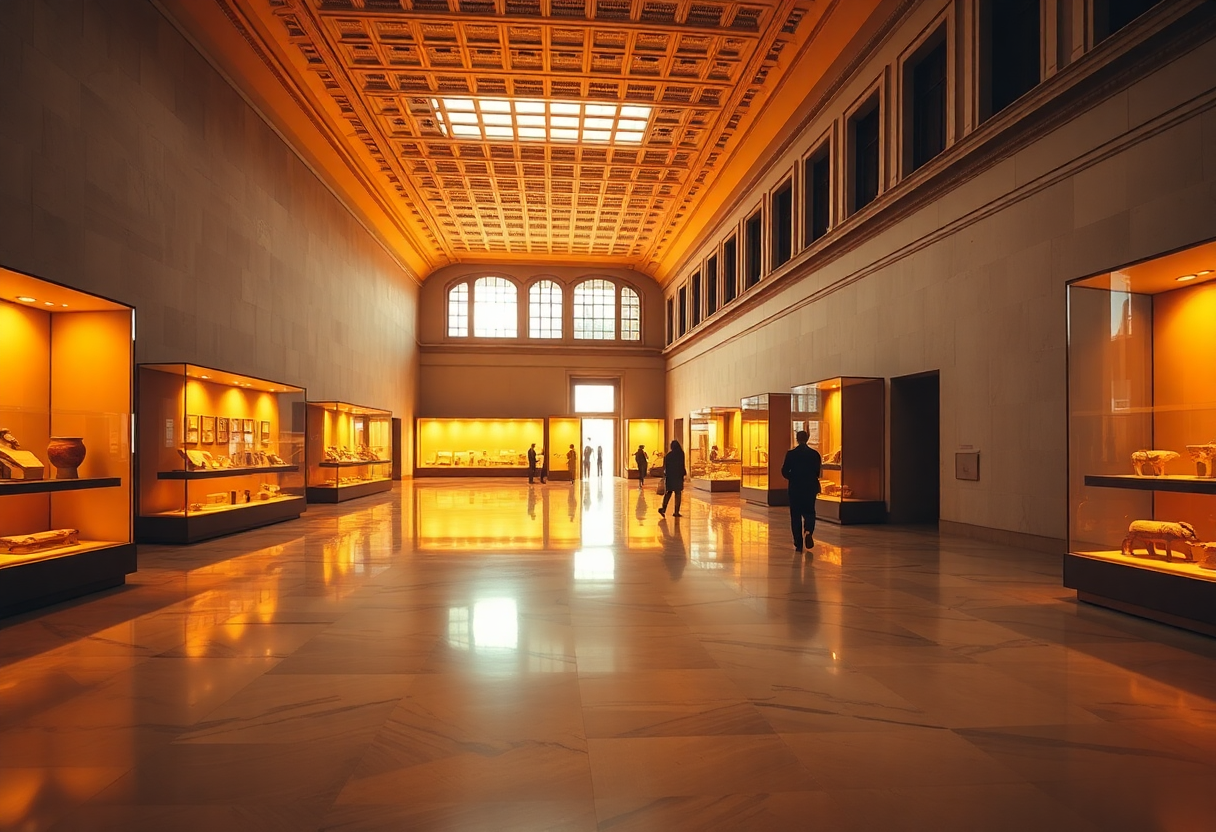
Tuesdays are always closed, so plan around this weekly closure to avoid disappointment. This fixed closure day is one of the most commonly overlooked details by first-time visitors, and it’s worth highlighting in bold on your Paris calendar. Arriving in Paris on a Tuesday and discovering the Louvre is shut can derail carefully planned itineraries.
Consider visiting less popular wings or collections—such as the Near Eastern Antiquities or the Decorative Arts—for a quieter, more intimate experience. The Ingres room in Denon is nearly empty but has the museum’s most intimate portrait collection. Exploring quieter galleries allows for contemplative viewing and often reveals works that receive a fraction of the foot traffic that concentrates around the Mona Lisa and Venus de Milo.
Photography is allowed in most areas, but flash and tripods are prohibited; be respectful of other visitors and the artworks. While capturing memories is part of the modern museum experience, remember that excessive photography can detract from direct engagement with the art. Balancing a few select photos with periods of simply looking and absorbing will enrich your visit and reduce the time you spend framing shots rather than appreciating masterpieces.
Skip the long group tours; use the audio guide instead so you can move at your own pace. Guided options can provide narrative threads that connect individual works and offer historical background, but they lock you into a fixed schedule and force you to linger at works that might not interest you while rushing past pieces you’d prefer to study.
For depth on a specific Paris site, see Versailles or Fontainebleau: which day trip from Paris should you choose?.
Why These Mistakes Matter: Making the Most of Your Time
For most first-time visitors, the Louvre is either transformative or exhausting—preparation determines which. The difference between a stressful, disappointing visit and a rewarding, memorable one often comes down to a few simple planning decisions made days or weeks before you arrive in Paris.
Advance planning, realistic expectations, and a focused approach allow you to engage deeply with the art and architecture rather than racing through halls. The works you choose to prioritize will depend on your personal interests, but the quality of your engagement with those works depends on the logistical and strategic choices you make before and during your visit.
By avoiding common pitfalls, you’ll leave the Louvre with specific memories of masterpieces—not just memories of crowds and fatigue. Spend 2.5 hours and see the Winged Victory twice rather than 6 hours in a daze.
By avoiding common pitfalls, you’ll leave the Louvre with specific memories of masterpieces—not just memories of crowds and fatigue.
According to Wikivoyage, the Louvre’s sheer scale means that even a brisk walk through every gallery would take days, reinforcing why a targeted approach is essential for first-time visitors. The museum’s collection spans ancient civilizations, European paintings, decorative arts, and Islamic art across three wings—Denon, Sully, and Richelieu—making it physically impossible to absorb everything in a single visit without sacrificing depth for breadth.
The official France tourism portal emphasizes that the Louvre is not just a repository of art but a living monument to French history, with its architecture and evolution reflecting centuries of cultural shifts. The medieval basement room is uncrowded and worth 10 minutes if you arrive early. By avoiding the three mistakes outlined above, you position yourself to engage with both the art and the architectural legacy that makes the Louvre a cornerstone of Parisian culture.