Montjuïc in Half a Day: A Route That Links the Hill’s Best Stops
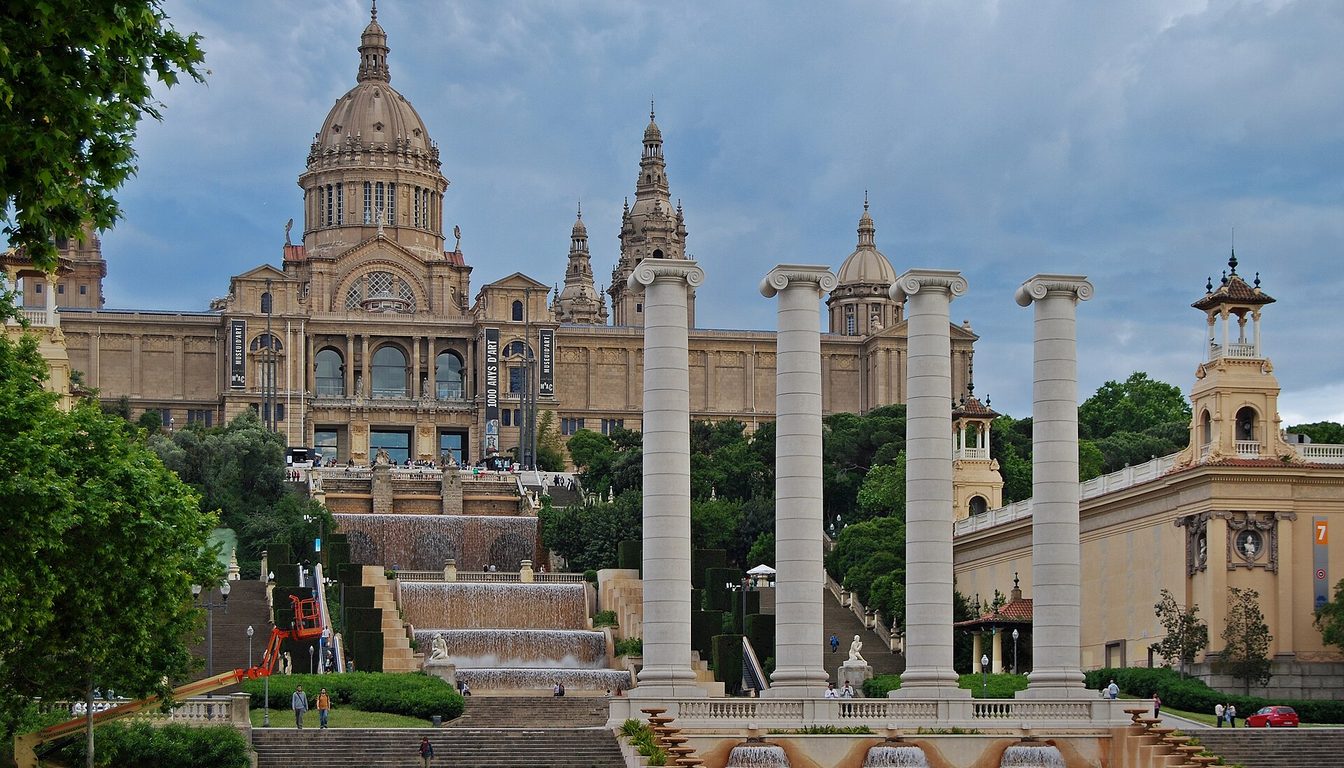
Montjuïc is too vast to cover completely in one visit, but a well-planned half-day route connects the hill’s signature attractions—from the monumental Plaça d’Espanya through gardens and Olympic venues to the historic castle. This guide shows how to link the best stops using a combination of walking and smart transport choices.
Understanding Montjuïc’s Geography and Scale
Montjuïc is an extensive park area with cultural facilities, sporting venues, gardens, and historic fortifications distributed across the hillside, accessible by metro, buses, the funicular, and the cable car, according to Barcelona City Council. More than twenty parks and gardens reflect different periods and approaches to Barcelona’s urban and gardening history.
The hill’s size and steep terrain mean a half-day visit requires prioritising a handful of stops rather than attempting every attraction. Some sections involve significant elevation changes, and the distance between major sites can stretch into hundreds of metres. Multiple metro lines, buses, the funicular, and cable car reach Montjuïc, helping you navigate the elevation changes and distances between sites while conserving energy for exploring individual locations.
Understanding the layout before arrival helps shape realistic expectations. Montjuïc functions as a series of distinct zones—exhibition grounds, Olympic installations, garden networks, and the castle summit—rather than a compact walkable circuit. Selective planning transforms the experience from an exhausting sprint into a manageable exploration.
Starting Point: Plaça d’Espanya and the Approach to MNAC
Plaça d’Espanya serves as the most practical starting point, with metro and bus connections converging at the foot of Montjuïc. The Plaça d’Espanya, Poble Sec, Paral·lel, Foc, Foneria, and Magòria-La Campana stations provide access points around the mountain, though the main square offers the clearest orientation for first-time visitors.
The monumental staircase and fountains created for the 1929 International Exposition lead uphill toward the National Art Museum of Catalonia. This lower section of the route introduces the hill’s ceremonial architecture and provides early views over the city. The wide avenue connecting the square to the museum terrace preserves the grandeur intended for the exposition, with twin towers framing the entry to the exhibition complex.
Walking this initial stretch on foot allows you to appreciate the scale and design of the exhibition grounds. The gentle incline from Plaça d’Espanya to the MNAC terrace typically takes fifteen to twenty minutes at a comfortable pace, with opportunities to pause at fountains or viewpoints along the way.
The MNAC Area and 1929 Exhibition Grounds
The National Art Museum of Catalonia occupies the Palau Nacional, one of the landmark buildings from the 1929 International Exposition. Even without visiting the museum interior, the terrace offers views across the harbour, city grid, and surrounding mountains, and a midpoint to assess the uphill route ahead. The grand staircase fronting the palace provides a natural observation platform for surveying both the approach from Plaça d’Espanya and the hillside rising toward the castle.
The surrounding exhibition grounds retain pavilions, gardens, and infrastructure from the 1929 fair, now integrated into the park landscape. Some structures house cultural institutions or public facilities, while others serve as atmospheric reminders of the exposition’s international scope. This zone can be explored briefly or used as a transition point toward the Olympic installations and gardens higher up the hill.
The MNAC terrace marks a logical decision point in the route. From here, paths diverge toward the Olympic Ring to the west, the botanical and landscaped gardens to the south and east, and the castle road continuing uphill to the north. Assessing stamina, time remaining, and individual interests at this juncture helps refine the rest of the itinerary.
Olympic Ring and 1992 Sporting Venues
The Olympic Stadium, Palau Sant Jordi, and telecommunications tower formed the core of the 1992 Barcelona Games and remain landmarks on the mountain. Reach the Olympic Ring area by funicular or bus, then explore on foot once there. The funicular from Paral·lel metro station delivers visitors to the mid-mountain area, positioning them near the sporting venues without the uphill walk from MNAC.
 Photo: Andy Mitchell from Glasgow, UK / Wikimedia Commons, CC BY-SA 2.0 (cropped)
Visitors interested in modern sports architecture will find this section a highlight, while others may choose to skip it in favour of gardens or the castle. The venues are primarily exterior installations, so a brief stop for photographs and context is often sufficient for a half-day itinerary. The stadium preserves its neoclassical façade from the earlier 1929 games while the interior was remodelled for 1992, creating an architectural dialogue between the two major events in Barcelona’s twentieth-century history.
The telecommunications tower, designed by Santiago Calatrava, punctuates the skyline and provides a visual anchor from various points across the city. Walking the perimeter of the Olympic Ring takes approximately twenty to thirty minutes, depending on how thoroughly you explore individual buildings and viewpoints. The area combines sports history with striking contemporary design, appealing to those interested in Barcelona’s modern urban development.
Selecting Gardens Along the Route
Montjuïc’s gardens vary widely in character, from formal landscaping to botanical collections and woodland paths. Rather than attempting every garden, choose one or two that align with your interests—botanical, historical, or simply for a rest stop with views. Each garden represents a different aspect of Barcelona’s gardening history and urban planning, so selective visits allow deeper appreciation than rushing through multiple sites.
 Image by violetta from Pixabay
The Joan Brossa Gardens occupy the former amusement park site, which operated for three decades before closing in 1998. The remodelled space blends play installations, art, and natural landscaping, creating a different atmosphere from the more formal gardens elsewhere on the mountain. Families may find this area particularly engaging, while others might prefer the quieter, more contemplative botanical collections.
Other notable gardens include formal terraces with Mediterranean plantings, shaded woodland walks, and areas designed around specific botanical themes. More than twenty parks and gardens are distributed across Montjuïc, so consulting a map or signage upon arrival helps identify which zones align best with the time available. Many gardens offer shaded seating and water fountains, making them practical rest stops during warmer months.
The diversity of garden styles means you can tailor stops to personal preference. Those interested in horticulture may prioritise botanical collections, while architecture enthusiasts might focus on formal terraces and historic pavilions. Casual visitors often find that one well-chosen garden provides sufficient variety and respite without overcomplicating the route.
For practical transit detail in Barcelona, see Barcelona public transport explained: metro, FGC, and Tmb passes.
Montjuïc Castle: History, Views, and the Visitor Centre
The castle sits at the summit and has served defensive roles since a watchtower was documented here in 1073.
The present fortification began construction in 1672, with Juan Martín Cermeño’s project completed between 1753 and 1779.
The visitor centre presents the mountain’s prehistoric, Neolithic, Iberian, and Roman occupation history, providing context beyond the military structure. The exhibits chronicle human activity from earliest settlement through medieval fortifications to modern civic use. The fortifications date to 1672 and were expanded through 1779, reflecting Barcelona’s role in successive European conflicts.
Views of the harbour, city grid, and surrounding mountains from multiple rampart sections make the castle a natural endpoint for the half-day route, with bus connections available for the return journey. Walk the ramparts to see the harbour, city grid, and surrounding mountains from different angles. Plan thirty to forty minutes for a visit that includes both the interior exhibits and exterior viewpoints.
The castle complex also hosts temporary exhibitions and cultural programming, so checking current offerings through Barcelona City Council before arrival can add an unexpected dimension to the visit. The castle offers both exhibits and elevated views; plan thirty to forty minutes to visit both before descending by bus or cable car.
Transport Strategy: Combining Walking with Bus and Funicular
Bus 150 runs from Plaça d’Espanya to Montjuïc Castle, crossing a substantial part of the mountain and offering the option to ride uphill and walk down, or vice versa. This routing allows you to tackle the steepest sections mechanically while reserving energy for exploring individual sites. The bus route connects major stops including the MNAC area, Olympic Ring access points, and the castle entrance.
The funicular connects the Paral·lel metro station with the mid-mountain area, providing quick access to the Olympic Ring and nearby gardens. For those starting from elsewhere in Barcelona, taking metro to Paral·lel then funicular up eliminates the lower approach walk and deposits you closer to the sporting venues and castle. Combining walking with scheduled transport reduces uphill effort and allows more energy for exploring individual stops.
Check current timetables and routes through Barcelona City Council before departure to avoid delays and ensure the half-day schedule remains realistic. Transport frequency varies by day of the week and season, so confirming service patterns helps prevent extended waits at stops. Montjuïc’s transport is integrated with Barcelona’s broader metro and bus network.
Strategic transport use transforms the visit from a physical challenge into a comfortable exploration. Consider riding transport uphill to the castle, exploring the summit, then walking downhill through selected gardens and Olympic sites before taking metro from a lower access point. This approach lets gravity assist the descent while ensuring the castle’s superior views conclude the route.
Strategic transport use transforms the visit from a physical challenge into a comfortable exploration.
For those planning a daytrip outside the city, similar transport logic applies—compare access options before committing to a particular routing, then integrate local knowledge gained from the Montjuïc experience to navigate unfamiliar terrain efficiently.
For a full multi-day plan in Barcelona, see Barcelona in 3 days: beach, Gaudí, and tapas itinerary.
Practical Tips for a Smooth Half-Day Visit
Verify opening times for individual facilities before setting out, as Montjuïc’s attractions operate with independent hours that may not align on certain days or off-peak seasons. Checking ahead prevents arriving at closed gates.
Allow extra time for uneven or sloping paths, and be prepared for stairs at the castle and certain garden areas.
While major routes accommodate wheelchairs and strollers, secondary paths and some historic structures involve steps or steep grades. Comfortable walking shoes prove essential, as does realistic pacing that accounts for elevation changes.
Focus on two or three main stops—such as MNAC terrace, one garden, and the castle—rather than rushing between every possible site. Attempting too many locations on a half-day leads to superficial encounters and transport stress. Depth over breadth—focus on two or three main stops.
Bring water and sun protection, especially in warmer months. The exposed hillside sections offer limited shade. Mediterranean sun intensifies at elevation, and fountains or kiosks may be spaced farther apart than in the dense urban core. Bring a small backpack with water, snacks, and sun protection to avoid mid-route stops at kiosks.
Bring a small backpack with water, snacks, and sun protection to avoid mid-route stops at kiosks.
Many visitors finish at the castle for sunset; bus 150 and the cable car offer convenient descents to the city. This timing also means daytime hours are spent actively exploring rather than waiting for optimal photography conditions. If scheduling allows broader regional exploration, the principles used here—combining transport, prioritising stops, checking access—apply equally when you review Park Güell options or plan other Barcelona highlights.