Park Güell or Casa Batlló First: Which Gaudí Site Rewards a First-Time Visit More?
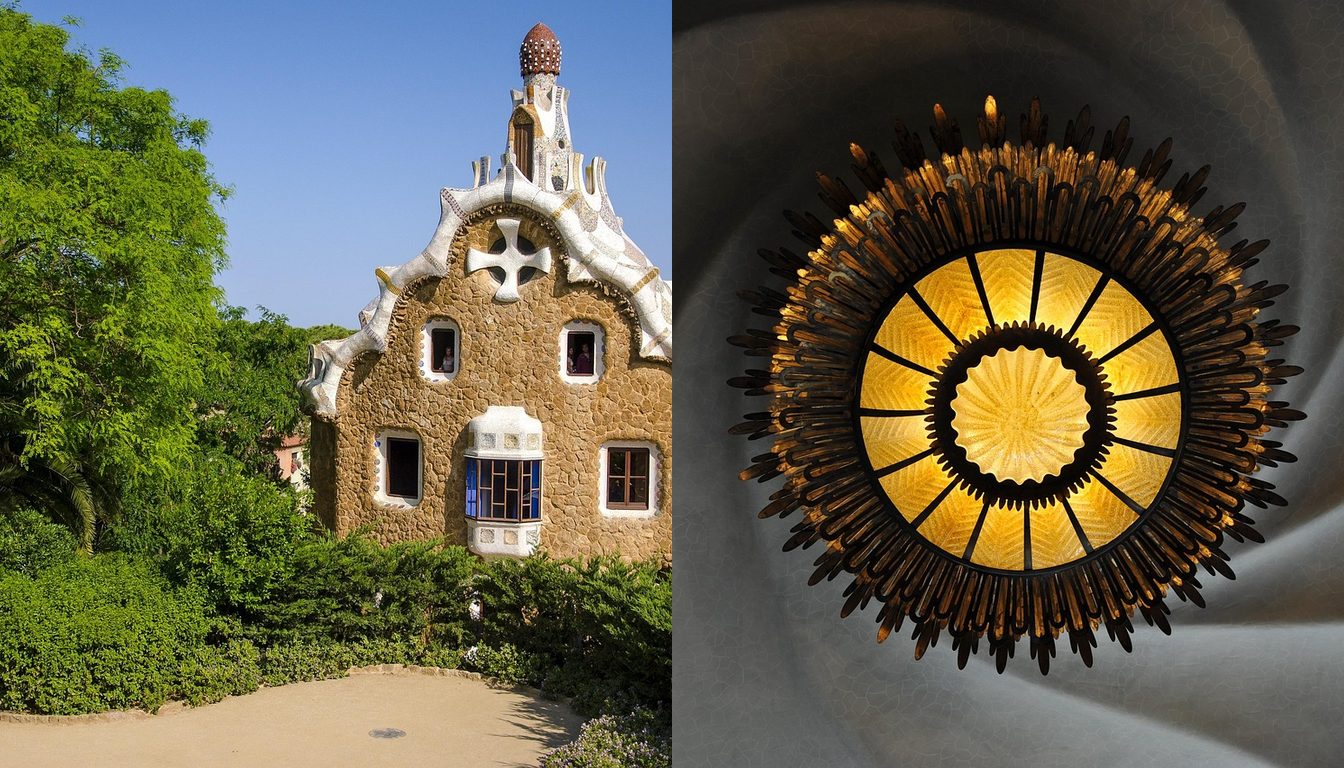
For first-time visitors with only one Gaudí slot, the choice between Casa Batlló’s immersive interiors and Park Güell’s open-air skyline views defines very different experiences—both UNESCO-listed, but serving different traveler priorities. One is an intimate urban house tour through curated rooms and rooftop terraces; the other is a hillside park offering mosaics, colonnades, and views that stretch from the harbor to the Sagrada Familia on clear days.
If your legs or patience are limited, Casa Batlló wins every time—zero uphill trek. Park Güell’s worth the climb only if you genuinely care about city views.
What makes Casa Batlló and Park Güell so different?
Casa Batlló is an urban house on Passeig de Gràcia transformed by Antoni Gaudí between 1904 and 1906, offering indoor rooms, rooftop access, and an immersive visitor route that guides you through the architect’s vision floor by floor. The experience is compact, weather-protected, and centrally located among the boulevards of Barcelona’s Eixample district. Casa Batlló is a UNESCO World Heritage site listed as part of the ‘Works of Antoni Gaudí,’ sharing its cultural status with Park Güell and other landmark projects.
Park Güell, designed by Gaudí between 1900 and 1914, is a hillside park with the Monumental Zone featuring outdoor structures, ceramic mosaics, and panoramic city views. Unlike Casa Batlló’s interior focus, Park Güell rewards visitors who value open-air architecture and the opportunity to explore a broader landscape under natural light. Casa Batlló is a 90-minute guided loop; Park Güell is open-ended—you set your own pace, which means some visitors spend two hours, others thirty minutes.
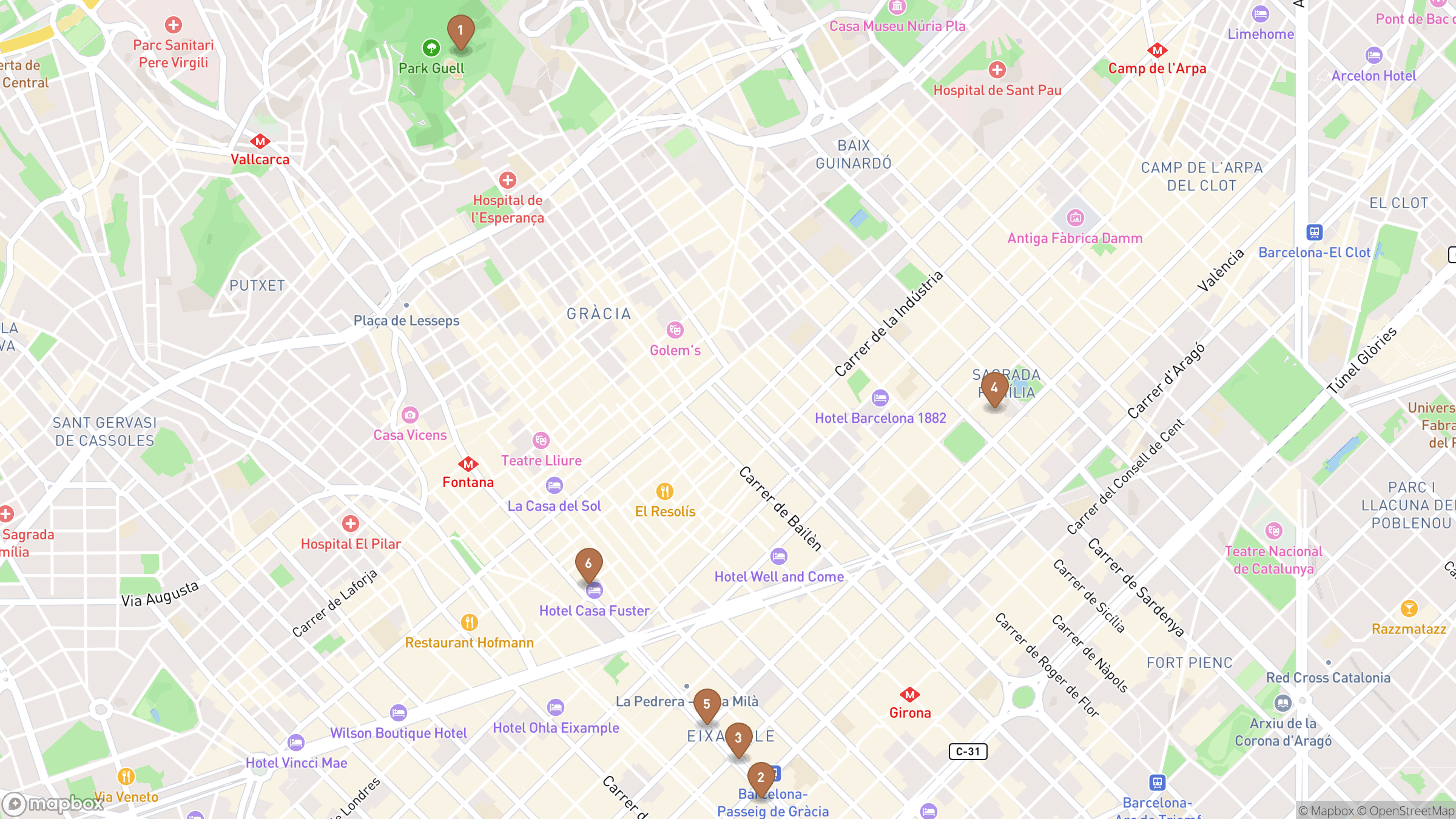
The location difference matters more than many first-timers anticipate. Casa Batlló sits in the city center, making it easy to combine with shopping, dining, and other Eixample attractions. Park Güell requires uphill travel—by metro, bus, or taxi—and involves more logistical planning to reach the Monumental Zone from Barcelona’s central districts.
When Casa Batlló rewards a first-timer more
Casa Batlló is the stronger choice for travelers prioritizing the most concentrated indoor Gaudí experience in the shortest time. Its central Passeig de Gràcia location makes it straightforward to combine with an Eixample itinerary, including nearby shops, dining, and other architectural landmarks along the boulevard. The immersive interior route, rooftop terrace, and architectural details across multiple floors deliver concentrated impact in a weather-proof setting that doesn’t require uphill walks or extended travel.
If your schedule is tight or you prefer avoiding hillside transport, Casa Batlló is the more straightforward choice. Casa Batlló’s official tour guides you through interior rooms and rooftop rather than outdoors. The light wells, curved doorways, and undulating ceilings won’t be visible from the street. The timed-entry format means predictable visit duration and simpler planning—you enter at your booked slot, follow the route, and exit within a known time window.
For travelers who value efficiency and central convenience, Casa Batlló reduces the variables. You won’t need to factor in uphill walking, variable weather exposure, or extended approach time from other parts of the city. The visit is self-contained, and the location ensures you’re already positioned for the next item on your Barcelona itinerary without backtracking across districts.
When Park Güell rewards a first-timer more
Park Güell is the better option for travelers who value open-air architecture, skyline panoramas, and a broader outdoor setting.
 Photo: Bernard Gagnon / Wikimedia Commons, CC BY-SA 3.0 (cropped)
The serpentine bench and mosaic pathways are best visited mid-morning or late afternoon when crowds thin. The Monumental Zone features mosaics, the serpentine bench, colonnades, and architectural elements displayed in natural light and fresh air, allowing you to photograph and absorb the landscape at a more flexible pace.
Park Güell’s official visitor guidance highlights panoramic views of Barcelona from the site, and the Monumental Zone is described as the area with the most emblematic features, with entry controlled to preserve the experience and manage capacity. If you prefer outdoor sightseeing or plan to combine your visit with other Gràcia neighborhood attractions, Park Güell aligns better with that style of exploration. The visit allows for a longer, less confined experience where you can stroll, pause for photos, and appreciate how Gaudí integrated architecture with the natural contours of the hill.
For those who find interior museum visits confining or who want a break from enclosed spaces, Park Güell offers relief. The outdoor format means you’re not limited to a narrow circulation route—within the Monumental Zone, you can move at your own rhythm, pause at viewpoints, and enjoy the interplay between built structures and the surrounding landscape. If your Barcelona plans include uphill or Gràcia exploration, the location becomes an asset rather than a drawback, offering access options that fit into a broader neighborhood itinerary.
For depth on a specific Barcelona site, see 5 booking mistakes that ruin a Sagrada Família visit.
Access, transport, and logistical realities
Casa Batlló is on Passeig de Gràcia, served by metro lines and central bus routes, with immediate access from the street. You step off the metro, walk a block or two, and you’re at the entrance—no uphill navigation, no transfer planning. This makes Casa Batlló the lower-friction choice for travelers managing tight schedules or those less comfortable with Barcelona’s public transport network.
Park Güell sits on higher ground. Reaching the Monumental Zone involves metro, bus, or taxi plus uphill walking that can be steep depending on which entrance you approach. The logistical investment is manageable but real, and travelers sensitive to hills, stairs, or travel time should factor that into their decision. Book both attractions weeks ahead during summer; walk-ups rarely succeed.
Park Güell’s Monumental Zone is not a free-roam public park. Entry is ticketed and capacity-controlled, which means you cannot assume unrestricted access to the most famous architectural elements. The surrounding park area remains open, but the parts visitors typically associate with “Park Güell”—the serpentine bench, dragon staircase, pavilions—are within the managed zone. Understanding this distinction avoids the common misconception that the entire site is freely accessible.
Common misconceptions that trip up first-timers
Park Güell is not entirely free and open. In reality, the Monumental Zone requires tickets and entry control, so travelers should plan ahead rather than assuming they can wander in at any moment. This catches many backpackers off-guard in July; the surrounding free park is underwhelming, so budget for the Monumental Zone ticket or skip it entirely.
Another misconception is that Casa Batlló is just a facade photo stop, when the interior route and rooftop are the core of the visit—the facade is impressive from the street, but the light wells, curved doorways, and undulating ceilings won’t be visible from the street.
Many first-timers also assume both sites offer the same type of Gaudí experience. One is an indoor house; the other is an outdoor park with views. The wavy balconies on Casa Batlló’s facade and the mosaic-covered columns at Park Güell demonstrate his style, but the format, scale, and visitor rhythm differ fundamentally. Conflating the two can lead to disappointment if you arrive expecting one type of visit and find another.
Conflating the two can lead to disappointment if you arrive expecting one type of visit and find another.
A final myth is that you can decide on the day without planning. Both attractions draw heavy tour-group traffic, especially 10 a.m.–2 p.m., so book early slots if you want breathing room. Walk-up availability is not guaranteed, especially during peak travel months, so treating either site as a spontaneous drop-in risks limited access or inconvenient time slots.
How to decide: matching site to your first-visit priorities
If you want the most concentrated, central, and interior-focused Gaudí experience, choose Casa Batlló. If you want outdoor architecture, city views, and a more spacious, natural-light setting, choose Park Güell. Neither decision is wrong, but your choice should reflect your personal sightseeing style rather than a universal “best” ranking.
 Photo: Simon Burchell / Wikimedia Commons, CC BY-SA 4.0 (cropped)
Consider your overall Barcelona itinerary. Casa Batlló fits easily into Eixample or Passeig de Gràcia neighborhood days, while Park Güell is best combined with uphill or Gràcia exploration. If you plan to visit multiple Gaudí sites later, Casa Batlló offers the strongest single indoor example, and Park Güell offers the strongest outdoor. Do Casa Batlló on a rainy morning, then hit Park Güell on the same afternoon if weather clears—they’re in opposite districts, so don’t chain them in one day.
Skip Park Güell if you have knee issues or are traveling with young children—the uphill approach from the metro is genuinely steep and the payoff for a quick visit is weak. Casa Batlló requires minimal transport planning and no uphill walking. Park Güell demands more logistical investment but rewards that effort with broader views and a different architectural scale. If you’re unsure which type of experience appeals more, reflect on whether you typically prefer museum-like interior visits or open-air heritage sites when traveling.
If your Barcelona trip includes other major Gaudí landmarks, your first choice becomes less critical—you’ll eventually experience both indoor and outdoor examples of his work. But if this is your only Gaudí slot, the decision should prioritize the type of visit that aligns with how you prefer to absorb architecture and cultural landmarks.
For a full multi-day plan in Barcelona, see Barcelona in 3 days: beach, Gaudí, and tapas itinerary.
Practical visitor tips for either choice
Book 4–6 weeks ahead. Casa Batlló: 60–90 min. Park Güell: 90–120 min. Arrive by 9 a.m. or after 4 p.m. to avoid tour-group waves.
Block 60–90 minutes for Casa Batlló, 2 hours for Park Güell including the 15-minute uphill walk. Both sites reward early-morning or late-afternoon visits when light and crowds may be more favorable, though exact conditions vary by season and day of the week.
Block 60–90 minutes for Casa Batlló, 2 hours for Park Güell including the 15-minute uphill walk.
Approach both as heritage sites with architectural and historical depth, not only as photo opportunities. At Casa Batlló, notice how the windows curve inward to funnel light down the stairwell; at Park Güell, the columns slope to follow the hillside slope—these aren’t accidents. If unsure which site to prioritize, Casa Batlló is the safer default for a compact, weather-proof, centrally located first Gaudí visit that minimizes logistical variables.
For Park Güell, wear comfortable shoes suitable for uphill walking and stone pathways. The outdoor format means weather matters more than at Casa Batlló, so check forecasts and plan accordingly. If rain or extreme heat is likely, the indoor alternative becomes more practical.
Don’t expect to understand Gaudí’s entire career from one site—think of this as a single example, then decide if you want to see Sagrada Familia or other works later. Both Casa Batlló and Park Güell demonstrate the wavy balconies on Casa Batlló’s facade and the mosaic-covered columns that double as structural supports at Park Güell, but they do so in fundamentally different contexts. Understanding that distinction helps you extract the most value from your first encounter with one of Barcelona’s defining creative voices.
Both sites represent pivotal moments in Gaudí’s creative evolution and remain among Barcelona’s most visited cultural landmarks. According to Spain’s official tourism portal, Gaudí’s architectural legacy defines much of Barcelona’s identity, with his works drawing millions of international visitors annually who seek to understand the architect’s unique vision. The choice between Casa Batlló and Park Güell ultimately reflects whether a first-timer values concentrated indoor storytelling or expansive outdoor perspectives.
For travelers planning their broader Barcelona itinerary, Wikivoyage notes that both Gaudí sites benefit from advance ticket purchases to avoid lengthy queues, particularly during peak tourist seasons from May through September. Casa Batlló’s central location integrates more naturally into a compact walking route through the Eixample, while Park Güell requires dedicated travel time that rewards those willing to venture beyond the city center. First-time visitors should consider their mobility, weather tolerance, and whether they prioritize architectural interiors or panoramic cityscapes when making their choice.