5 Booking Mistakes That Ruin a Sagrada Família Visit
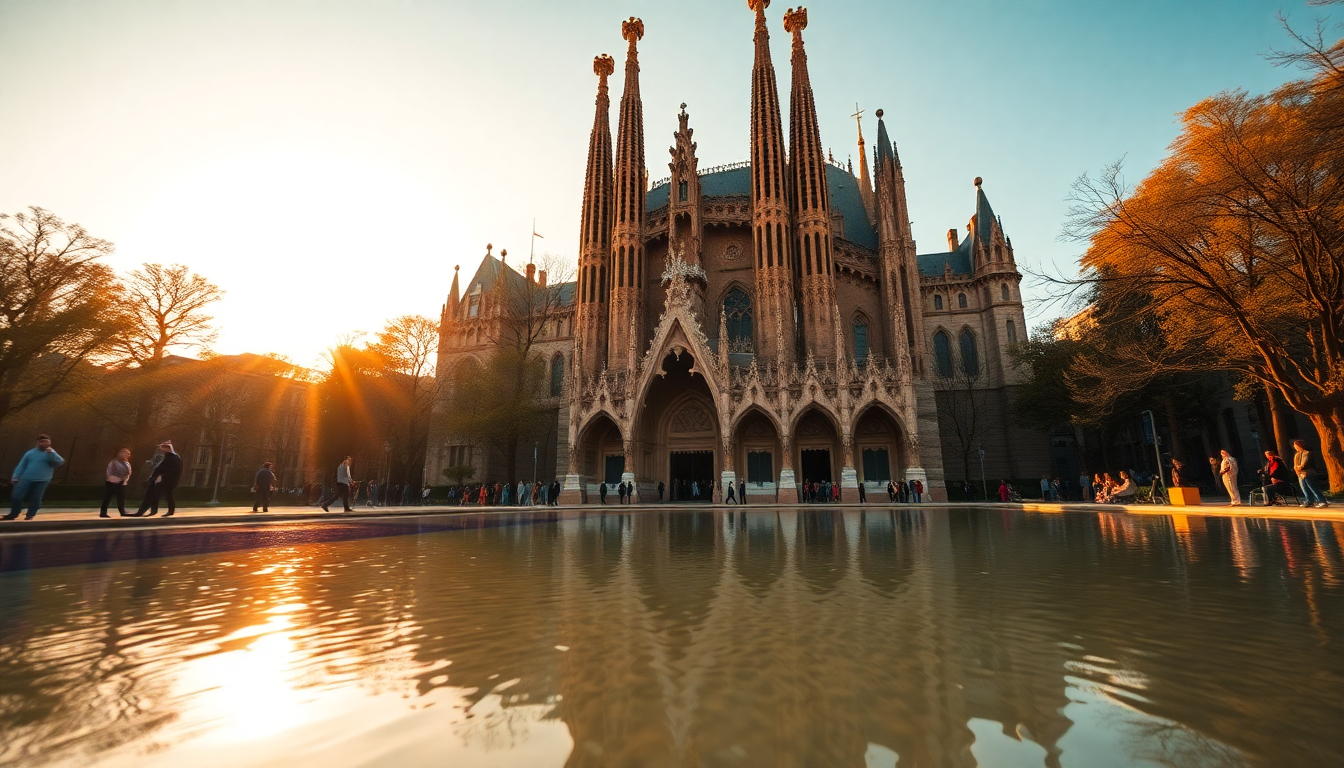
Thousands of travelers arrive at the Sagrada Família unprepared because of simple booking errors. The Basílica de la Sagrada Família—a Roman Catholic basilica designed by Catalan architect Antoni Gaudí—is Barcelona’s most visited monument and a major symbol of Catalan modernism. Yet even seasoned visitors overlook crucial details when securing tickets.
This guide walks you through the five most common mistakes and how to avoid them for a seamless visit. Book 15–20 minutes before your time slot, select tower or audioguide tickets upfront, and verify your booking channel—these three steps alone prevent 80% of visit failures.
Mistake 1: Waiting Until the Last Minute to Book Tickets
The Sagrada Família relies almost entirely on online tickets with fixed time slots. Walk-up purchase is minimal and unpredictable. Same-day bookings almost always fail in peak season.
Many travelers assume they can show up and buy at the door, especially in shoulder months. Popular dates—weekends, holidays, and all of June–August—sell out three to four weeks ahead. Advance booking through recognized channels ensures you secure entry for your preferred day and time, while waiting until the last minute leaves you with sold-out dates or missing the window you need.
Its UNESCO status drives year-round demand, which is why advance booking is non-negotiable. The combination of cultural significance, architectural innovation, and limited capacity means spontaneous visits rarely work.
Book tickets 3–4 weeks ahead for weekends and any date in June–August. March–May and September–October allow 2-week booking windows.
Mistake 2: Ignoring Time Slots and Arrival Windows
The Sagrada Família issues online tickets for fixed time slots. You must enter during your assigned window or you lose access. This system exists to manage capacity, but it catches many travelers off guard.
Security and bag screening take 10–15 minutes. Arrive right at your time slot and you’ll miss entry. Arrivals after your slot closes get no refund.
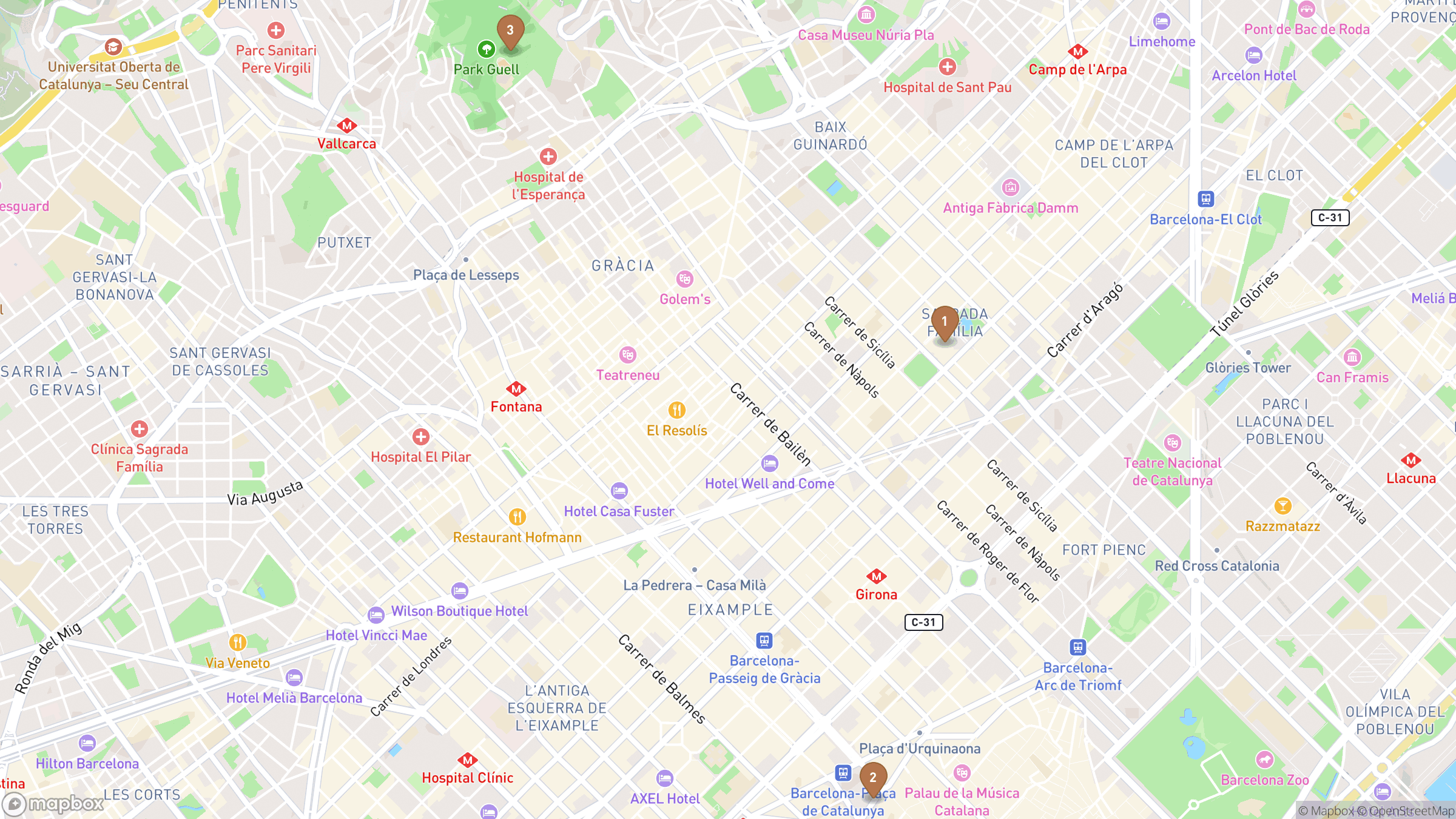
Arrive 15–20 minutes early. The Metro from the city center often runs slow on weekends, so give yourself a 25-minute buffer if coming from Plaça de Catalunya. This margin protects you from unexpected delays—crowded trains, slower-than-expected walks from the station, or getting turned around in an unfamiliar neighborhood. The small inconvenience of arriving early beats the stress of racing through Barcelona only to find the gates closed.
Independent travel guides such as Barcelona Hacks emphasize the importance of respecting access windows and building margin into your schedule, advice echoed by countless travelers who learned this the hard way.
Mistake 3: Assuming Tower Access Is Included in Every Ticket
Tower visits are a separate ticket category with much more limited capacity than general basilica entry. Standard admission does not include tower access—you must explicitly select a tower option during booking.
The Nativity tower gives you closer views of Gaudí’s original ornate carvings. The Passion tower is more austere and reaches slightly higher. Choose during purchase or you won’t get up either one.
Tower tickets sell out 3–4 weeks ahead on Saturdays and all July–August dates. Book them when you reserve general admission. Adding tower access the day of your visit is impossible once capacity is reached. If climbing one of the towers is a priority—and for many it’s the highlight—selecting the right ticket type upfront is the only way to guarantee entry.
Certain spaces such as the towers and some liturgical areas have restricted or timed access and may be closed during religious services, so double-check your booking confirmation.
Mistake 4: Choosing the Wrong Booking Channel
Confusion between authorized platforms and unofficial resellers leads to overpriced tickets or booking issues. The basilica’s own online system is the recommended channel. Yet travelers often land on third-party sites that advertise the Sagrada Família but don’t provide clear information about time slots or ticket types.
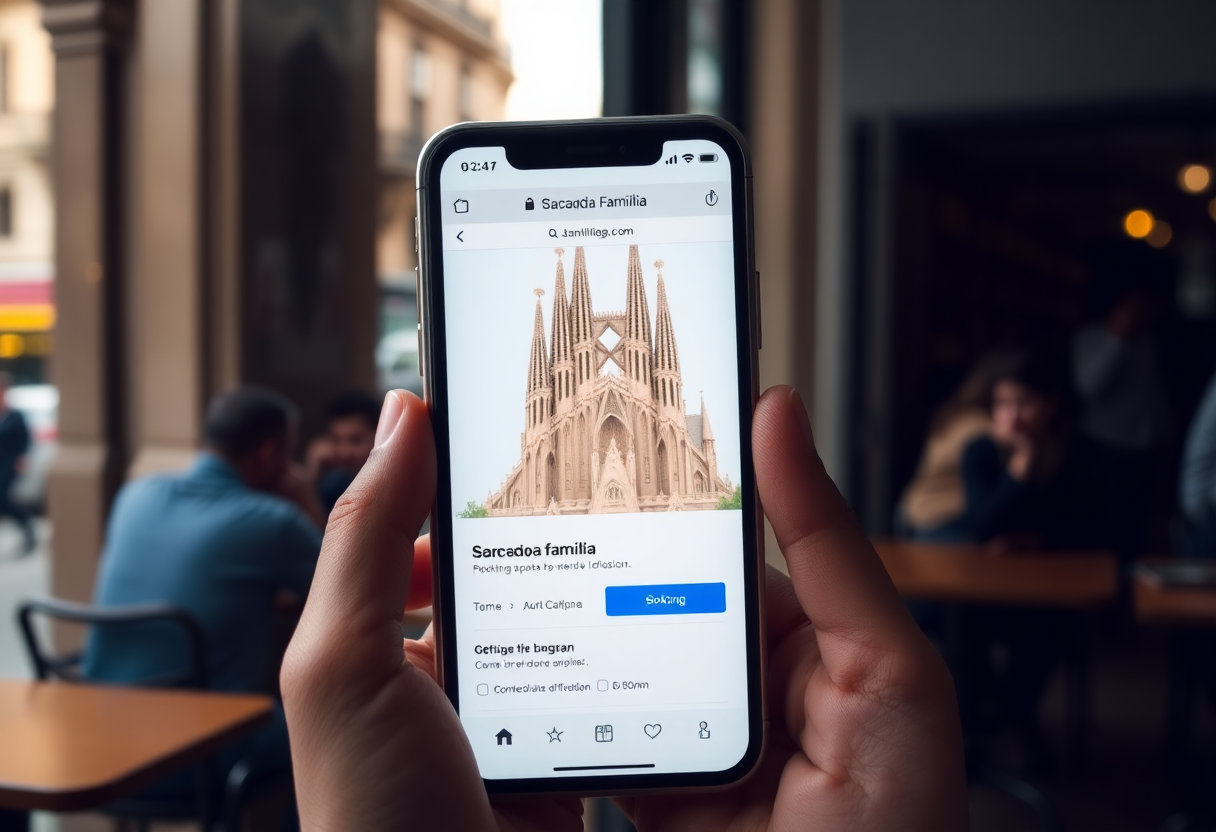
Some unofficial sellers add hidden fees or present ticket categories in misleading ways, leaving buyers with the wrong entry time or missing extras like audioguides. Reading reviews and checking domain authenticity helps avoid booking scams. If you encounter error messages or payment problems when trying to purchase through the recommended channel, the guidance is to try a different network, device, or email—and as a last resort, seek assistance from staff at the basilica.
If the official site lags, don’t jump to a reseller. You’ll pay 20–30% markup and lose refund rights. Verifying you are using recognized channels protects both your budget and your peace of mind. Community forums such as Rick Steves Travel Forum regularly discuss booking issues and provide real-world advice from travelers who’ve navigated these challenges.
For a full multi-day plan in Barcelona, see Barcelona in 3 days: beach, Gaudí, and tapas itinerary.
Mistake 5: Overlooking Audioguides and Additional Options
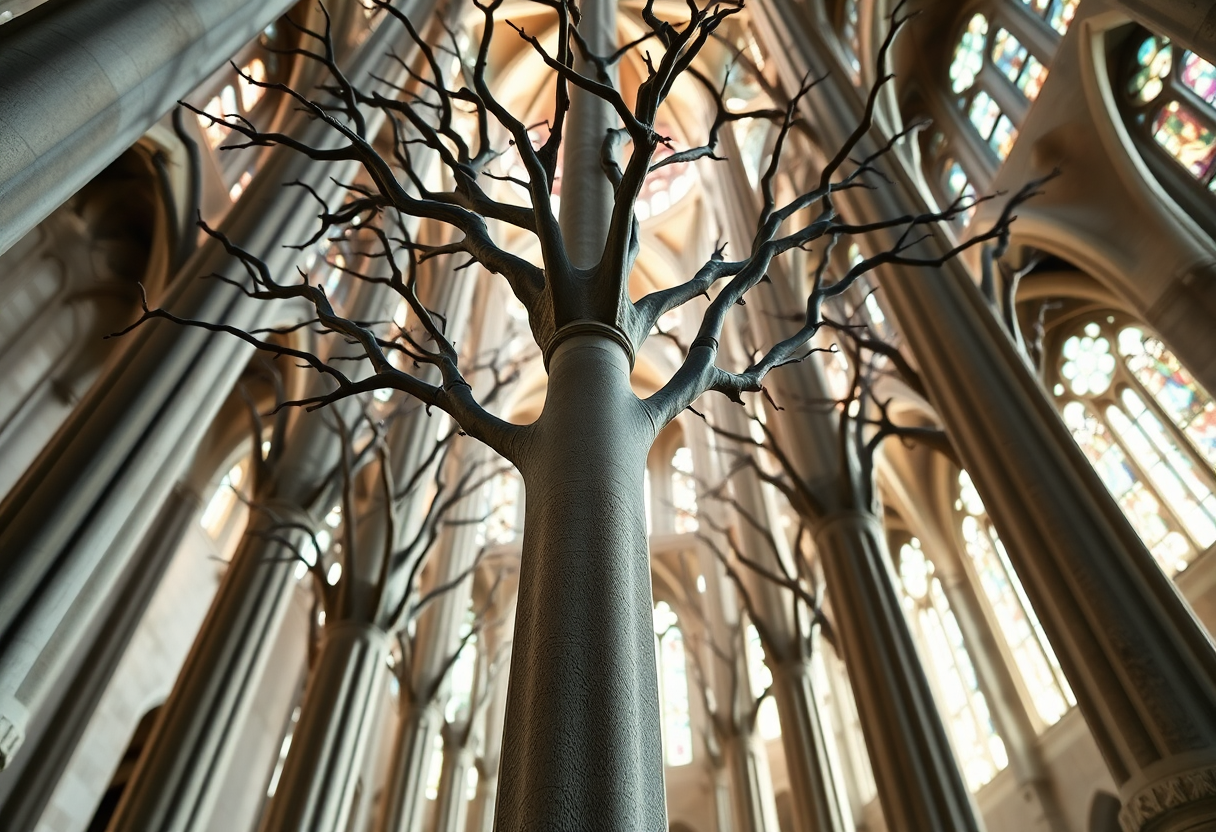
The basilica uses symbols most visitors miss without an audioguide. Gaudí embedded religious narratives in the stone and glass, which the audio explains. Without commentary, you’ll walk past intricate details—columns modeled on trees, stained glass organized by liturgical color schemes, façade carvings telling biblical stories—and have no idea what you’re looking at.
Only the higher-tier tickets include an audioguide. Budget tiers don’t. If you buy the cheaper ticket, you cannot add audio later. Guided tours and audioguide formats may be offered in multiple languages, so confirm your preference when booking to receive the version that works best for you.
Select museum add-ons and Park Güell bundles when you book your tickets. You cannot add them the day of. If your Barcelona itinerary includes visiting Park Güell or other modernist landmarks, bundled options streamline logistics and sometimes offer better value than purchasing separate tickets. Planning these details upfront—rather than hoping to sort them out on the day—gives you more flexibility and reduces the risk of missing out.
For practical transit detail in Barcelona, see Barcelona public transport explained: metro, FGC, and Tmb passes.
Understanding the Sagrada Família Visitor Experience
It’s still an active Catholic basilica, not just a museum. Cover your shoulders, keep quiet in prayer areas, and expect some zones to close during services.
The basilica bans large bags, selfie sticks, and loud phone calls. Dress respectfully—no tank tops or short shorts. Security controls protect the monument and worshippers, including bag checks and item restrictions, to maintain the site’s sacred character and ensure public safety.
Services happen daily; check the schedule before you visit so you’re not surprised by closed zones.
Construction of the Sagrada Família began in 1882, and Antoni Gaudí took over the project in 1883, devoting much of his life to designing the basilica. The Nativity Façade and Crypt, key parts of Gaudí’s original work, were recognized by UNESCO in 2005 as part of the World Heritage listing “Works of Antoni Gaudí.”
You can learn more about the World Heritage designation at the UNESCO World Heritage Centre.
How to Plan a Smooth Visit: Practical Checklist
Decide whether you want tower access or audioguides before completing your booking—adding them later is often impossible. Review current visitor FAQs and access rules to understand security procedures and prohibited items, so you arrive prepared.
Arrive fifteen to twenty minutes early to allow time for bag screening without stress. This margin protects you from small delays that can derail a tightly scheduled day, and it gives you a moment to orient yourself before stepping into the basilica. Double-check your booking confirmation for the correct time slot, ticket type, and any included extras before your visit day—catching errors at home is far easier than sorting them out at the entrance.
Arrive fifteen to twenty minutes early to allow time for bag screening without stress.
If you’re planning a broader tour of Catalan heritage, consider transport and access options for Montserrat as part of a multi-day itinerary. Coordinating these bookings upfront ensures smoother logistics across your entire trip.
The Sagrada Família rewards preparation. Its soaring columns, luminous windows, and intricate façades offer an experience that lives up to decades of anticipation—but only if you can actually get inside. By avoiding the five mistakes outlined here, you protect your visit from easily preventable problems that turn architectural wonder into logistical headache. Plan ahead, respect the system, and you’ll walk away with exactly the encounter Gaudí intended: awe, reflection, and a story worth retelling.